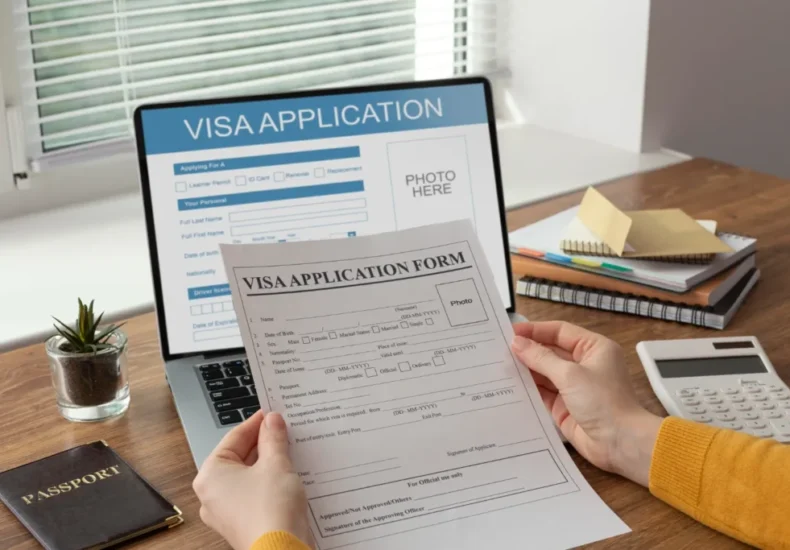
Singapore Permit Guide: Types, Requirements & Application
Singapore remains one of Asia’s most attractive destinations for professionals, entrepreneurs, investors, and skilled workers. However, anyone planning to work, operate a business, or stay in the country for an extended period must understand the permit requirements before making the move.
This Singapore Permit Guide explains the different permit categories available, eligibility requirements, application procedures, required documents, processing timelines, and common mistakes to avoid. Whether you are an employee seeking opportunities, an entrepreneur launching a company, or an employer hiring international talent, this guide will help you navigate the process with confidence.
By the end of this article, you will understand how Singapore’s permit system works and which permit best suits your goals.
Understanding Singapore Work Permit Types
One of the most important aspects of any Singapore Permit Guide is understanding the available permit categories. Singapore offers several permit options depending on an applicant’s qualifications, salary level, and purpose of stay.
Employment Pass (EP)
The Employment Pass is designed for professionals, managers, executives, and specialists.
Key features include:
- Suitable for highly skilled professionals
- Requires employer sponsorship
- Higher salary requirements
- Renewable upon approval
S Pass
The S Pass is intended for mid-skilled workers who meet specific qualification and salary requirements.
Benefits include:
- Suitable for technical professionals
- Employer-sponsored application
- Renewable status
- Opportunity for career progression
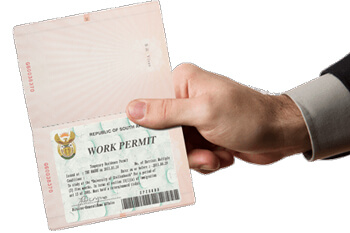
Work Permit
The Work Permit primarily serves semi-skilled workers in approved industries.
Common sectors include:
- Construction
- Manufacturing
- Marine
- Services
- Process industries
Understanding these categories is essential when following a Singapore Permit Guide because choosing the wrong permit may lead to delays or rejection.
Singapore Work Visa Requirements
Meeting eligibility requirements is crucial for approval. Most successful applicants prepare their documentation carefully before submission.
Basic Eligibility Criteria
Applicants generally need:
- A valid passport
- Relevant qualifications
- Supporting employment documents
- Good professional background
- Compliance with immigration rules
Employer Requirements
Employers must:
- Operate a registered business
- Provide genuine employment opportunities
- Follow local labor regulations
- Meet applicable workforce requirements
Qualification Standards
The required qualification level depends on the permit category.
For example:
- Employment Pass applicants usually require professional qualifications.
- S Pass candidates generally need technical credentials.
- Work Permit holders may qualify based on industry requirements.
A successful Singapore Permit Guide strategy starts with ensuring every eligibility condition is satisfied before submission.
How to Apply for a Singapore Permit
The application process may vary slightly between permit types, but the overall procedure remains similar.
Step 1: Determine the Correct Permit
Identify which permit category matches your:
- Skills
- Salary level
- Job role
- Business objectives
Step 2: Prepare Required Documents
Common documents include:
- Passport copy
- Educational certificates
- Employment contract
- Resume or CV
- Supporting business documents
Step 3: Submit the Application
Most applications are submitted through authorized government systems or approved representatives.
Step 4: Wait for Processing
Authorities review:
- Applicant qualifications
- Employer compliance
- Supporting documents
- Regulatory requirements
Step 5: Receive Approval
Successful applicants receive approval documentation and instructions for completing final formalities.
Following this Singapore Permit Guide process carefully can significantly improve approval chances.
Required Documents for Permit Approval
Document preparation is one of the most important factors affecting application outcomes.
Personal Documents
Applicants typically need:
- Passport information page
- Passport photographs
- Educational certificates
- Professional licenses
- Employment records
Employment Documents
Employers may provide:
- Job offer letter
- Employment agreement
- Company registration details
- Supporting declarations
Business Documents
Entrepreneurs and company owners may need:
- Business plans
- Incorporation records
- Financial information
- Investment evidence
Submitting complete and accurate documentation helps avoid unnecessary delays and strengthens the application. This recommendation appears consistently across leading resources reviewed for this Singapore Permit Guide.
Processing Time and Approval Expectations
Processing timelines vary depending on permit type, application complexity, and verification requirements.
Typical Processing Periods
Applications may take:
- Several business days for straightforward cases
- Several weeks for detailed reviews
- Longer periods when additional documents are requested
Factors Affecting Processing
Common factors include:
- Document accuracy
- Qualification verification
- Employer compliance history
- Industry-specific requirements
How to Avoid Delays
Consider these best practices:
- Submit complete information
- Verify document accuracy
- Respond quickly to requests
- Follow official guidelines
A well-prepared application generally experiences fewer complications throughout the review process.
Common Reasons for Permit Rejection
Even qualified applicants sometimes face rejection due to avoidable mistakes.
Incomplete Documentation
Missing documents remain one of the most common issues.
Incorrect Information
Any inconsistency between submitted documents can trigger additional review.
Insufficient Qualifications
Applicants must meet the standards associated with their chosen permit category.
Employer Compliance Issues
Authorities also evaluate employer eligibility and regulatory compliance.
Weak Application Preparation
Poorly prepared applications often result in unnecessary complications.
To improve success rates, applicants should review every requirement carefully before submission. A strong Singapore Permit Guide always emphasizes preparation over speed.
Tips for a Successful Singapore Permit Application
A strategic approach can improve your likelihood of approval.
Research Before Applying
Understand:
- Permit categories
- Eligibility rules
- Documentation requirements
- Processing timelines
Organize Documents Early
Maintain digital and physical copies of all records.
Verify Information Carefully
Double-check:
- Names
- Passport details
- Dates
- Employment information
Follow Official Guidelines
Always rely on current government requirements rather than outdated information.
Seek Professional Assistance When Needed
Complex cases may benefit from guidance from qualified immigration or corporate service professionals.
These practices help applicants navigate the process more efficiently while reducing common errors.
Singapore Permit Guide for Entrepreneurs and Foreign Business Owners
Singapore remains a preferred destination for international entrepreneurs due to its stable economy, business-friendly regulations, and global connectivity.
Foreign entrepreneurs should evaluate available permit options before launching operations.
Key considerations include:
- Business structure selection
- Registration requirements
- Local compliance obligations
- Banking arrangements
- Tax responsibilities
Benefits of establishing a presence in Singapore include:
- Strong legal framework
- Global market access
- Investor confidence
- Efficient business environment
For startup founders, following a reliable Singapore Permit Guide helps ensure both business and immigration requirements are properly addressed.
Frequently Asked Questions
1. What is the purpose of a Singapore Permit Guide?
A Singapore Permit Guide helps applicants understand permit types, eligibility criteria, required documents, and application procedures.
2. Which permit is suitable for professionals?
Most professionals apply for an Employment Pass, provided they meet the qualification and salary requirements.
3. How long does permit approval take?
Processing times vary depending on permit type, application complexity, and document verification requirements.
4. Can entrepreneurs apply for permits in Singapore?
Yes. Entrepreneurs and business owners may qualify for specific permit categories depending on their business activities and eligibility.
5. What documents are commonly required?
Typical requirements include a passport, educational certificates, employment records, and supporting employer documentation.
Conclusion
Understanding Singapore’s permit system is essential for professionals, entrepreneurs, and employers seeking opportunities in one of Asia’s leading business destinations. From selecting the correct permit category to preparing documentation and completing the application process, every step plays an important role in achieving a successful outcome.
This Singapore Permit Guide has covered the key permit types, eligibility requirements, document preparation, processing expectations, and practical tips for approval. By following the guidance outlined above, applicants can approach the process with greater confidence and reduce the risk of delays or rejection.
As regulations and requirements may change over time, always verify the latest information through official sources before submitting an application. Use this Singapore Permit Guide as your starting point and take the next step toward your career, business, or investment goals in Singapore.
Start preparing your application today and move forward with confidence.
You may also like


Leave a Reply