
PDPA Compliance Singapore: Complete Business Guide
PDPA Compliance Singapore has become an essential requirement for organizations that collect, use, or disclose personal data. As digital transformation accelerates, businesses must handle customer information responsibly while meeting legal obligations under Singapore’s Personal Data Protection Act (PDPA).
Whether you operate a startup, SME, or large enterprise, understanding data protection requirements is critical. Non-compliance can lead to financial penalties, reputational damage, and loss of customer trust.
This guide explains the key principles of the PDPA, compliance requirements, implementation strategies, common challenges, and practical steps businesses can take to strengthen their data protection framework. By the end, you will have a clear understanding of how to achieve and maintain compliance while supporting business growth.
What Is the Personal Data Protection Act (PDPA)?
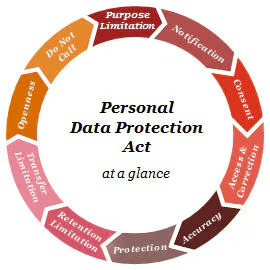
The Personal Data Protection Act is Singapore’s primary data protection law. It governs how organizations collect, use, disclose, store, and manage personal information.
Personal data refers to information that can identify an individual, either directly or indirectly. Examples include:
- Full names
- Email addresses
- Phone numbers
- Identification numbers
- Residential addresses
- Employment information
The law aims to balance two important objectives:
- Protecting individual privacy rights
- Supporting legitimate business activities
Organizations must establish policies and procedures to ensure personal information remains secure throughout its lifecycle.
Key Objectives of the PDPA
The legislation focuses on:
- Transparency in data collection
- Responsible data usage
- Proper consent management
- Data security protection
- Accountability measures
Businesses that understand these principles can build stronger customer relationships while reducing regulatory risks.
Key Requirements for Data Protection Compliance
Data protection compliance involves more than simply obtaining customer consent. Organizations must implement comprehensive measures covering the entire data management process.
Obtain Valid Consent
Before collecting personal information, organizations generally need consent from individuals.
Consent should be:
- Clear
- Voluntary
- Informed
- Properly documented
Businesses should avoid using misleading language or hidden consent mechanisms.
Notify Individuals
Organizations must explain:
- Why data is collected
- How it will be used
- Who may receive the information
Clear privacy notices improve transparency and strengthen trust.
Limit Data Collection
Companies should collect only information necessary for legitimate business purposes.
Excessive data collection increases compliance risks and security exposure.
Ensure Data Accuracy
Organizations should maintain accurate and up-to-date records.
Accurate information supports better business decisions while minimizing compliance issues.
Building an Effective Data Protection Framework
A structured framework helps organizations maintain consistent compliance practices.
Appoint a Data Protection Officer
Every organization should designate a Data Protection Officer (DPO).
The DPO is responsible for:
- Managing compliance initiatives
- Monitoring policies
- Handling customer requests
- Coordinating internal training
This role is fundamental to successful PDPA Compliance Singapore programs.
Create Internal Policies
Documented policies establish clear standards for employees.
Key policies should address:
- Data collection procedures
- Access controls
- Data retention practices
- Incident response plans
- Vendor management
Well-documented procedures reduce operational risks and improve consistency.
Conduct Staff Training
Employees often handle personal information daily.
Training should cover:
- Privacy obligations
- Security responsibilities
- Reporting procedures
- Data handling best practices
Regular awareness programs help prevent accidental violations.
Data Security Measures Every Business Should Implement
Strong security controls are essential for protecting personal information.
Organizations should adopt technical and administrative safeguards that match the sensitivity of the data they process.
Technical Security Controls
Recommended measures include:
- Multi-factor authentication
- Data encryption
- Secure backups
- Endpoint protection
- Access monitoring
These controls reduce the risk of unauthorized access and cyberattacks.
Administrative Controls
Businesses should also establish:
- Employee confidentiality agreements
- Access management procedures
- Vendor assessments
- Security audits
- Incident response protocols
Combining technical and administrative safeguards creates a stronger defense against data breaches.
Data Retention and Disposal
Organizations should not retain personal information longer than necessary.
Best practices include:
- Defining retention schedules
- Reviewing stored records regularly
- Securely deleting outdated information
- Maintaining disposal documentation
Proper disposal minimizes unnecessary compliance risks.
Common PDPA Compliance Challenges
Many organizations face obstacles when implementing compliance programs.
Understanding these challenges helps businesses prepare effective solutions.
Managing Consent Across Multiple Channels
Businesses often collect information through:
- Websites
- Mobile applications
- Social media platforms
- Physical forms
Maintaining consistent consent records across channels can be difficult.
Centralized systems improve visibility and compliance management.
Third-Party Vendor Risks
Many companies share information with external providers.
Examples include:
- Cloud service providers
- Marketing agencies
- Payroll providers
- Customer support vendors
Organizations remain responsible for ensuring vendors protect personal data appropriately.
Evolving Regulatory Expectations
Data protection requirements continue to evolve.
Regular reviews help organizations stay aligned with current expectations and industry standards.
Steps to Achieve PDPA Compliance Singapore
A structured implementation approach improves efficiency and reduces compliance gaps.
Step 1: Conduct a Data Inventory
Identify:
- What information is collected
- Where it is stored
- Who accesses it
- How it is used
A data inventory provides visibility into organizational data flows.
Step 2: Perform a Risk Assessment
Evaluate potential risks associated with:
- Data processing activities
- Third-party relationships
- Security vulnerabilities
Risk assessments help prioritize improvement efforts.
Step 3: Update Privacy Policies
Ensure privacy notices clearly explain:
- Collection purposes
- Usage practices
- Disclosure arrangements
- Contact information
Transparency is a core compliance requirement.
Step 4: Implement Security Controls
Deploy appropriate safeguards based on:
- Data sensitivity
- Business operations
- Industry risks
Security investments support both compliance and customer confidence.
Step 5: Monitor and Review
Compliance is an ongoing process.
Organizations should:
- Conduct audits
- Review policies
- Update training programs
- Monitor regulatory developments
Continuous improvement strengthens long-term compliance performance.
Benefits of Strong Data Protection Practices
Beyond regulatory requirements, effective compliance delivers significant business advantages.
Key Benefits:
- Improves customer trust
- Reduces legal risks
- Enhances brand reputation
- Supports business growth
- Strengthens cybersecurity resilience
- Improves operational efficiency
- Demonstrates corporate responsibility
Organizations that prioritize privacy often gain a competitive advantage in increasingly data-driven markets.
Frequently Asked Questions
1. What is PDPA Compliance Singapore?
PDPA Compliance Singapore refers to meeting the legal requirements established under Singapore’s Personal Data Protection Act for collecting, using, storing, and disclosing personal information.
2. Is PDPA compliance mandatory for all businesses?
Yes. Most organizations that handle personal data in Singapore must comply with the PDPA regardless of size or industry.
3. Does every company need a Data Protection Officer?
Organizations are generally expected to designate a Data Protection Officer responsible for overseeing privacy and compliance activities.
4. What happens if a business violates PDPA requirements?
Non-compliance may result in regulatory investigations, financial penalties, corrective actions, and reputational damage.
5. How often should businesses review their compliance program?
Organizations should review their compliance framework regularly, especially after significant operational, technological, or regulatory changes.
Conclusion
PDPA Compliance Singapore is no longer optional for organizations handling personal information. As businesses collect increasing amounts of customer data, maintaining strong privacy and security practices becomes essential.
Successful compliance requires a combination of clear policies, employee awareness, security safeguards, responsible data management, and ongoing monitoring. Organizations that invest in these areas not only reduce regulatory risks but also build stronger customer relationships and improve operational resilience.
Rather than viewing compliance as a legal obligation alone, businesses should treat it as a strategic advantage. A well-designed privacy framework enhances trust, supports sustainable growth, and strengthens corporate credibility.
Start implementing these data protection strategies today to improve compliance, protect customer information, and support long-term business success.
You may also like



Leave a Reply