
SFA License Singapore: Complete Guide for Food Businesses
Starting a food-related business in Singapore involves more than finding a good location and creating a strong business plan. Before serving customers or distributing food products, businesses must comply with regulations established by the Singapore Food Agency (SFA).
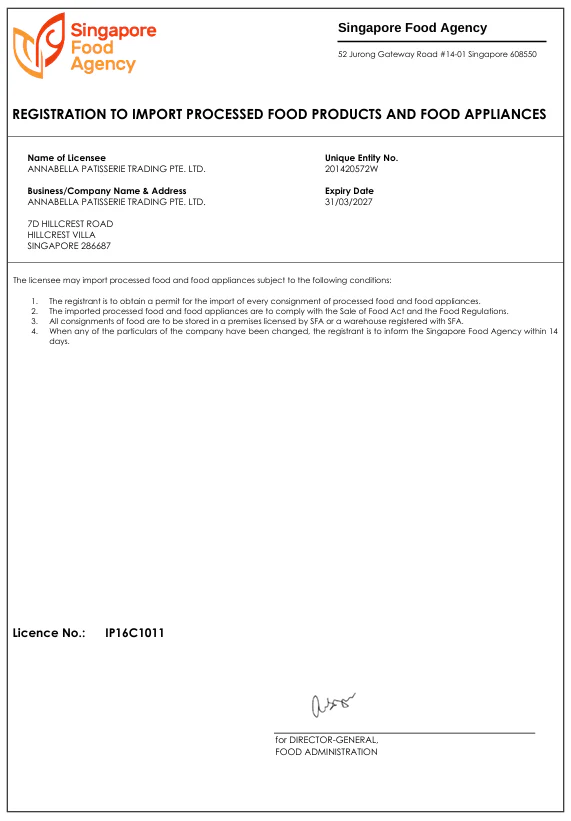
An SFA License Singapore is a legal requirement for many food establishments, including restaurants, cafés, food manufacturers, caterers, and food storage facilities. The licensing framework helps ensure food safety, hygiene standards, and consumer protection across the country.
This guide explains everything business owners need to know about obtaining an SFA License Singapore. You will learn about licence types, eligibility requirements, application procedures, compliance obligations, costs, and common mistakes to avoid. Whether you are launching a new venture or expanding an existing operation, understanding the licensing process can help you stay compliant and avoid unnecessary delays.
What Is an SFA License Singapore?
An SFA License Singapore refers to the licence or permit issued by the Singapore Food Agency that allows businesses to legally operate certain food-related activities.
The primary goal of licensing is to ensure:
- Food safety for consumers
- Proper hygiene practices
- Regulatory compliance
- Traceability of food products
- Effective food recall procedures
Businesses operating without the required licence may face penalties, enforcement action, or closure.
Depending on your business activity, you may require different licences. Therefore, identifying the correct licence category is the first step in the application process.
Why Is Licensing Important?
Licensing provides assurance that a business:
- Meets food safety standards
- Has suitable operational facilities
- Employs trained food handlers
- Maintains proper sanitation practices
- Complies with Singapore food regulations
For customers, it creates confidence in the quality and safety of food products being sold.
Types of Food Business Licences in Singapore
Different food businesses require different approvals. Understanding these categories helps determine the correct SFA License Singapore for your operation.
Food Shop Licence
A Food Shop Licence is required for businesses that sell food or beverages directly to consumers.
Examples include:
- Restaurants
- Cafés
- Food courts
- Takeaway outlets
- Bakeries
- Food kiosks
This is one of the most common licences for retail food operators.
Food Processing Establishment Licence
Businesses involved in manufacturing, preparing, processing, or packaging food products require this licence.
Examples include:
- Central kitchens
- Food factories
- Beverage manufacturers
- Bakery production facilities
- Food packaging operations
Catering Licence
Companies that prepare and deliver food for events, corporate functions, and gatherings generally require a catering licence.
These businesses must comply with additional food transport and handling requirements.
Cold Store Licence
Businesses storing meat and seafood products for wholesale distribution may require a cold store licence.
The licence ensures proper temperature control and storage practices.
Food Business Registration Requirements
Before applying for an SFA License Singapore, businesses should complete several preliminary requirements.
Register Your Company
The first step involves establishing a legal business entity in Singapore.
Common structures include:
- Private Limited Company
- Sole Proprietorship
- Partnership
- Limited Liability Partnership
Many food entrepreneurs choose a Private Limited Company due to its credibility and scalability.
Secure Suitable Premises
Your business premises must comply with zoning and usage requirements.
Factors to consider include:
- Approved business use
- Ventilation systems
- Waste disposal facilities
- Food preparation areas
- Water supply access
Choosing a compliant location can significantly reduce licensing delays.
Train Food Handlers
Food safety training is essential.
Food handlers may be required to complete approved food safety courses before operations begin.
Proper training helps reduce contamination risks and supports regulatory compliance.
SFA License Singapore Application Process
Understanding the application process can make approval smoother and faster.
Step 1: Determine the Correct Licence
Identify the exact activities your business will conduct.
For example:
- Retail food sales
- Food manufacturing
- Catering services
- Food storage
Applying for the wrong licence can delay approval.
Step 2: Prepare Supporting Documents
Typical documents include:
- Company registration details
- Floor plans
- Tenancy agreement
- Identification documents
- Operational information
- Food safety certifications
Preparing documents early prevents unnecessary setbacks.
Step 3: Submit the Application
Applications are generally submitted through Singapore’s business licensing platform.
Ensure all information is accurate and complete before submission.
Step 4: Inspection and Assessment
Certain businesses may undergo inspections before approval.
Inspectors typically review:
- Hygiene standards
- Equipment setup
- Food preparation areas
- Waste management systems
- Safety procedures
Step 5: Licence Issuance
Once requirements are met, the SFA License Singapore is issued.
Businesses can then legally commence operations according to licence conditions.
Food Safety Compliance and Operational Standards
Obtaining a licence is only the beginning. Businesses must maintain ongoing compliance.
Hygiene Requirements
Food establishments should maintain:
- Clean preparation areas
- Sanitized equipment
- Pest control programs
- Safe food storage practices
Regular cleaning schedules help maintain compliance.
Employee Training
Staff members should understand:
- Personal hygiene standards
- Food handling procedures
- Cross-contamination prevention
- Temperature control practices
Continuous training improves operational consistency.
Record Keeping
Maintaining proper records is important.
Examples include:
- Supplier records
- Cleaning logs
- Temperature records
- Food safety documentation
Good documentation supports inspections and audits.
Food Traceability
Traceability allows businesses to identify product sources and respond quickly during food recalls.
Effective tracking systems improve food safety management and regulatory compliance.
Common Reasons for Licence Delays or Rejections
Many businesses experience delays because of preventable mistakes.
Incomplete Documentation
Missing documents remain one of the most common causes of application delays.
Always verify submission requirements before applying.
Non-Compliant Premises
Premises that fail to meet regulatory standards may require modifications before approval.
Conducting a pre-inspection review can help identify issues early.
Incorrect Licence Selection
Applying under the wrong licence category often leads to processing delays.
Review your business activities carefully before submitting an application.
Poor Food Safety Planning
Businesses without proper hygiene procedures may encounter compliance issues.
Developing clear food safety protocols can improve approval outcomes.
Licence Renewal and Ongoing Responsibilities
An SFA License Singapore requires ongoing attention even after approval.
Monitor Expiry Dates
Business owners should track licence validity periods and begin renewal procedures early.
Late renewals can disrupt operations.
Maintain Compliance Standards
Businesses must continue meeting:
- Hygiene requirements
- Operational standards
- Food safety regulations
- Employee training obligations
Compliance is an ongoing responsibility.
Prepare for Inspections
Regulatory inspections may occur periodically.
Keeping facilities inspection-ready at all times helps avoid penalties and corrective actions.
Tips for a Smooth Licensing Process
The following practices can improve your experience when applying for an SFA License Singapore:
- Register your business early
- Select compliant premises
- Prepare documents in advance
- Train employees before opening
- Review regulatory requirements carefully
- Conduct internal compliance checks
- Seek professional guidance when necessary
These proactive measures can save both time and money.
Frequently Asked Questions
1. Who needs an SFA License Singapore?
Businesses involved in food retail, food manufacturing, catering, processing, or certain food storage activities generally require an SFA License Singapore before operating legally.
2. How long does it take to obtain an SFA licence?
Processing times vary depending on licence type, document completeness, inspections, and business readiness.
3. Can foreigners apply for an SFA License Singapore?
Yes. Foreign entrepreneurs can apply through a registered Singapore business entity, subject to meeting all licensing requirements.
4. What happens if I operate without a licence?
Operating without the required SFA License Singapore may result in fines, enforcement action, suspension, or closure of the business.
5. Do online food businesses need an SFA licence?
The answer depends on the nature of the operation. Businesses involved in food preparation or processing may require licensing, while some activities may have different requirements.
Conclusion
Obtaining an SFA License Singapore is a critical step for anyone entering Singapore’s food industry. The licensing framework helps maintain high food safety standards while protecting both businesses and consumers.
Whether you plan to open a restaurant, launch a food manufacturing facility, operate a catering company, or establish a storage operation, understanding licensing requirements can help you avoid costly mistakes and compliance issues.
By choosing the correct licence, preparing complete documentation, implementing strong food safety procedures, and maintaining ongoing compliance, businesses can build a solid foundation for long-term success.
If you are planning to start a food-related venture, begin researching your SFA License Singapore requirements early and ensure your business is fully prepared before launch.
You may also like


Leave a Reply