
Import License Singapore: Complete Guide for Businesses
Singapore is one of the world’s leading trading hubs. Thousands of businesses import goods into the country every year because of its strategic location, efficient logistics infrastructure, and business-friendly regulations. However, many entrepreneurs are unsure about the permits and approvals required before importing products.
Understanding the Import License Singapore process is essential for avoiding delays, penalties, and compliance issues. While not every imported product requires a specific import licence, many regulated goods need permits from relevant government agencies.
This guide explains the requirements, registration process, permit applications, compliance obligations, costs, and best practices for importers. Whether you are launching a startup or expanding an established company, this article will help you navigate Singapore’s import regulations with confidence.
What Is an Import License Singapore?
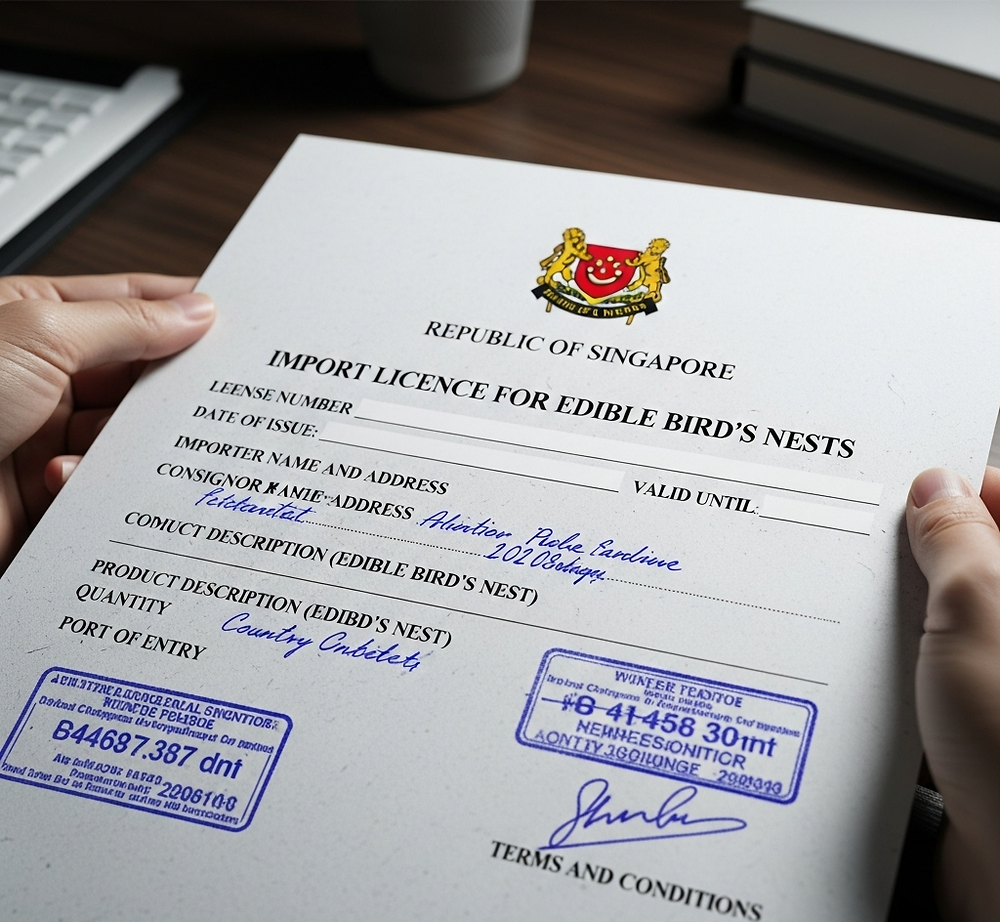
An Import License Singapore refers to the permits, approvals, or authorizations required to bring certain goods into Singapore legally.
Many first-time importers assume a single import licence applies to all products. In reality, Singapore uses a permit-based system. Businesses must determine whether their products fall under regulated or non-regulated categories.
Examples of regulated goods include:
- Food and beverages
- Medical devices
- Pharmaceuticals
- Telecommunications equipment
- Animals and animal products
- Chemicals and hazardous substances
- Controlled goods
For non-regulated products, businesses generally need customs permits rather than a separate industry-specific licence.
The purpose of import regulations is to:
- Protect public health and safety
- Ensure product quality standards
- Prevent prohibited imports
- Support trade compliance
- Facilitate customs clearance
Understanding these requirements helps businesses avoid shipment delays and unnecessary costs.
Business Registration Requirements Before Importing
Before applying for permits, companies must establish a legal business presence in Singapore.
Registering Your Business Entity
Importers typically operate through:
- Private Limited Companies
- Sole Proprietorships
- Partnerships
- Limited Liability Partnerships
Most international entrepreneurs prefer a Private Limited Company because it offers greater credibility and liability protection.
Obtaining a UEN
Every registered business receives a Unique Entity Number (UEN).
The UEN serves as the company’s identification number when dealing with government agencies and customs authorities.
Activating Customs Account
After registration, businesses must activate their customs account.
This activation enables companies to submit permit applications electronically and participate in import-export activities.
Without these foundational requirements, obtaining an Import License Singapore approval becomes difficult or impossible.
Customs Registration and TradeNet System
Singapore’s trade ecosystem relies heavily on digital processing.
The primary platform used for permit submissions is TradeNet.
What Is TradeNet?
TradeNet is Singapore’s electronic trade documentation platform.
Businesses use it to:
- Submit permit applications
- Process customs declarations
- Manage import documentation
- Facilitate cargo clearance
- Coordinate agency approvals
Steps to Access TradeNet
To use the platform effectively:
- Register your company.
- Obtain a UEN.
- Activate customs account access.
- Appoint a declaring agent if necessary.
- Submit permit applications electronically.
The digital process significantly reduces paperwork and processing time.
For many businesses, understanding TradeNet is one of the most important aspects of the Import License Singapore process.
Regulated Goods That Require Additional Import Permits
Not all imported products face the same regulatory requirements.
Several categories require approvals from specific agencies.
Food and Agricultural Products
Food imports often require approvals from relevant food safety authorities.
Examples include:
- Processed foods
- Fresh produce
- Meat products
- Seafood
- Dairy products
Importers must comply with food safety standards and labeling regulations.
Medical Products and Healthcare Items
Healthcare-related imports frequently require permits.
Examples include:
- Medical devices
- Pharmaceuticals
- Health supplements
- Diagnostic equipment
Businesses should verify classification requirements before importing.
Telecommunications Equipment
Certain communication devices require approval before importation.
Examples include:
- Wireless equipment
- Radio communication devices
- Network hardware
Testing and certification requirements may also apply.
Hazardous Chemicals
Chemical imports often involve additional regulatory oversight.
Businesses must review storage, transportation, and safety obligations carefully before shipment.
Documents Required for Import Applications
Accurate documentation is essential for successful permit approval.
Missing information can delay customs clearance and increase costs.
Common documents include:
- Company registration details
- UEN information
- Commercial invoice
- Packing list
- Bill of lading
- Air waybill
- Product certificates
- Regulatory approvals
- Product specifications
Additional documentation may be required depending on product classification.
Best Documentation Practices
Businesses should:
- Maintain digital records
- Verify supplier information
- Ensure invoice accuracy
- Update permits regularly
- Archive customs declarations
Strong documentation practices support long-term compliance and audit readiness.
Import Compliance and Customs Responsibilities
Obtaining permits is only one part of the importing process.
Businesses must also meet ongoing compliance obligations.
Accurate Product Classification
Every imported item must be classified correctly.
Incorrect classification can result in:
- Permit rejection
- Delayed clearance
- Additional inspections
- Financial penalties
Customs Duties and Taxes
Some products attract customs duties.
In addition, businesses should understand applicable tax obligations before importing goods.
Proper planning helps prevent unexpected expenses.
Record-Keeping Requirements
Importers should retain documentation for future reference and audits.
Key records include:
- Import permits
- Invoices
- Shipping documents
- Payment records
- Product certificates
Good record management improves operational efficiency and regulatory compliance.
The Import License Singapore framework works most effectively when businesses adopt a proactive compliance strategy.
Common Challenges Faced by Importers
Many businesses encounter avoidable issues during the import process.
Understanding these challenges can help reduce risks.
Incorrect Permit Selection
One of the most common mistakes involves applying for the wrong permit.
Product classification errors frequently cause delays.
Incomplete Documentation
Missing certificates or inaccurate invoices can slow approval timelines.
Businesses should review documentation thoroughly before submission.
Regulatory Changes
Import regulations may evolve over time.
Companies should monitor updates from relevant authorities and industry regulators.
Supplier Compliance Issues
Overseas suppliers sometimes provide incomplete product information.
Importers remain responsible for ensuring regulatory compliance.
How to Avoid Problems
Consider the following practices:
- Conduct product classification reviews
- Verify supplier credentials
- Maintain compliance checklists
- Use professional trade consultants when necessary
- Monitor regulatory announcements regularly
These measures reduce risk and support smoother import operations.
Benefits of Understanding Import Regulations Early
Businesses that understand import requirements before shipment enjoy several advantages.
Faster Customs Clearance
Accurate permit applications help reduce processing delays.
Lower Compliance Risks
Proper planning minimizes the likelihood of regulatory violations.
Improved Business Reputation
Reliable compliance strengthens relationships with customers, suppliers, and government agencies.
Better Cost Management
Businesses can forecast permit fees, taxes, and logistics expenses more accurately.
Key Benefits:
- Faster shipment processing
- Reduced regulatory risks
- Stronger operational efficiency
- Better financial planning
- Improved customer satisfaction
Investing time in understanding the Import License Singapore process can create long-term operational advantages.
Frequently Asked Questions
1. Does every business need an Import License Singapore?
No. Many products only require customs permits. However, regulated goods may need additional approvals from specific government agencies.
2. Can foreigners apply for an Import License Singapore?
Yes. Foreign entrepreneurs can import goods through a registered Singapore business entity that meets applicable regulatory requirements.
3. How long does permit approval take?
Processing times vary depending on product type, documentation quality, and regulatory requirements.
4. What happens if goods are imported without the required permits?
Businesses may face shipment delays, fines, penalties, confiscation of goods, or additional inspections.
5. Is TradeNet required for import permit applications?
Yes. TradeNet is the primary electronic platform used for customs declarations and permit submissions in Singapore.
Conclusion
Singapore remains one of the most attractive destinations for international trade. Its efficient logistics network, transparent regulations, and digital customs infrastructure make importing relatively straightforward when businesses understand the rules.
The Import License Singapore process involves more than simply obtaining a permit. Companies must establish a registered business, activate customs access, understand product classifications, prepare accurate documentation, and comply with ongoing regulatory obligations.
By taking a proactive approach, businesses can avoid delays, reduce compliance risks, and improve supply chain efficiency. Whether you are importing consumer goods, food products, medical equipment, or industrial supplies, understanding the Import License Singapore requirements will help support successful trade operations.
Start reviewing your import requirements today and ensure your business remains compliant, efficient, and prepared for long-term growth.
You may also like


Leave a Reply