F&B License Singapore: Requirements & Application Guide
If you plan to open a café, restaurant, hawker stall, bakery, or catering company, obtaining the correct F&B License Singapore is one of the first legal steps. Singapore maintains strict food safety standards, and businesses must meet licensing and hygiene requirements before they can start serving customers.
This guide explains the different licenses you may need, eligibility criteria, application steps, costs, and compliance obligations. You will also learn how long the process takes and common mistakes that can delay approval. Whether you are a local entrepreneur or a foreign investor, understanding the licensing framework will help you launch your food business more smoothly.
What Is an F&B License in Singapore?
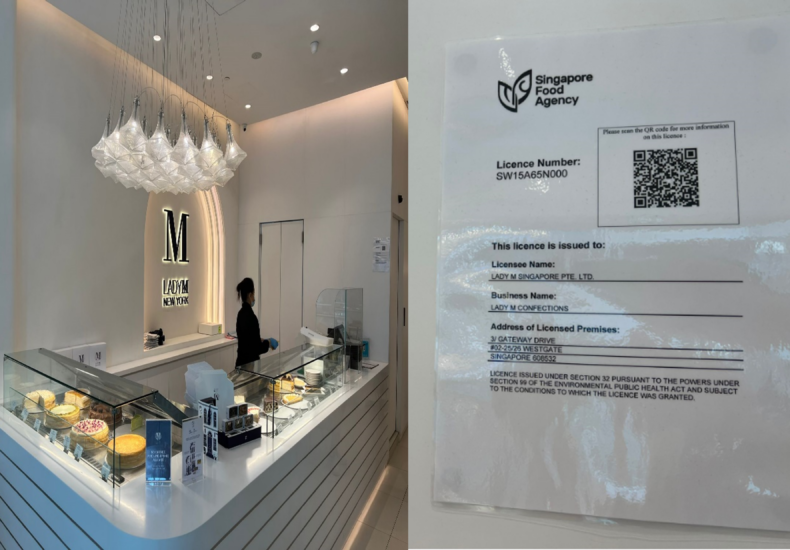
An F&B License Singapore allows a business to prepare, handle, and sell food or beverages legally in Singapore. The primary authority responsible for food licensing is the Singapore Food Agency (SFA).
Most food establishments require a Food Shop License. Depending on your operations, additional permits may also be necessary.
Common business types that need licensing
- Restaurants
- Cafés
- Hawker stalls
- Food courts
- Bakery shops
- Catering services
- Central kitchens
- Food processing facilities
Operating without the required license can result in fines, enforcement actions, and business closure. Therefore, securing the appropriate F&B License Singapore should be treated as a critical part of your business setup process.
Types of Food Business Licenses
The exact license depends on the nature of your food operations. Below are the most common categories.
Food Shop License
Required for establishments that prepare and sell food directly to consumers, including restaurants, cafés, and takeaway outlets.
Catering License
Necessary if your business prepares food for events, offices, or other off-site locations.
Food Processing Establishment License
Applies to businesses involved in manufacturing, processing, or packaging food products.
Liquor License
Required separately if you intend to sell alcoholic beverages.
Halal Certification
Not a mandatory license, but many businesses apply for it to serve Muslim consumers.
Many entrepreneurs assume one license covers all activities. In reality, you may need multiple approvals depending on your menu, production methods, and sales channels.
Eligibility Requirements
Before applying, you must ensure that your premises and business structure meet regulatory standards.
Basic requirements
- Registered business entityYou must have a registered company, sole proprietorship, partnership, or LLP.
- Approved premisesThe location must be approved for food-related use under planning regulations.
- Food hygiene complianceFood handlers are generally required to complete recognized food safety training.
- Proper layout and equipmentThe kitchen must meet hygiene, sanitation, ventilation, and waste management standards.
- Supporting documentsApplicants typically need identification documents, floor plans, tenancy agreements, and other business records.
Meeting these requirements before submission can significantly improve the chances of a faster approval.
How to Apply for an F&B License Singapore
The application process is largely conducted online through government licensing portals.
1
Prepare your business documents
Gather your business registration records, tenancy agreement, floor plan, and identity documents.
2
Ensure premises readiness
Complete renovation work, install equipment, and meet sanitation requirements before inspection.
3
Submit the application
Apply through the relevant licensing portal and upload all required documents.
4
Pay the license fee
Fees vary depending on the license type and business category.
5
Undergo inspection
Regulators may inspect the premises to verify compliance with food safety standards.
6
Receive approval
Once approved, the license will be issued and you can begin operations legally.
Many businesses engage consultants to handle the application process, especially when dealing with multiple permits.

Estimated Costs and Processing Time
Costs vary based on business type, premises size, and additional permits required.
Typical cost components
| Expense | Estimated Range |
|---|---|
| Food shop license fee | Varies by category |
| Liquor license fee | Additional cost |
| Halal certification fee | Additional cost |
| Renovation and compliance upgrades | Project dependent |
| Consultancy fees | Optional |
Processing timeline
| Stage | Typical Timeline |
|---|---|
| Application submission | 1 day |
| Document review | Several days to weeks |
| Premises inspection | Scheduled after review |
| License issuance | After successful inspection |
Delays commonly occur when documents are incomplete or premises do not meet hygiene standards.
Food Safety and Compliance Obligations
Obtaining the license is only the beginning. Food businesses must continue meeting regulatory standards throughout their operations.
Key ongoing obligations
- Maintain clean and sanitary premises.
- Ensure food handlers hold valid training certifications where required.
- Store food at appropriate temperatures.
- Manage waste disposal properly.
- Keep records when required by regulators.
- Cooperate during inspections and audits.
Non-compliance can lead to fines, suspension, or cancellation of the F&B License Singapore. Therefore, businesses should establish internal hygiene procedures from day one.
Common Mistakes to Avoid
Many applications face delays because of avoidable errors.
Frequent issues
- Choosing an unsuitable premisesNot all commercial units are approved for food operations.
- Submitting incomplete documentsMissing floor plans, tenancy agreements, or identification records can slow processing.
- Starting renovations before approvalsCertain changes may require additional clearance.
- Ignoring food safety trainingStaff certification requirements should be addressed early.
- Assuming one license covers everythingBusinesses selling alcohol or engaging in food processing may need extra permits.
A careful review of requirements before signing a lease can prevent costly adjustments later.
Special Considerations for Foreign Entrepreneurs
Foreign business owners can also apply for an F&B License Singapore, but they must first establish a legal business entity in Singapore. Depending on their role in the company, they may also need the appropriate work pass.
Additional considerations include:
- Choosing the right business structure
- Appointing local directors where required
- Obtaining relevant immigration approvals
- Understanding local employment and tax obligations
Many foreign founders work with incorporation specialists to manage both company registration and licensing requirements.
FAQs About F&B License Singapore
1. Do I need an F&B License Singapore for a home-based food business?
Home-based food businesses may be subject to different rules and may not qualify for the same commercial licensing framework. Always check the latest government guidelines before operating.
2. How long does it take to get an F&B License Singapore?
The timeline varies depending on document completeness, premises readiness, and inspection scheduling. Simple applications can be approved within weeks, while more complex cases may take longer.
3. Can I start selling food before my license is approved?
No. You should only begin food operations after receiving the necessary approvals and permits.
4. What happens if my application is rejected?
The authority will usually explain the reasons for rejection. You can address the issues and submit a new application.
5. Is a liquor license included with an F&B License Singapore?
No. Alcohol sales generally require a separate liquor license from the relevant authority.
Conclusion
Securing the right F&B License Singapore is essential for operating a food business legally and safely. From choosing suitable premises to passing inspections and maintaining hygiene standards, every step plays a role in protecting consumers and supporting long-term business success.
Business owners should plan their licensing strategy early, gather all required documents, and ensure that staff receive appropriate food safety training. In addition, businesses that sell alcohol or process food products should check whether additional permits are required.
By understanding the licensing process and staying compliant, entrepreneurs can focus on growing their restaurant, café, catering company, or food brand with greater confidence. If you are preparing to launch a food business, start reviewing the requirements for your F&B License Singapore as early as possible.
You may also like


Leave a Reply