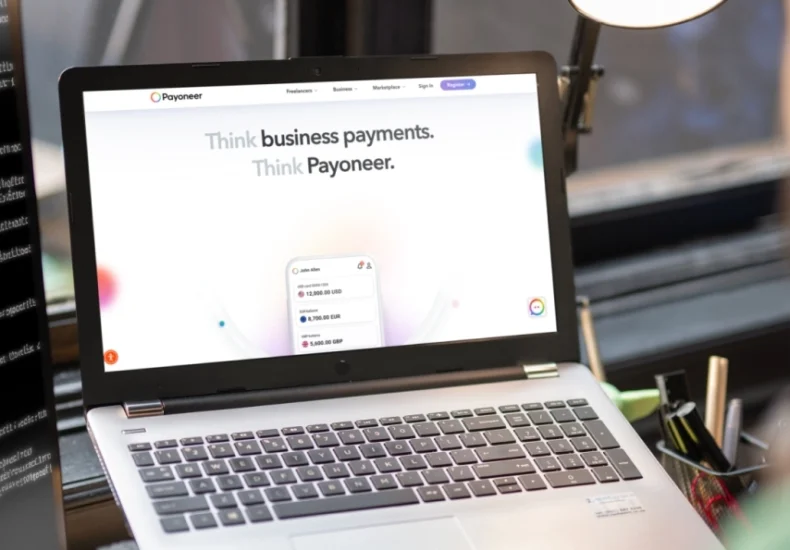
Best Multi Currency Account in Singapore: How Businesses Can Simplify International Business Payments
Expanding beyond Singapore has never been easier, but managing payments across different countries remains one of the biggest operational challenges for growing businesses. Whether you’re exporting products, working with overseas clients, or hiring international freelancers, every transaction involves multiple currencies, banking systems, and compliance requirements.
A business that regularly receives payments in USD, EUR, or GBP may lose a significant portion of its revenue through repeated currency conversions and transfer fees. These hidden costs gradually reduce profit margins and make financial planning more difficult.
This is why many businesses are now looking for the best multi currency account Singapore providers that allow them to receive, hold, and send funds in different currencies while keeping payment operations simple.
Why international business payments are becoming more complex
International expansion creates new opportunities, but it also introduces financial complexity. Businesses often receive payments in one currency while paying suppliers, contractors, or employees in another.
Using traditional banking systems for every transaction often means:
- Multiple currency conversions
- Higher transfer fees
- Longer settlement times
- Limited visibility into payment status
As businesses grow internationally, these inefficiencies become increasingly expensive. Modern payment platforms help remove these barriers by bringing global payment management into one place.
How does a multi currency account work in Singapore?
Many business owners ask, how does a multi currency account work in Singapore?
A multi currency account allows businesses to receive, store, and manage funds in multiple currencies without converting every payment immediately. Instead of exchanging money each time a payment arrives, businesses can hold balances in supported currencies and convert them only when exchange rates are more favorable.
For example, a Singapore marketing agency receiving USD from American clients can keep those funds in USD before paying overseas contractors or converting only when necessary. This helps reduce unnecessary exchange costs while improving cash flow management.
Why businesses are moving beyond traditional banking
Traditional international transfers still serve many businesses, but they were not designed for today’s global digital economy.
Modern payment platforms offer additional capabilities such as:
- Local receiving accounts
- Multi-currency balances
- Faster international transfers
- Simplified payment tracking
- Better visibility into global cash flow
Instead of managing multiple banking relationships across different countries, businesses can centralize their payment operations through a single platform.
Managing customer payments more efficiently
Receiving payments promptly is just as important as sending them.
Many growing companies want to know how to request payment from customer in Payoneer without creating unnecessary administrative work.
Businesses can improve payment collection by following a few simple practices:
- Send invoices immediately after completing work.
- Clearly define payment terms and due dates.
- Offer customers multiple payment options.
- Use automated payment requests to reduce manual follow-ups.
Digital invoicing tools help businesses collect payments faster while creating a more professional experience for international clients.
Payoneer vs Stripe in Singapore: Which platform suits international businesses?
When evaluating global payment platforms, many business owners compare Payoneer vs Stripe in Singapore.
Both platforms support international commerce, but they are designed for different business needs.
Stripe primarily focuses on online payment processing for ecommerce businesses and SaaS platforms. Businesses that need to accept card payments through websites often find Stripe to be a strong choice.
Payoneer, on the other hand, focuses on helping businesses receive, manage, and send international business payments across multiple countries. Features such as local receiving accounts, multi-currency balances, and global payout capabilities make it particularly useful for exporters, agencies, freelancers, marketplaces, and B2B service providers.
The right choice depends on how your business receives revenue and manages international payments.
Choosing the right payment partner
As global business becomes more competitive, payment infrastructure can directly influence profitability.
When evaluating a provider, businesses should consider:
- Transparent exchange rates
- Multi-currency support
- International payment coverage
- Ease of integration
- Security and regulatory compliance
- Reliable customer support
A flexible payment solution should grow alongside your business without increasing operational complexity.
For businesses looking to streamline global transactions, Payoneer provides businesses with the tools to receive, manage, and send payments across international markets through one integrated platform.
Businesses can also learn more about international business payments and best practices for managing cross-border transactions efficiently.
Conclusion
As more Singapore businesses expand into global markets, payment efficiency will become a key competitive advantage. Companies that reduce unnecessary currency conversions, simplify collections, and improve cash flow will be better positioned for long-term growth.
Choosing the right multi-currency payment solution is no longer simply about moving money. It is about building a financial infrastructure that supports international expansion while keeping operations efficient, transparent, and scalable.
You may also like



Leave a Reply