The Central Office Space Guide: Meaning, Benefits & Strategy
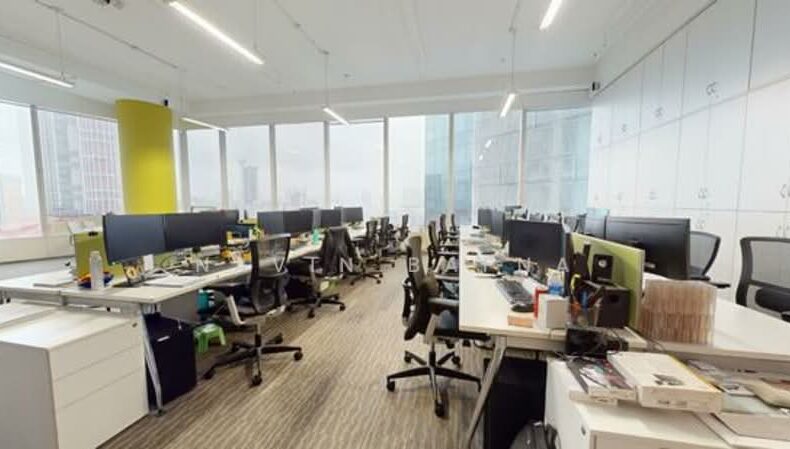
Idea of the central office space has shifted far beyond the traditional image of a fixed corporate building filled with rows of desks. Today, it reflects a strategic decision about where and how work gets done, especially as companies balance flexibility, employee experience, and operational efficiency. From high-rise offices in business districts to flexible coworking hubs and serviced offices, the central office space now plays a critical role in shaping productivity and brand identity.
For businesses, the location and structure of office space influence everything from hiring talent to client perception. A well-positioned central office can improve accessibility, reduce commute friction, and strengthen collaboration. At the same time, rising real estate costs and hybrid work culture have pushed organizations to rethink how much space they truly need and what type of environment supports performance best.
This guide breaks down the concept of central office space in practical terms, covering its meaning, types, benefits, cost structure, design trends, and future direction. It is structured for decision-makers, founders, facility managers, and professionals exploring office strategy in modern work environments.
What is Central Office Space?
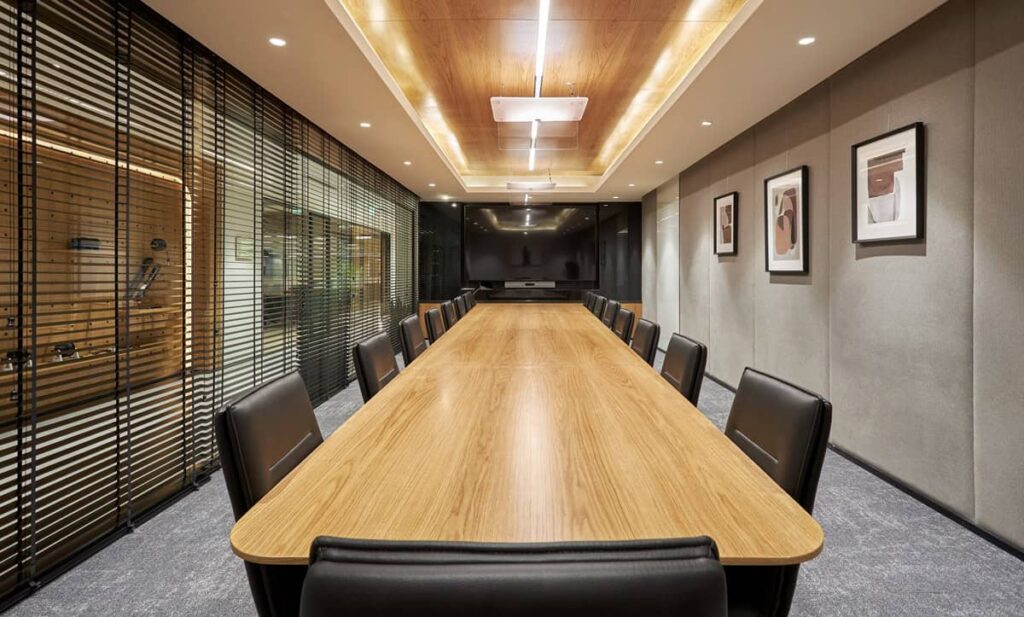
A central office space refers to a primary workplace located in a strategically important area—often within a central business district (CBD)—designed to serve as the operational or administrative hub of an organization. It can take multiple forms, including corporate headquarters, managed office suites, coworking environments, or hybrid workplace hubs.
Unlike peripheral or satellite offices, central office spaces are positioned for maximum accessibility, visibility, and connectivity. They are usually located near transportation networks, commercial hubs, and business ecosystems where industries cluster together. Cities like London, New York, Singapore, and Dubai are known for dense central office districts where global firms establish their presence.
In modern workplace planning, the definition has expanded. A central office is no longer just about geography—it is about function. It may act as a collaboration hub, a client-facing space, or a coordination center for distributed teams. Providers such as IWG plc and WeWork have redefined this concept by offering flexible central office environments that combine infrastructure, services, and scalability.
At its core, central office space is about alignment between location, purpose, and workforce needs.
Search Intent Behind Central Office Space Queries
People searching for “central office space” typically fall into several intent categories. Understanding this intent helps clarify what users are really trying to solve:
- Informational intent: What is central office space?
- Commercial intent: Should we rent or lease central office space?
- Comparative intent: Central office vs coworking vs serviced office
- Transactional intent: Finding office space in a central business district
- Strategic intent: How to optimize office location for business growth
Searchers are often business owners, HR leaders, real estate consultants, or startup founders evaluating cost, accessibility, and workplace efficiency. The strongest SERP alignment comes from content that explains definitions while also offering practical decision frameworks.
A key insight often missed in competitor content is that users are not just looking for “office space”—they are looking for a location strategy that supports growth, hiring, and client access. That distinction changes how the topic should be structured and understood.
Types of Central Office Spaces
Central office spaces are not one-size-fits-all. Different business models require different setups depending on size, budget, and operational goals.
1. Traditional Corporate Offices
These are long-term leased spaces in central business districts. Companies fully customize interiors, branding, and layouts. Large enterprises often prefer this model for control and privacy.
2. Coworking Spaces
Shared environments designed for flexibility and networking. Companies like WeWork and Spaces offer desks, private offices, and meeting rooms on subscription models.
3. Serviced Offices
Fully managed offices with utilities, reception, IT support, and maintenance included. These are ideal for companies that want plug-and-play operations.
4. Hybrid Offices
A mix of remote and physical presence. Central office spaces act as collaboration hubs rather than full-time workplaces.
5. Satellite Offices Connected to HQ
Smaller central offices used for regional operations while reporting to a main headquarters.
Comparison Table
| Type | Flexibility | Cost Level | Control | Best For |
|---|---|---|---|---|
| Traditional Office | Low | High | High | Large enterprises |
| Coworking | High | Medium | Low | Startups, freelancers |
| Serviced Office | High | Medium | Medium | SMEs |
| Hybrid Office | Very High | Variable | Medium | Distributed teams |
| Satellite Office | Medium | Medium | Medium | Expanding companies |
Benefits of Central Office Space
A central office space delivers more than just a place to work. It directly impacts business performance and organizational culture.
1. Accessibility and Connectivity
Central locations reduce commute time and improve access to public transportation. This improves employee satisfaction and attendance consistency.

2. Brand Visibility
A presence in a central business district enhances credibility. Clients often associate location with stability and trust.
3. Talent Attraction
Skilled professionals prefer working in accessible and well-connected environments. Central offices help companies compete in talent markets.
4. Networking Opportunities
Being surrounded by other businesses creates natural collaboration opportunities, partnerships, and client acquisition channels.
5. Operational Efficiency
Shared infrastructure, managed services, and optimized layouts reduce administrative burden.
6. Scalability
Flexible office providers allow businesses to expand or contract space without long-term risk.
Location Strategy: Why Central Business Districts Matter
The choice of a central office location is not accidental—it is a strategic decision tied to economic geography. Central business districts (CBDs) concentrate financial institutions, corporate headquarters, legal firms, and service providers in one area.
This clustering effect creates what urban economists describe as agglomeration advantages, where proximity reduces transaction costs and increases productivity. Businesses benefit from faster meetings, easier logistics, and stronger professional ecosystems.
Transportation infrastructure also plays a key role. Proximity to metro systems, highways, and airports ensures smoother client interactions and workforce mobility.
A central office in a CBD also supports reputation building. In many industries, address perception influences first impressions before any meeting takes place.
Office Design and Workplace Trends
Modern central office spaces are designed around human behavior, not just desk capacity.
1. Activity-Based Working
Employees choose spaces based on tasks—focus zones, collaboration areas, and meeting rooms.
2. Biophilic Design
Incorporating natural light, plants, and organic materials improves mental well-being and productivity.
3. Smart Office Systems
IoT sensors manage lighting, occupancy, and energy use for efficiency.
4. Flexible Layouts
Movable partitions and modular furniture support changing team structures.
5. Hybrid Collaboration Tech
Video conferencing systems and digital whiteboards enable remote integration.
Companies like Regus have integrated many of these design principles into their global office networks.
Cost Structure of Central Office Space
Understanding cost is essential before committing to any office arrangement.
Major Cost Components:
- Base rent per square foot
- Maintenance and service charges
- Utilities (electricity, internet, water)
- Furniture and setup costs
- Security and reception services
- Technology infrastructure
Hidden Costs Often Overlooked:
- Downtime during relocation
- Employee commute inefficiencies
- Underutilized space
- Long-term lease lock-in
Central coworking or serviced offices often reduce these hidden costs by bundling services into predictable monthly pricing.
Who Should Use Central Office Space?
Different organizations benefit in different ways:
Startups
Need flexible contracts and low upfront costs.
SMEs
Require balance between cost control and professional presence.
Large Enterprises
Use central offices for headquarters, client meetings, and branding.
Freelancers and Remote Teams
Use coworking spaces for structure and networking.
Common Mistakes in Choosing Central Office Space
Many businesses make avoidable errors when selecting office locations:
- Choosing prestige over practicality
- Ignoring commute patterns
- Underestimating total occupancy costs
- Locking into rigid long-term leases
- Not planning for growth
A better approach is aligning office choice with workforce behavior and long-term operational plans.
Future of Central Office Space
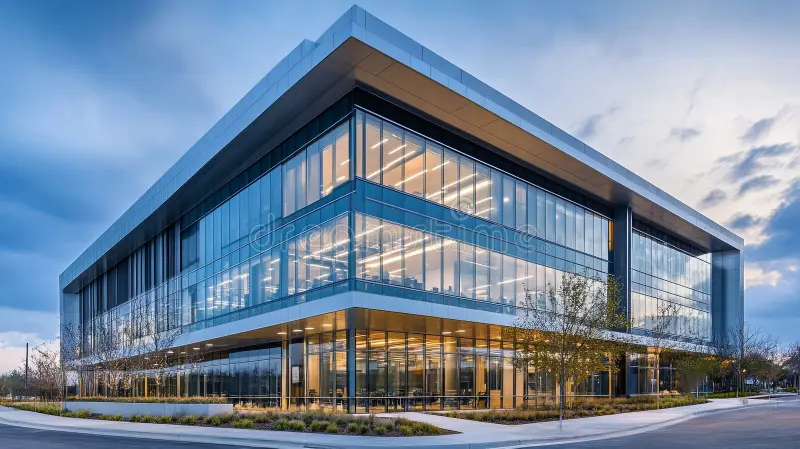
The central office is evolving into a hybrid ecosystem rather than a fixed workplace.
Key trends include:
- Rise of hybrid-first organizations
- AI-driven workplace management systems
- Flexible lease models replacing long contracts
- Decentralized team structures
- Experience-focused office design
Workplaces are becoming collaboration centers rather than mandatory daily destinations. The central office space of the future is defined less by ownership and more by adaptability.
FAQs
1. What is meant by central office space?
It refers to a primary business location, often in a central business district, used as a company’s main operational or collaboration hub.
2. Is central office space expensive?
Costs vary depending on location, size, and type. CBD offices are usually more expensive due to demand and accessibility.
3. What is the difference between coworking and central office space?
Coworking spaces are shared and flexible, while central office spaces can be private, leased, or hybrid depending on business needs.
4. Why do companies prefer central office locations?
Because of better accessibility, brand visibility, talent attraction, and networking opportunities.
5. Can startups afford central office space?
Yes, through coworking or serviced office models that reduce upfront costs.
6. Are central offices still relevant in remote work culture?
Yes, they now function more as collaboration hubs rather than daily mandatory workplaces.
You may also like


Leave a Reply