
Singapore Business Structure: Complete Guide for Entrepreneurs
Choosing the right Singapore Business Structure is one of the most important decisions an entrepreneur can make. The structure you select affects taxation, legal liability, fundraising opportunities, compliance requirements, and long-term growth.
Singapore is known for its business-friendly environment, making it a preferred destination for startups, SMEs, and international investors. However, many entrepreneurs struggle to determine which business structure best suits their goals.
This guide explains the different types of business entities available in Singapore, their advantages and disadvantages, registration considerations, and how to choose the right option. By the end, you will have a clear understanding of the best Singapore Business Structure for your business needs.
Types of Business Structures in Singapore
Before registering a company, it is essential to understand the available business entities. Each structure offers different levels of flexibility, protection, and compliance requirements.
Sole Proprietorship
A sole proprietorship is the simplest business model available in Singapore. It is owned and managed by one individual.
Key characteristics include:
- Easy registration process
- Low setup costs
- Full control of operations
- Minimal compliance requirements
However, the owner and business are legally the same entity. This means personal assets may be at risk if the business incurs debts or legal liabilities.
This option works best for:
- Freelancers
- Consultants
- Small online businesses
- Side businesses
Partnership
A partnership involves two or more individuals operating a business together.
Benefits include:
- Shared responsibilities
- Combined expertise
- Shared startup costs
Challenges include:
- Potential disputes between partners
- Shared liabilities
- Limited growth opportunities
Partnerships are often suitable for small family businesses and professional collaborations.
Limited Liability Partnership (LLP)
A Limited Liability Partnership combines the flexibility of a partnership with liability protection.
Advantages include:
- Separate legal entity
- Protection of personal assets
- Flexible management structure
- Professional credibility
Many professional firms choose LLPs because partners are generally not personally liable for another partner’s actions.
Private Limited Company (Pte Ltd)
A Private Limited Company is the most popular Singapore Business Structure for growing businesses.
Benefits include:
- Separate legal identity
- Limited shareholder liability
- Easier access to investors
- Better business credibility
- Tax incentives
This structure is often recommended for startups planning to scale operations or raise funding.
Comparing Business Entity Types
When evaluating a Singapore Business Structure, several factors should be considered.
Liability Protection
Liability protection determines whether personal assets are exposed to business risks.
| Structure | Liability |
|---|---|
| Sole Proprietorship | Unlimited |
| Partnership | Unlimited |
| LLP | Limited |
| Pte Ltd | Limited |
Businesses with higher financial risk often prefer LLPs or Pte Ltd companies.
Tax Considerations
Tax obligations vary depending on the entity selected.
Sole proprietors generally report profits through personal income tax.
Private limited companies are taxed under Singapore’s corporate tax framework and may benefit from startup tax exemptions and incentives.
Growth Potential
A scalable business typically requires:
- Investment opportunities
- Ownership transfer flexibility
- Corporate credibility
For these reasons, many startups choose the Private Limited Company model.
How to Choose the Right Singapore Business Structure
Selecting the best Singapore Business Structure depends on several business goals.
Consider Your Business Size
Ask yourself:
- Will you operate alone?
- Will you have partners?
- Do you expect rapid growth?
A freelancer may only need a sole proprietorship, while a startup seeking investors will likely require a Pte Ltd company.
Evaluate Risk Levels
Businesses operating in industries with potential legal exposure should prioritize liability protection.
Examples include:
- Technology startups
- Construction firms
- E-commerce businesses
- Consulting agencies
Limited liability structures can protect personal wealth from business obligations.
Think About Funding Needs
Investors generally prefer companies with a clear shareholding structure.
If fundraising is a future goal, a Private Limited Company often provides the strongest foundation.
Registration Requirements in Singapore
Registering a business requires compliance with local regulations.
Business Name Approval
Every business must obtain approval for its proposed name before registration.
The name should:
- Be unique
- Avoid restricted terms
- Comply with Singapore regulations
Local Requirements
Depending on the entity type, requirements may include:
- Shareholders
- Directors
- Company secretary
- Registered address
Private limited companies typically require at least one local resident director.
Regulatory Compliance
Businesses must maintain proper records and meet filing obligations.
Examples include:
- Annual returns
- Tax filings
- Financial statements
Compliance requirements are generally higher for Pte Ltd companies than for sole proprietorships.
Benefits of Choosing the Right Business Structure
The right Singapore Business Structure provides more than legal compliance.
Better Asset Protection
Limited liability entities protect personal assets from business obligations.
This protection becomes increasingly valuable as a business grows.
Improved Credibility
Customers, suppliers, and investors often perceive incorporated companies as more professional.
This credibility can help secure contracts and partnerships.
Easier Business Expansion
A well-structured company can:
- Attract investors
- Add shareholders
- Expand internationally
- Transfer ownership efficiently
These advantages make business growth significantly easier.
Access to Government Support
Many Singapore grants and support programs favor incorporated businesses.
This can provide valuable assistance during expansion and innovation projects.
Common Mistakes When Choosing a Business Structure
Many entrepreneurs rush the decision process.
Avoid these common mistakes:
Focusing Only on Setup Costs
A low-cost structure may become expensive later if it limits growth.
Ignoring Future Expansion
Choose a structure that supports long-term objectives.
Overlooking Compliance Requirements
Each entity has different obligations.
Understanding these responsibilities helps avoid penalties and administrative challenges.
Not Seeking Professional Advice
Business consultants, accountants, and corporate service providers can help identify the most suitable structure
Singapore Business Structure for Foreign Entrepreneurs
Foreign investors frequently establish businesses in Singapore because of its stable economy and transparent regulations.
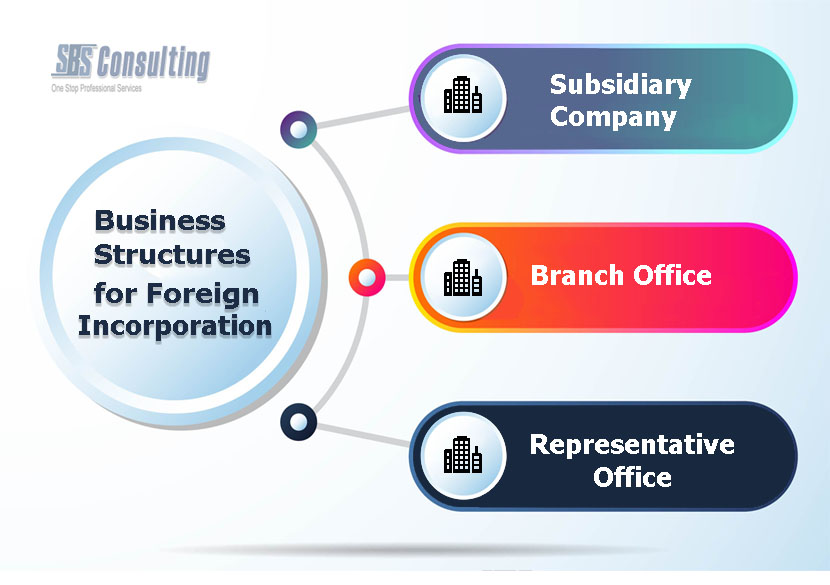
Popular options include:
- Private Limited Company
- Subsidiary Company
- Branch Office
- Representative Office
Among these, the Private Limited Company remains the preferred choice due to flexibility, liability protection, and growth opportunities.
Foreign entrepreneurs should also consider:
- Local director requirements
- Employment passes
- Corporate banking
- Tax obligations
Careful planning ensures a smoother market entry process.
Frequently Asked Questions (FAQs)
What is the best Singapore Business Structure for startups?
A Private Limited Company is generally considered the best option for startups seeking growth, investment, and liability protection.
Is a sole proprietorship suitable for small businesses?
Yes. It works well for freelancers, consultants, and low-risk businesses with a single owner.
What is the difference between LLP and Pte Ltd?
An LLP offers partnership flexibility, while a Pte Ltd provides a corporate structure with shareholders and greater fundraising potential.
Can foreigners register a company in Singapore?
Yes. Foreign entrepreneurs can establish businesses in Singapore, subject to local regulatory requirements.
Which Singapore Business Structure offers the most liability protection?
Private Limited Companies and LLPs both provide liability protection by separating personal and business obligations.
Conclusion
Choosing the right Singapore Business Structure is a critical step toward building a successful and sustainable business. The structure you select influences liability, taxation, compliance obligations, funding opportunities, and future expansion.
For solo entrepreneurs, a sole proprietorship may offer simplicity and affordability. Partnerships can support collaborative ventures, while LLPs provide additional protection. However, for businesses focused on growth, investment, and long-term scalability, the Private Limited Company remains the preferred option for many entrepreneurs in Singapore.
Before making a final decision, evaluate your business goals, risk exposure, funding requirements, and future plans. A carefully chosen Singapore Business Structure can provide a strong foundation for growth and success.
Start planning your business setup today and choose a structure that supports your long-term vision.
You may also like



Leave a Reply