
Foreign Company Singapore: Complete Setup & Registration Guide
Singapore remains one of the world’s most attractive destinations for international business expansion. A Foreign Company Singapore setup offers access to a stable economy, transparent regulations, excellent banking infrastructure, and strategic access to Asian markets.
Whether you are planning to establish a branch office, incorporate a subsidiary, or open a representative office, understanding the legal and compliance requirements is essential. Choosing the right structure can influence taxation, liability, operational flexibility, and future growth opportunities.
This guide explains the available business structures, registration process, compliance obligations, taxation considerations, and practical tips for setting up a successful business presence in Singapore.
Why Singapore Attracts Foreign Businesses
Singapore consistently ranks among the easiest places in the world to do business. The country provides a supportive environment for entrepreneurs, multinational corporations, and investors.
Key advantages include:
- Strategic location in Asia
- Strong legal framework
- Efficient company registration system
- Business-friendly tax structure
- Skilled workforce
- Advanced banking ecosystem
- Extensive network of trade agreements
A Foreign Company Singapore operation benefits from a transparent regulatory system and strong protection of intellectual property rights.
Moreover, Singapore’s reputation as a global financial hub helps businesses establish credibility with customers, suppliers, and investors worldwide.
For companies seeking regional expansion, Singapore often serves as a gateway into Southeast Asia and broader international markets.
Business Structures Available for Foreign Companies
Foreign businesses can establish a presence in Singapore through several legal structures. Each option serves different objectives and operational needs.
Subsidiary Company
A subsidiary is the most common structure chosen by international businesses.
Key features include:
- Separate legal entity
- Up to 100% foreign ownership
- Limited liability protection
- Ability to conduct full business activities
- Potential eligibility for tax benefits
Most foreign investors prefer subsidiaries because they offer operational flexibility and stronger legal protection.
Branch Office
A branch office is considered an extension of the foreign parent company.
Characteristics include:
- Not a separate legal entity
- Parent company remains liable
- Same business activities as parent company
- Locally resident authorized representative required
Branch offices are often selected by corporations that want to maintain a direct connection with their overseas headquarters.
Representative Office
A representative office is suitable for market research and exploratory activities.
It may:
- Conduct market studies
- Build business relationships
- Explore commercial opportunities
However, it cannot:
- Generate revenue
- Sign commercial contracts
- Conduct trading activities
This structure is generally used before making a larger investment commitment.
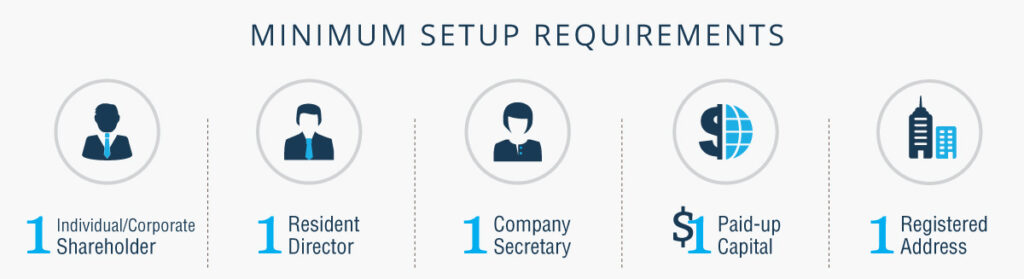
Foreign Company Registration Requirements
Before establishing a Foreign Company Singapore entity, businesses must satisfy several registration requirements.
Common requirements include:
- Approved business name
- Registered local address
- Required directors or representatives
- Corporate secretary (where applicable)
- Shareholder information
- Identification documents
- Parent company documents
For subsidiaries, companies generally need:
- At least one shareholder
- One locally resident director
- Registered office address
- Company secretary appointment
Authorities carefully review submitted documents to ensure regulatory compliance.
Step-by-Step Registration Process
The registration process is generally straightforward when documents are prepared properly.
Step 1 – Choose the Appropriate Structure
Determine whether a subsidiary, branch office, or representative office best supports your objectives.
Step 2 – Reserve the Company Name
The proposed business name must comply with Singapore naming guidelines and receive approval.
Step 3 – Prepare Corporate Documents
Required documents often include:
- Certificate of incorporation
- Company constitution
- Director details
- Shareholder information
- Registered office information
Step 4 – Submit Registration
Applications are filed through the appropriate government system.
Step 5 – Open a Corporate Bank Account
After approval, businesses typically establish a corporate banking relationship to support operations.
Tax Considerations for Foreign Businesses
Tax planning is an important factor when selecting a Foreign Company Singapore structure.
Singapore offers:
- Competitive corporate tax rates
- Double taxation agreements
- Transparent tax administration
- Business-friendly tax policies
However, tax treatment differs depending on the business structure.
Subsidiaries may enjoy benefits unavailable to branch offices because they operate as separate Singapore-incorporated entities. Branch offices are generally taxed on Singapore-sourced income but may not qualify for certain incentives available to local companies.
Businesses should consult professional tax advisors to ensure compliance and maximize available benefits.
Compliance and Regulatory Obligations
Registration is only the beginning. Every Foreign Company Singapore entity must maintain ongoing compliance.
Common obligations include:
- Annual filings
- Financial record maintenance
- Corporate governance requirements
- Tax submissions
- Regulatory updates
Failure to meet compliance obligations may result in penalties or operational disruptions.
Organizations should implement internal procedures to monitor deadlines and reporting responsibilities. Many companies also engage professional corporate service providers to assist with compliance management.
Corporate Banking for Foreign Companies
Opening a business bank account is a critical step after incorporation.
Banks typically require:
- Registration documents
- Identity verification
- Business activity details
- Ownership information
- Compliance documentation
Benefits of corporate banking include:
- Separation of business finances
- Improved financial management
- Easier tax reporting
- Enhanced credibility
Singapore’s banking sector is internationally respected and supports both local and cross-border business activities.
Common Challenges and How to Avoid Them
Many businesses encounter avoidable issues during expansion.
Common challenges include:
Incomplete Documentation
Missing documents often delay approval.
Choosing the Wrong Structure
Selecting an unsuitable entity can create tax and compliance complications.
Compliance Oversights
Businesses sometimes underestimate ongoing reporting obligations.
Banking Delays
Additional due diligence reviews may extend account-opening timelines.
To avoid these problems:
- Work with experienced advisors
- Prepare documents early
- Understand compliance requirements
- Maintain accurate records
Proper planning significantly improves the success of a Foreign Company Singapore setup.
Best Practices for Long-Term Success
Successful foreign businesses focus on more than registration.
Recommended practices include:
- Develop a clear expansion strategy
- Maintain strong compliance controls
- Monitor regulatory updates
- Build local business relationships
- Invest in professional support services
In addition, businesses should regularly review their corporate structure to ensure it remains aligned with growth objectives and market conditions.
A proactive approach helps companies maximize the advantages Singapore offers while minimizing operational risks.
Frequently Asked Questions
Can a foreign company own 100% of a Singapore subsidiary?
Yes. Singapore generally allows full foreign ownership of subsidiary companies.
What is the best structure for a Foreign Company Singapore setup?
For most businesses, a subsidiary offers the greatest flexibility, liability protection, and potential tax advantages.
Does a branch office have separate legal status?
No. A branch office is considered an extension of the foreign parent company.
Can a representative office earn revenue?
No. Representative offices are limited to non-commercial activities such as market research and liaison functions.
Is ongoing compliance required after registration?
Yes. Businesses must meet annual filing, accounting, and regulatory obligations to remain compliant.
Conclusion
Establishing a Foreign Company Singapore presence can create significant opportunities for international growth. Singapore offers a business-friendly environment, efficient registration procedures, strong legal protections, and excellent access to regional markets.
The most suitable structure depends on your objectives, risk tolerance, tax considerations, and operational plans. Subsidiaries, branch offices, and representative offices each serve different business needs and carry unique compliance obligations.
Before proceeding, carefully evaluate your expansion goals and seek professional advice when necessary. Proper planning, strong compliance practices, and strategic decision-making will help your business succeed in one of the world’s leading commercial destinations.
Start evaluating your business structure options today and build a strong foundation for long-term success in Singapore.
You may also like



Leave a Reply