Tekka Market Guide: Everything You Need to Know Before Visiting Singapore
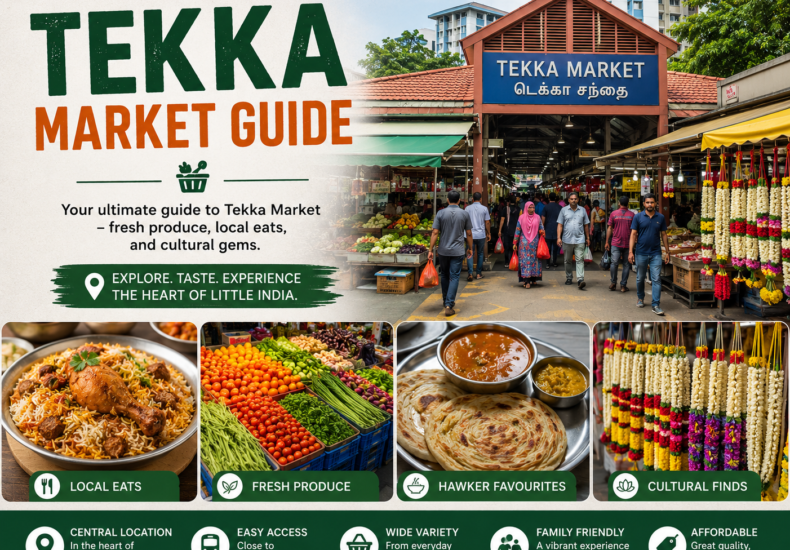
Tekka Market Guide is one of Singapore’s most fascinating places to experience local culture, authentic food, traditional shopping, and everyday community life in one destination. Located in the heart of Little India, this iconic marketplace has become a favorite among locals, tourists, food lovers, and photographers who want to discover a side of Singapore beyond its modern skyline and luxury shopping malls.
Unlike many tourist attractions that are designed primarily for visitors, Tekka Market Guide remains an active community hub where residents shop for fresh produce, families enjoy affordable meals, and small businesses continue traditions that have been passed down for generations. Walking through the market offers an opportunity to witness the multicultural identity of Singapore, where Indian, Chinese, Malay, and other communities come together in a lively and welcoming atmosphere.
Whether you are searching for famous hawker dishes, colorful textiles, fragrant spices, fresh seafood, or simply an authentic local experience, Tekka Market Guide offers something for everyone. Every corner tells a story, from busy food stalls serving recipes perfected over decades to traditional shops selling handcrafted goods and everyday essentials.
This complete guide covers everything you need to know before visiting Tekka Market, including its history, layout, food culture, shopping experiences, practical visitor tips, and helpful advice to make your trip enjoyable.
What Is Tekka Market?
Tekka Market, officially known as Tekka Centre, is a multi-purpose complex that combines a hawker centre, wet market, and retail section under one roof. It serves as one of Singapore’s largest community marketplaces and remains one of the best places to experience authentic local culture without spending a fortune.
The building is divided into several sections, making it easy for visitors to explore different experiences during a single visit.
The main areas include:
- Hawker centre featuring affordable local meals
- Wet market selling fresh ingredients
- Retail shops offering clothing and textiles
- Spice and grocery stores
- Traditional jewelry shops
- Tailoring services
- Household goods and daily necessities
Unlike shopping malls where international brands dominate, Tekka Market Guide showcases independent local vendors who often specialize in products that have been part of Singapore’s cultural heritage for many years.
Why Tekka Market Guide Is So Popular
Tekka Market Guide stands out because it offers much more than shopping or dining. It represents everyday Singaporean life while preserving traditions that continue to attract visitors from around the world.
Several factors contribute to its popularity.
Rich Cultural Diversity
Few places in Singapore display such a vibrant mix of cultures. Visitors can experience Indian spices, Chinese delicacies, Malay snacks, and international influences all within the same building.
Languages spoken throughout the market often include:
- English
- Tamil
- Mandarin
- Malay
- Various Chinese dialects
This multicultural environment creates an authentic atmosphere that reflects Singapore’s identity.
Affordable Prices
Tekka Market is known for offering excellent value.
Visitors can enjoy:
- Budget-friendly meals
- Fresh groceries
- Quality fabrics
- Traditional clothing
- Affordable souvenirs
- Local snacks
This makes it attractive to both tourists and residents looking for quality products without premium prices.
Authentic Local Experience
Unlike attractions designed specifically for tourism, Tekka Market Guide remains a functioning marketplace where locals shop daily.
Visitors can observe:
- Morning grocery shopping
- Fresh food deliveries
- Families enjoying breakfast
- Hawkers preparing meals
- Tailors working on custom clothing
- Spice merchants assisting customers
This everyday activity creates an authentic experience that many travelers seek.
The History of Tekka Market
Understanding the history of Tekka Market Guide adds another layer of appreciation when exploring the complex.
Long before the modern building existed, this area served as an important marketplace supporting nearby communities. The location gradually became one of Singapore’s busiest commercial districts because of its central position and proximity to Little India.
Over time, traders from different backgrounds established businesses here, creating a vibrant marketplace where fresh produce, meat, seafood, spices, textiles, and prepared food could all be found.
As Singapore developed, the market evolved to meet changing needs while maintaining its role as an essential community center.
The current Tekka Centre was developed to provide improved facilities for vendors and shoppers while preserving the lively marketplace atmosphere that locals valued.
Today, the market successfully balances modernization with tradition. Although the facilities have improved significantly over the years, visitors still experience many aspects of traditional market life that have remained unchanged for generations.
The Meaning Behind the Name “Tekka”
Many first-time visitors wonder where the name “Tekka” comes from.
The name is believed to originate from a local term associated with bamboo, reflecting the area’s historical landscape before urban development transformed the neighborhood.
Although Singapore has changed dramatically over the decades, the name has remained closely connected with the market and has become one of the city’s most recognizable landmarks.
Today, both locals and international visitors commonly refer to the complex simply as Tekka Market or Tekka Centre.
Where Tekka Market Is Located
Tekka Market sits within Singapore’s colorful Little India district, making it an ideal stop for anyone exploring this culturally rich neighborhood.
Its central location allows visitors to combine several attractions in a single trip without traveling long distances.
Within walking distance, visitors can find:
- Historic temples
- Cultural landmarks
- Heritage streets
- Traditional shops
- Local cafés
- Boutique stores
- Art murals
- Shopping streets
This makes Tekka Market an excellent starting point for discovering Little India.
Getting to Tekka Market
One reason Tekka Market remains so popular is its excellent accessibility.
Visitors have several convenient transportation options.
MRT
The MRT is generally the easiest way to reach the market.
After exiting the nearby station, the market is only a short walk away, making public transport the preferred choice for many visitors.
Public Bus
Numerous bus routes stop close to the market.
Buses provide an affordable alternative while allowing passengers to enjoy views of the surrounding neighborhoods.
Taxi and Ride-Hailing Services
Visitors carrying shopping bags or traveling with family often choose taxis or ride-hailing services.
Drop-off points are conveniently located near the main entrances.
Walking
Those exploring Little India can comfortably walk to Tekka Market from many nearby attractions.
Walking allows visitors to discover colorful streets, murals, temples, and local businesses along the way.
Best Time to Visit Tekka Market
Although Tekka Market welcomes visitors throughout the day, different times offer unique experiences.
Early Morning
Morning is the busiest time for the wet market.
Visitors can enjoy:
- Fresh seafood arrivals
- Fruit displays
- Vegetable vendors
- Active butchers
- Local shoppers
- Vibrant market atmosphere
Photographers often prefer mornings because natural light enhances the colorful displays.
Late Morning
This is one of the most popular times for food lovers.
Most hawker stalls are fully operational, offering freshly prepared meals before lunch crowds become overwhelming.
Afternoon
Afternoons are generally quieter.
Visitors can explore:
- Retail shops
- Textile stores
- Spice merchants
- Souvenir stalls
Without heavy crowds, browsing becomes more comfortable.
Evening
Some food stalls continue serving dinner while retail activity gradually slows.
Evening visits offer a more relaxed atmosphere compared to the busy morning rush.
How Much Time Should You Spend at Tekka Market?
The ideal visit depends on your interests.
Quick Visit
Around one hour is enough to:
- Walk through the market
- Enjoy one meal
- Browse several shops
- Experience the atmosphere
Standard Visit
Two to three hours allow visitors to:
- Explore every section
- Try multiple food stalls
- Shop for souvenirs
- Visit nearby attractions
- Take photographs
Half-Day Experience
A half-day visit provides enough time to fully appreciate the market while exploring the surrounding Little India neighborhood at a comfortable pace.
Understanding the Layout
First-time visitors sometimes assume Tekka Market is simply a food centre, but it is actually organized into multiple sections.
Understanding the layout helps maximize your visit.
The complex generally includes three major areas:
Hawker Centre
This section attracts the largest number of visitors.
Rows of food stalls prepare dishes from various cultures, offering everything from traditional breakfasts to hearty lunches and delicious desserts.
Communal seating allows people from different backgrounds to share tables while enjoying affordable meals.
Wet Market
The wet market serves local residents looking for fresh ingredients.
Visitors will find:
- Seafood
- Poultry
- Meat
- Vegetables
- Herbs
- Fruits
- Flowers
- Fresh spices
Walking through this section offers insight into everyday life in Singapore.
Retail Area
The retail section features numerous independent businesses selling:
- Traditional clothing
- Sarees
- Fabrics
- Tailored garments
- Jewelry
- Shoes
- Watches
- Bags
- Household items
- Religious goods
- Gifts
- Souvenirs
Many shop owners possess years of experience and are happy to assist customers with recommendations.
Food Experience Inside Tekka Centre
Tekka Centre is not just a place to eat; it is one of the most concentrated expressions of Singapore’s multicultural food identity. The hawker centre inside brings together Indian, Malay, and Chinese culinary traditions under one roof, making it a rare space where breakfast, lunch, and snacks can feel like a cultural tour.
The food section is busiest during breakfast and lunch hours, especially on weekends when both locals and tourists converge. The seating area is shared, so it is common to see people from different backgrounds sitting together, which is part of the authentic hawker experience.
Indian Food Highlights and Signature Dishes
The Indian food presence is the strongest identity marker of Tekka Centre. Many stalls specialize in South Indian, North Indian, and Indian Muslim dishes, offering a wide spectrum of flavors.
Banana Leaf Rice Experience
One of the most iconic ways to eat here is banana leaf rice. It is typically served with steamed rice placed on a banana leaf and accompanied by multiple vegetable sides, curry, papadum, and sometimes fried fish or chicken.
The experience is not just about taste but also tradition. Eating on a banana leaf is believed to enhance aroma and digestion, and it is deeply rooted in South Indian culture.
Briyani Culture at Tekka
Briyani here is not a single dish but a category of variations. You will find mutton briyani, chicken briyani, and sometimes fish or vegetable versions. The rice is typically long-grain and infused with saffron or turmeric, giving it a rich aroma.
What makes Tekka’s briyani stand out is the balance between spice intensity and moisture. Unlike overly dry versions, many stalls serve it slightly moist with gravy poured over the rice.
Prata and Teh Tarik Ritual
Roti prata is one of the most popular breakfast items. It is crispy on the outside, soft inside, and often served with fish curry or sugar.
Teh tarik, a pulled milk tea, is usually paired with prata. Watching the tea being poured back and forth between cups is part of the experience itself, creating a frothy texture.
Chinese Hawker Options
While Indian food dominates visibility, Chinese stalls offer equally important contributions to Tekka’s identity.
Fish Soup Culture
Fish soup is a light yet flavorful dish made with fresh fish slices, clear broth, and sometimes rice or noodles. It is particularly popular among health-conscious visitors or those looking for something less heavy.
The broth is typically simmered for hours, extracting flavor from fish bones and vegetables, resulting in a clean but rich taste.
Noodle Variations
You will find several noodle-based dishes such as:
- Wanton noodles with char siu
- Fried Hokkien noodles
- Fish ball noodles
Each stall has its own interpretation, often using family recipes passed down through generations.
Malay and Muslim-Friendly Food Choices
Tekka Centre also includes Malay and Muslim-friendly stalls, ensuring inclusivity for all visitors.
Nasi Padang Style Meals
Nasi padang is a rice-based meal served with multiple side dishes such as rendang, sambal egg, fried chicken, and vegetables. The key feature is customization—you choose what you want, and the price depends on selection.
Satay and Grilled Items
Some stalls offer grilled skewers served with peanut sauce. The smoky flavor combined with sweet and spicy sauces makes it a popular evening snack.
Hidden Food Strategy Most Visitors Miss
Most first-time visitors simply walk in and pick whatever looks popular, but experienced visitors follow a strategy:
- Arrive early for breakfast items before queues form
- Look for stalls with long local queues rather than tourist groups
- Observe what locals are eating before ordering
- Share tables and try multiple small dishes instead of one large meal
This approach allows you to sample more variety without overpaying or waiting too long.
Wet Market Deep Experience
The wet market section of Tekka Centre operates on a completely different rhythm compared to the hawker centre. It is most active in the early morning when fresh goods arrive.
Seafood Section
One of the most visually striking parts is the seafood area. You will see live crabs, fish laid on ice, prawns, and shellfish. Vendors often shout prices and negotiate directly with customers.
Freshness is the key selling point here. Many local households prefer buying seafood early in the day for same-day cooking.
Meat and Poultry Zone
The meat section includes chicken, beef, and sometimes mutton. Some stalls are halal-certified, making them suitable for Muslim shoppers.
Butchers often provide custom cuts depending on cooking needs, such as curry cuts or boneless pieces.
Vegetable and Spice Area
This is where Tekka Centre becomes culturally unique. You will find:
- Curry leaves
- Lemongrass
- Turmeric roots
- Exotic Indian vegetables
- Fresh chili varieties
Spices are sold in bulk, making it a preferred shopping destination for Indian cooking enthusiasts.
Textile and Shopping Culture
Tekka Centre is not only about food; it is also a traditional shopping hub, especially for textiles and clothing.
Fabric and Saree Shops
One of the most prominent features is rows of fabric shops offering:
- Cotton fabrics
- Silk sarees
- Embroidered materials
- Tailoring services
Many customers buy fabric and then get custom outfits stitched by nearby tailors.
Tailoring Services
Tailoring is a major part of the ecosystem. Visitors often choose fabric first, then get it measured and stitched according to personal design preferences.
This customization culture is something that modern malls cannot replicate easily.
Jewelry and Accessories
Small jewelry shops offer gold-plated accessories, bangles, and traditional Indian ornaments. These items are often used for cultural festivals and weddings.
Cultural Atmosphere and Local Life
Tekka Centre is not designed like a modern shopping mall. It is a living ecosystem where daily life unfolds naturally.
You will see:
- Elderly residents doing daily grocery shopping
- Workers having quick meals
- Families buying fresh ingredients
- Tourists exploring food stalls
The atmosphere is energetic but not chaotic. There is a rhythm that reflects Singapore’s multicultural identity.
Best Time to Explore Tekka Centre
Timing plays a major role in the experience.
Early Morning (Best for Wet Market)
- Fresh seafood and vegetables
- Less crowd
- Authentic local shopping experience
Late Morning to Afternoon (Best for Food)
- Fully operational hawker stalls
- Peak variety of dishes
- Busy but lively atmosphere
Evening (More Relaxed)
- Fewer crowds
- Some stalls may close early
- More comfortable seating
Practical Visitor Tips
To get the most out of Tekka Centre:
- Carry cash as some stalls may not accept cards
- Bring tissue or wet wipes for convenience
- Be ready to share tables during peak hours
- Avoid peak lunch rush if you prefer a quiet experience
- Try small portions from multiple stalls instead of one large meal
Common Mistakes Visitors Make
Many first-time visitors miss the real experience because of:
- Only eating at the first visible stall
- Not exploring wet market in early hours
- Ignoring upstairs or less crowded sections
- Not trying Indian specialty dishes due to unfamiliarity
- Overlooking spice and textile shopping opportunities
Why Tekka Centre Feels Different
Unlike modern food courts, Tekka Centre feels organic. It is shaped by community habits rather than commercial design.
There is no polished branding experience—just real food, real shopping, and real people. That authenticity is what makes it stand out in Singapore’s highly modernized urban environment.
Nearby Attractions Around Tekka Centre
Tekka Centre is located in one of Singapore’s most culturally rich districts, so a visit here can easily expand into a full half-day or full-day exploration. The surrounding area, especially Little India, is filled with heritage sites, temples, and street experiences that complement the market visit.
Little India Cultural Walk
Just a short walk from Tekka Centre, Little India is one of the most vibrant ethnic districts in Singapore. The streets are filled with colorful shopfronts, flower garlands, spice shops, and traditional eateries.
Walking here feels like stepping into a different cultural rhythm compared to the rest of the city. The energy is continuous, especially during weekends and festivals.
Key highlights include:
- Decorative street murals
- Traditional Indian music in shops
- Jewelry stores with intricate designs
- Textile boutiques with vibrant fabrics
- Flower garland vendors along the streets
This area is best explored slowly, allowing time to observe everyday life.
Sri Veeramakaliamman Temple
One of the most important landmarks near Tekka Centre is the Sri Veeramakaliamman Temple. It is one of Singapore’s oldest Hindu temples and a major spiritual site for the local Indian community.
The temple is known for its detailed architecture, colorful deity statues, and peaceful interior atmosphere. Visitors are welcome, but respectful behavior is expected, including removing shoes before entry and dressing modestly.
The temple adds a strong cultural and spiritual dimension to your Tekka Centre visit, especially if you are exploring the heritage of Little India.
Mustafa Centre Shopping Experience
A few minutes away from Tekka Centre is Mustafa Centre, a 24-hour shopping complex that feels completely different from traditional markets.
It offers:
- Electronics
- Groceries
- Jewelry
- Clothing
- Travel essentials
- Cosmetics
What makes it unique is the nonstop operation and maze-like layout. Many visitors come here after Tekka Centre for late-night shopping or price comparisons.
Full Tekka Centre Itinerary Plans
To help visitors experience Tekka Centre efficiently, here are structured visit plans depending on available time.
One-Hour Quick Visit Plan
Ideal for travelers on a tight schedule.
- Enter hawker centre and grab a quick meal (prata or briyani)
- Walk through wet market briefly
- Take photos of main food stalls
- Exit through Little India street for quick exploration
This plan focuses mainly on food sampling and atmosphere.
Two-Hour Balanced Experience
This is the most recommended option for first-time visitors.
- Start with wet market exploration (30–40 minutes)
- Breakfast or lunch at hawker centre (40–50 minutes)
- Short walk through textile and spice shops
- Quick visit to nearby Little India streets
This provides a complete snapshot of Tekka Centre’s identity.
Half-Day Deep Experience
For travelers who want a full cultural immersion.
- Early morning wet market visit
- Extended food tasting session (multiple stalls)
- Textile and tailoring exploration
- Spice shopping and souvenir browsing
- Walk to Sri Veeramakaliamman Temple
- Explore Little India streets
- Optional visit to Mustafa Centre
This itinerary shows Tekka Centre not as a stop, but as a cultural hub.
Budget Planning for Visitors
Tekka Centre is known for being affordable, but costs can vary depending on food choices and shopping.
Food Budget Breakdown
- Budget meal: low-cost hawker dish
- Mid-range meal: combination plate or briyani set
- Multi-stall tasting: multiple small portions
On average, visitors can enjoy a full meal experience without high spending, making it suitable for all travel budgets.
Shopping Budget Overview
Shopping costs depend heavily on intent:
- Fabric purchases vary based on material type
- Tailoring adds additional customization cost
- Spices and groceries are generally low-cost
- Jewelry ranges from affordable accessories to higher-value items
Most visitors spend more on food than shopping unless they are specifically buying textiles or tailoring items.
Food and Culture Etiquette Guide
Understanding local etiquette enhances the experience and helps visitors blend in naturally.
Hawker Centre Etiquette
- Always return trays after eating
- Share tables during busy hours
- Queue patiently even if stall looks crowded
- Avoid occupying seats without ordering
These practices are part of Singapore’s food culture discipline.
Wet Market Behavior
- Do not touch produce unless permitted
- Ask before negotiating prices
- Arrive early for best selection
- Bring reusable bags if planning purchases
Vendors appreciate direct and respectful communication.
Photography Etiquette
- Ask before photographing vendors
- Avoid blocking narrow walkways
- Be mindful in religious or cultural areas nearby
- Respect privacy of shoppers
Best Photography Spots
Tekka Centre and its surroundings offer strong visual appeal for photography lovers.
Recommended spots include:
- Entrance of Tekka Centre during morning rush
- Wet market seafood displays
- Colorful spice stalls
- Textile shop interiors with hanging fabrics
- Street views of Little India
- Temple architecture details
Morning and late afternoon light produce the best results.
Seasonal and Festival Experience
Tekka Centre becomes especially lively during cultural festivals.
Deepavali Season
During Deepavali, Little India transforms with lights, decorations, and festive shopping energy. Tekka Centre becomes busier with shoppers buying ingredients, sweets, and fabrics.
Ramadan Period
During Ramadan, halal food stalls see increased activity, especially in the evenings when people break fast.
Weekend Peak Atmosphere
Weekends bring:
- Higher foot traffic
- Longer food queues
- More tourist presence
- More vibrant atmosphere
Weekdays are calmer and more suitable for slow exploration.
Why Tekka Centre Stands Out
Unlike modern malls or curated food courts, Tekka Centre maintains a strong sense of everyday life.
It stands out because:
- It combines wet market + hawker food + retail in one place
- It reflects real community habits, not tourism design
- It preserves traditional shopping culture
- It remains affordable and accessible
- It showcases Singapore’s multicultural identity in a single space
It is not just a destination, but a working ecosystem.
Final Travel Insights
Tekka Centre is best understood as more than a food stop. It is a layered experience that includes:
- Morning wet market activity
- Midday food culture
- Cultural shopping traditions
- Nearby heritage exploration
Visitors who rush through it only experience a small part of its identity. Those who slow down and explore each layer discover its real depth.
Conclusion
Tekka Centre is one of Singapore’s most authentic cultural spaces, where food, trade, and tradition coexist naturally. It reflects the daily life of the community while also offering a powerful experience for travelers seeking something real and unfiltered.
Whether you come for a simple plate of briyani, a walk through the wet market, or a full exploration of Little India, Tekka Centre rewards curiosity. It is not designed to impress—it simply exists as it is, and that honesty is what makes it memorable.
A well-planned visit allows you to experience food diversity, cultural depth, and historical continuity in one compact location. For any traveler exploring Singapore beyond the usual tourist spots, Tekka Centre remains an essential stop that connects past and present in a single living marketplace.
You may also like
Leave a Reply