Tebing Lane Guide: Food, Cafes, Housing & Lifestyle
Tebing Lane is one of those Singapore neighborhoods that quietly grows on people. Tucked inside the Punggol district, the area combines waterfront living, neighborhood dining, daily convenience, and a slower residential atmosphere that many residents now prefer over busier town centers. While it may not attract the same attention as Orchard Road or Tiong Bahru, Tebing Lane has developed a loyal following among families, young professionals, café lovers, and property seekers who appreciate a calmer environment with modern amenities nearby.
The area sits close to the Punggol Waterway and is connected through the Punggol LRT system, making daily commuting relatively easy. Over the years, Tebing Lane has also become associated with casual dining, community-friendly spaces, waterfront walks, and HDB living that balances affordability with accessibility.
Search interest around Tebing Lane has increased because people are no longer looking only for central city living. Buyers, renters, and visitors increasingly search for neighborhoods that offer lifestyle value, greenery, connectivity, and practical convenience. Tebing Lane checks many of those boxes.
This guide explores the neighborhood in detail, including food options, residential life, transportation, nearby attractions, amenities, cafés, property considerations, and local experiences that people rarely discuss in generic area guides.
Where Is Tebing Lane Located?
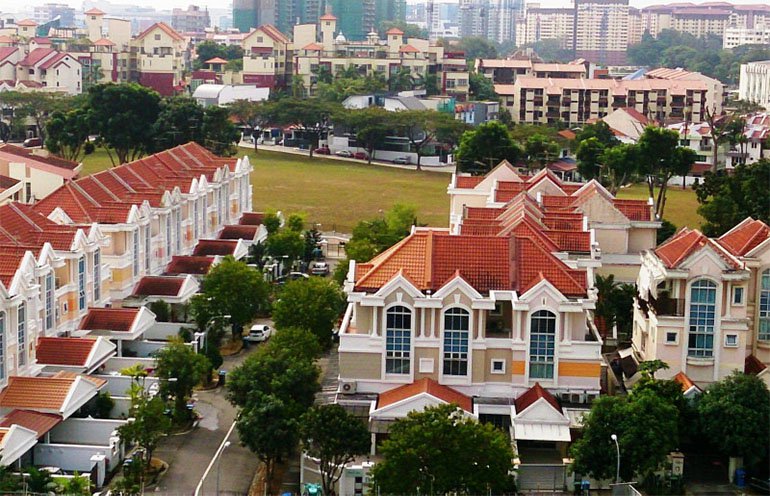
Tebing Lane is located in the northeastern region of Singapore within the broader Punggol planning area. The neighborhood is closely connected to Punggol New Town, a district known for its smart urban planning, waterfront developments, and family-oriented infrastructure.
One of the defining features of the area is its proximity to the Punggol Waterway. Residents can easily access jogging tracks, cycling paths, outdoor fitness corners, and scenic walking routes. This has helped transform Tebing Lane into more than just a residential zone. It now functions as a lifestyle-centered neighborhood.
The area is served by the Punggol LRT network, particularly through nearby stations that connect commuters to the MRT system efficiently. Daily access to schools, supermarkets, clinics, and shopping malls adds to the convenience.
Nearby landmarks and districts include:
- Punggol Waterway Park
- Waterway Point
- Punggol Settlement
- Edgefield Plains
- Punggol Central
- Northshore Plaza
- Coney Island
Many visitors searching for Tebing Lane are often trying to understand whether the area is purely residential or if it also offers entertainment and dining. The answer is both. It remains primarily residential, but lifestyle infrastructure has expanded considerably over the last decade.
Why Tebing Lane Has Become Increasingly Popular
The popularity of Tebing Lane reflects broader housing and lifestyle trends in Singapore. Residents increasingly prioritize open spaces, waterfront environments, and neighborhoods with less congestion.
Several factors contribute to the area’s growing appeal.
Waterfront Lifestyle
Unlike dense urban neighborhoods dominated by traffic and commercial towers, Tebing Lane benefits from the calm atmosphere created by nearby waterways and park connectors. Evening walks along the water have become part of the neighborhood culture.
Family-Friendly Environment
Families are drawn to the area because of:
- Playgrounds
- Preschools
- Schools nearby
- Safer pedestrian spaces
- Community facilities
- Open-air recreational zones
The area feels noticeably more spacious compared to older housing estates.
Connectivity Without Downtown Stress
Residents can still reach central Singapore through the MRT network while enjoying a quieter home environment. Many professionals working in business districts prefer returning to calmer residential areas after work.
Café and Food Growth
Smaller cafés, casual eateries, and local food outlets have gradually increased around Punggol and Tebing Lane. This has created a more balanced lifestyle ecosystem where residents do not always need to travel elsewhere for dining options.
Popular Food Categories Around Tebing Lane
| Food Type | What People Like |
|---|---|
| Local Hawker Food | Affordable meals and familiar flavors |
| Cafés | Coffee culture and weekend brunch |
| Waterfront Dining | Scenic evening meals |
| Fast Casual Restaurants | Convenient family dining |
| Dessert Spots | Bubble tea, waffles, cakes, ice cream |
Café Culture Near Tebing Lane
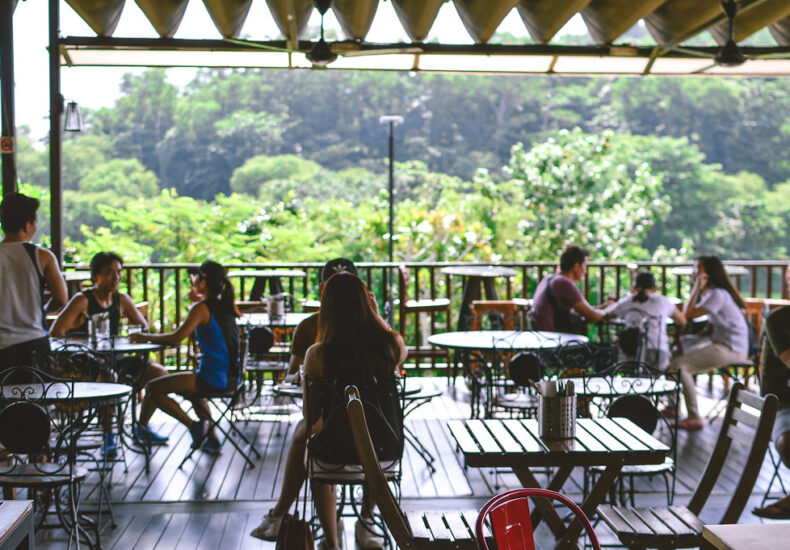
The café scene around Punggol has expanded steadily. Many cafés cater to residents who want relaxed weekend brunch experiences without traveling to central Singapore.
Common café offerings include:
- Artisan coffee
- Western brunch menus
- Pasta dishes
- Pastries
- Specialty desserts
- Pet-friendly seating
The waterfront setting enhances the café experience, especially during evenings and weekends.
Affordable Everyday Dining
One reason locals appreciate the area is the accessibility of affordable meals. Residents can still find practical daily food options without paying premium downtown prices.
Many eateries serve:
- Chicken rice
- Noodle dishes
- Western fusion meals
- Seafood
- Korean food
- Japanese rice bowls
- Halal-friendly meals
This balance between casual dining and convenience makes the area attractive to both families and younger residents.
Who Usually Lives Here?
The neighborhood attracts several demographics:
| Resident Type | Main Appeal |
|---|---|
| Young Families | Schools and parks |
| Couples | Affordable modern housing |
| Professionals | Quiet environment |
| Retirees | Walkability and greenery |
| Investors | Long-term area growth |
Daily Lifestyle Experience
Life around Tebing Lane tends to feel slower and more residential compared to central districts. Residents often describe the atmosphere as:
- Peaceful
- Community-oriented
- Scenic
- Convenient
- Relaxed
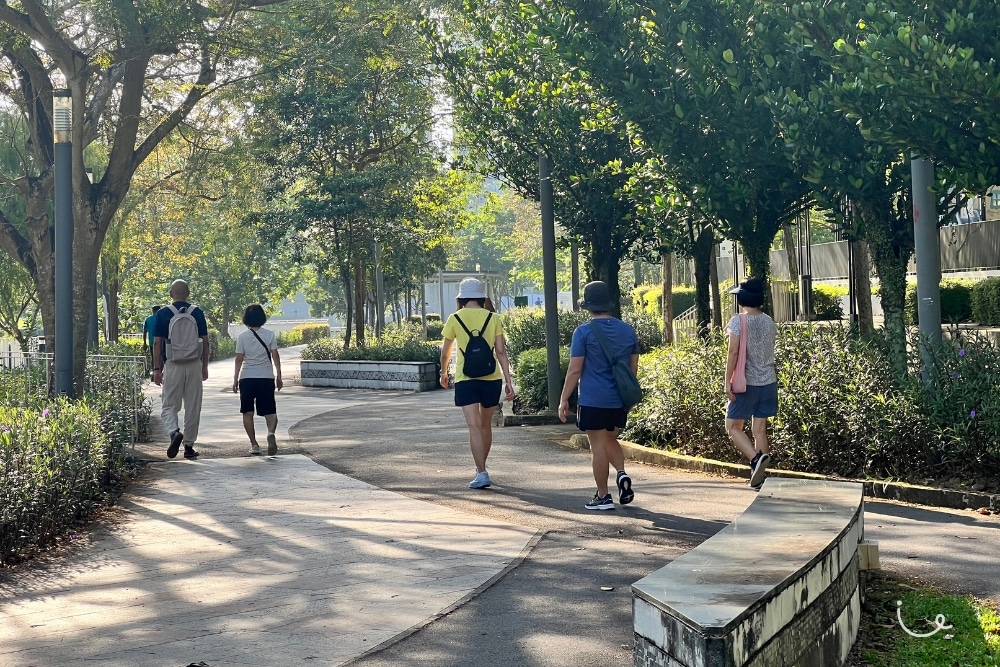
Morning joggers, cyclists, evening walkers, and families with children are common sights around the waterway areas.
Noise levels also tend to be lower than highly commercialized neighborhoods.
Transport and Connectivity
Transport access is a major concern for people researching Tebing Lane, especially potential residents.
Fortunately, the area benefits from Singapore’s efficient transport planning.
Public Transport
The Punggol LRT system connects the neighborhood to:
- Punggol MRT Station
- Bus interchanges
- Shopping centers
- Nearby residential zones
Residents can transfer from the North East Line to other MRT routes for city access.
Road Connectivity
Drivers benefit from access to:
- Tampines Expressway (TPE)
- Kallang–Paya Lebar Expressway (KPE)
- Seletar Expressway (SLE)
Travel times to central areas remain manageable despite the northeastern location.
Cycling Infrastructure
One underrated feature of Tebing Lane is its cycling connectivity. Punggol’s cycling network is among Singapore’s better-planned residential cycling systems.
Cyclists can travel conveniently through park connectors and waterfront routes.
Punggol Waterway Park
This remains one of the biggest recreational highlights in the region. Residents use the park for:
- Running
- Cycling
- Photography
- Picnics
- Family outings
The waterfront environment creates a calmer urban atmosphere rarely found in denser districts.
Waterway Point
Waterway Point functions as the area’s primary lifestyle mall. It includes:
- Restaurants
- Supermarkets
- Retail brands
- Cinema
- Cafés
- Family entertainment
The mall plays a central role in daily convenience for nearby residents.
Coney Island
Nature lovers appreciate the accessibility of Coney Island. The island offers:
- Cycling trails
- Rustic landscapes
- Birdwatching
- Nature photography opportunities
It provides an escape from heavily urbanized environments without leaving Singapore.
Schools and Educational Access
Families often search for Tebing Lane because of educational considerations.
Nearby educational institutions include:
- Preschools
- Primary schools
- Secondary schools
- Enrichment centers
- Tuition hubs
Access to schools remains one of the strongest factors supporting long-term residential demand in Punggol.
The neighborhood design also supports safer student commuting through pedestrian pathways and sheltered walkways.

Property Trends and Real Estate Interest
Property interest around Tebing Lane has grown steadily alongside broader development in Punggol.
Why Buyers Consider the Area
Several real estate factors support demand:
- Modern HDB layouts
- Waterfront appeal
- Growing infrastructure
- Family-oriented planning
- Future regional development potential
Compared to older mature estates, newer homes here often appeal to younger buyers seeking updated designs.
Rental Demand
Rental interest has also increased due to:
- Professional tenants
- Young couples
- Expats seeking quieter areas
- Budget-conscious renters
The balance between affordability and lifestyle continues driving interest.
Potential Long-Term Value
Urban planners and property analysts often point to northeastern Singapore as an area with continuing development potential.
As infrastructure improves further, Tebing Lane may continue gaining attention among buyers seeking long-term residential value.
Advantages and Challenges of Living at Tebing Lane
A balanced guide should also discuss practical limitations.
Advantages
| Benefit | Why It Matters |
|---|---|
| Waterfront environment | Better lifestyle quality |
| Modern housing | Improved living comfort |
| Family-friendly design | Good for children |
| Cycling access | Healthier mobility |
| Nearby malls | Daily convenience |
Challenges
| Challenge | Consideration |
|---|---|
| Distance from CBD | Longer commute for some workers |
| Limited nightlife | Quieter after late evening |
| Growing population | Busier public spaces during peak hours |
| Fewer luxury options | Less premium retail compared to city center |
For many residents, however, the advantages outweigh the limitations.
Best Things To Do Around Tebing Lane
People searching for activities near Tebing Lane often want practical lifestyle ideas rather than tourist attractions.
Here are some of the most popular activities among locals:
Evening Waterfront Walks
The waterway paths become especially pleasant after sunset when temperatures cool down.
Café Hopping
Residents frequently explore nearby brunch cafés during weekends.
Cycling Routes
Punggol’s cycling infrastructure supports longer leisure rides connecting multiple neighborhoods.
Family Picnics
Open park spaces make the area suitable for relaxed family gatherings.
Photography
The waterfront skyline, bridges, and park scenery attract photography enthusiasts.
Local Insights Most Guides Miss
Many online guides focus only on transport or housing statistics. What they miss is the lifestyle rhythm that makes Tebing Lane attractive.
The Area Feels Less Compressed
Compared to older estates, pedestrian movement feels more open. Wider pathways and waterfront spacing create a more breathable atmosphere.
Residents Spend More Time Outdoors
Unlike districts where residents mainly move between transport and indoor malls, Tebing Lane encourages outdoor activity.
The Neighborhood Continues Evolving
New food spots, retail developments, and community spaces continue appearing gradually. The district still feels like a growing neighborhood rather than a fully saturated one.
It Appeals to Different Age Groups
Families, professionals, retirees, and students all use the area differently, yet the infrastructure supports each group relatively well.
Tebing Lane Compared With Other Singapore Neighborhoods
| Area | Main Character | Best For |
|---|---|---|
| Tebing Lane | Waterfront residential lifestyle | Families and professionals |
| Tiong Bahru | Heritage and cafés | Trend-focused residents |
| Orchard | Retail and luxury | Shopping lifestyle |
| Tampines | Regional convenience | Large family living |
| Bishan | Central accessibility | Balanced commuting |
Tebing Lane stands out most for combining newer infrastructure with outdoor lifestyle appeal.
Practical Tips for Visiting or Moving to Tebing Lane
Visit During Different Times
The atmosphere changes significantly between weekdays and weekends. Evening visits offer a better sense of the neighborhood lifestyle.
Explore Beyond Main Roads
Some of the better cafés and quieter waterfront areas sit slightly away from busier routes.
Consider Transport Habits
If daily commuting to central Singapore is required, check MRT and LRT travel times carefully.
Walk the Waterway
Experiencing the waterfront firsthand gives a better understanding of why residents enjoy the area.
FAQ Section
What is Tebing Lane known for?
Tebing Lane is known for its residential environment, waterfront lifestyle, modern HDB housing, nearby cafés, and proximity to Punggol Waterway Park.
Is Tebing Lane a good place to live?
Many residents consider Tebing Lane a good place to live because of its quieter atmosphere, family-friendly environment, outdoor spaces, and convenient amenities.
Are there good food options near Tebing Lane?
Yes. The area offers cafés, casual restaurants, local food stalls, dessert shops, and waterfront dining options around Punggol.
Which MRT station is closest to Tebing Lane?
The area connects through the Punggol LRT system, which links residents to Punggol MRT Station on the North East Line.
Is Tebing Lane suitable for families?
Yes. Families are attracted by schools, playgrounds, parks, community facilities, and pedestrian-friendly infrastructure.
What attractions are near Tebing Lane?
Popular nearby attractions include Punggol Waterway Park, Waterway Point, Coney Island, and waterfront cycling routes.
Is Tebing Lane expensive?
Compared to prime central districts, Tebing Lane is generally considered more affordable while still offering modern infrastructure and lifestyle convenience.
You may also like
Leave a Reply