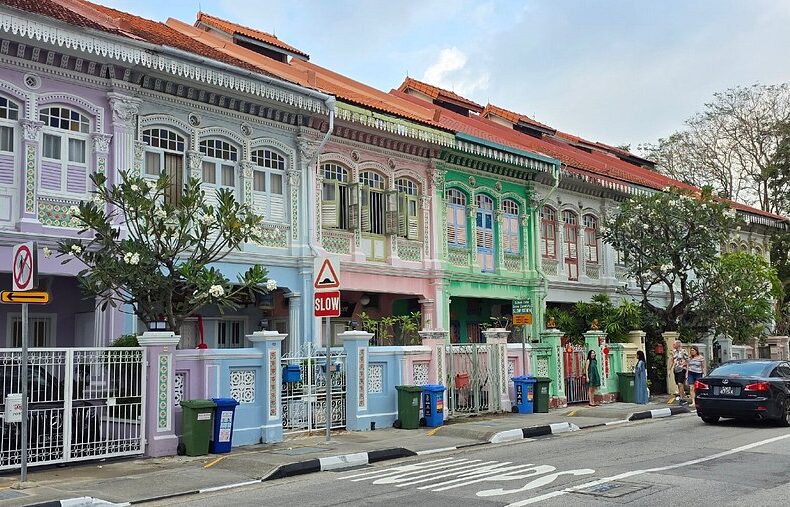
Koon Seng Road: Singapore’s Most Colourful Heritage Street
Have you ever seen a photo of a row of brightly painted houses in Singapore and wondered where it was taken? Chances are, you were looking at Koon Seng Road.
Located in the heart of the Katong and Joo Chiat area, Koon Seng Road has become one of Singapore’s most photographed streets. The colourful Peranakan houses lining the road attract photographers, tourists, and even locals looking for a different side of the city.
But there’s much more to Koon Seng Road than Instagram-worthy pictures.
Behind those vibrant facades is a fascinating story of culture, architecture, and heritage that reflects an important part of Singapore’s history. Whether you’re a Singapore resident planning a weekend walk or someone curious about local heritage, this guide will help you understand why Koon Seng Road continues to capture attention year after year.
By the end of this article, you’ll know what makes Koon Seng Road special, when to visit, what to see nearby, and how to make the most of your trip.
Why Is Koon Seng Road Famous?
Most people first hear about Koon Seng Road because of its colourful houses.
The row of beautifully restored Peranakan terrace homes has become one of Singapore’s most recognizable heritage landmarks. Their bright colours, decorative tiles, carved wooden doors, and intricate details make them stand out from modern buildings across the city.
However, their popularity goes beyond appearance.
These houses represent a unique period in Singapore’s development when Peranakan families played an important role in shaping local culture. The architecture combines Chinese, Malay, and European influences, creating a style that is distinctly Singaporean.
This blend of cultures is one of the reasons Koon Seng Road remains a favourite destination for both locals and visitors.
The History of Koon Seng Road
To understand the importance of Koon Seng Road, it helps to look back at the history of the Katong and Joo Chiat neighbourhoods.
In the early 20th century, this area became a popular residential district for wealthy Peranakan families. Many of the houses that still stand today were built during the 1920s.
At the time, homeowners wanted their properties to reflect both their success and cultural identity. This led to the creation of elaborate homes featuring decorative tiles, colourful facades, and detailed craftsmanship.
As Singapore modernised, many historic buildings disappeared. Fortunately, conservation efforts helped protect parts of the Katong-Joo Chiat area, including the famous terrace houses on Koon Seng Road.
Today, these preserved homes offer a glimpse into Singapore’s architectural and cultural heritage.
Understanding Peranakan Culture
You can’t fully appreciate Koon Seng Road without understanding Peranakan culture.
The Peranakans are descendants of early Chinese settlers who married local Malay women. Over generations, they developed a unique culture that blended traditions from different communities.
This influence can be seen throughout the area.
Architecture
Peranakan architecture often includes:
- Colourful exterior walls
- Decorative ceramic tiles
- Ornate plasterwork
- Intricately carved wooden doors
- Traditional “pintu pagar” entrance gates
Food
The neighbourhood is also famous for Peranakan cuisine, including:
- Laksa
- Ayam Buah Keluak
- Nyonya Kueh
- Otah
Traditions
Peranakan culture places strong emphasis on family, craftsmanship, hospitality, and preserving heritage.
Walking along Koon Seng Road is like seeing these traditions reflected in architecture.
What Makes the Houses So Unique?
At first glance, the houses appear similar.
Look closer and you’ll notice that every home has its own personality.
The colour combinations vary dramatically. Some feature pastel blues and pinks, while others showcase bright greens, yellows, and purples.
Many visitors spend time studying the details:
- Hand-painted tiles
- Decorative window shutters
- Floral motifs
- Geometric patterns
- European-inspired columns
The craftsmanship is remarkable.
Even after nearly a century, many original design elements remain intact, making these homes some of the best examples of preserved Peranakan architecture in Singapore.
Best Time to Visit Koon Seng Road
Timing can make a big difference to your experience.
Early Morning
This is often the best option.
Benefits include:
- Softer lighting for photography
- Fewer crowds
- Cooler temperatures
- Better opportunities to appreciate the architecture
Late Afternoon
Another excellent choice.
The warm sunlight highlights the colours of the houses and creates attractive shadows for photographs.
Weekdays vs Weekends
Weekdays are generally quieter.
Weekends can become crowded, especially when guided tours arrive or social media trends bring more visitors to the area.
If you’re looking for a peaceful walk, weekday mornings are ideal.
Photography Tips for Koon Seng Road
Koon Seng Road is one of Singapore’s top photography spots.
If you want better photos, keep these tips in mind.
Respect Residents
This is the most important rule.
The houses are private residences, not museum exhibits.
Avoid:
- Standing on private property
- Blocking entrances
- Looking through windows
- Creating excessive noise
Use Natural Light
Morning and late afternoon provide the best lighting conditions.
Midday sunlight can create harsh shadows and washed-out colours.
Capture the Details
Don’t focus only on wide shots.
Some of the most interesting photos come from close-ups of:
- Tiles
- Doorways
- Decorative carvings
- Window frames
These details tell the story of the neighbourhood.
Things to Do Near Koon Seng Road
One common mistake is spending only ten minutes on Koon Seng Road and leaving.
The surrounding area offers plenty to explore.
Explore Joo Chiat
Joo Chiat is known for:
- Heritage shophouses
- Independent cafés
- Traditional bakeries
- Boutique stores
A short walk can reveal hidden gems around almost every corner.
Enjoy Local Food
The Katong area is one of Singapore’s best food destinations.
Popular options include:
- Katong Laksa
- Peranakan restaurants
- Traditional coffee shops
- Local dessert stores
Food lovers can easily spend an entire afternoon here.
Visit Heritage Landmarks
Several heritage buildings and cultural sites are located nearby.
These locations help provide context for the architecture and culture visible on Koon Seng Road.
Is Koon Seng Road Worth Visiting for Singapore Locals?
Absolutely.
Many locals assume heritage attractions are mainly for tourists.
The reality is that Koon Seng Road offers something different from Singapore’s modern skyline and shopping districts.
It provides an opportunity to reconnect with the country’s cultural roots.
You don’t need a full day.
Even a one-hour walk can be enjoyable, especially when combined with lunch in Katong or a café stop in Joo Chiat.
For families, photographers, architecture enthusiasts, and history lovers, the area offers plenty to appreciate.
Common Mistakes Visitors Make
Many first-time visitors make the same errors.
Here are a few to avoid.
Treating the Area Like a Theme Park
Remember that people live here.
Respect privacy and keep noise levels low.
Rushing Through
Take time to notice the architectural details.
The beauty of Koon Seng Road is often found in small design elements.
Missing the Surrounding Neighbourhood
The road itself is only part of the experience.
Exploring nearby streets adds much more value to your visit.
Why Koon Seng Road Matters Today
Singapore changes quickly.
New developments continue to reshape the city landscape.
Because of this, preserved heritage areas become increasingly important.
Koon Seng Road serves as a reminder that progress and preservation can exist together.
The colourful houses help tell the story of communities that contributed to Singapore’s identity. They also show how architectural conservation can keep history alive for future generations.
For many visitors, the street becomes more than just a photo opportunity. It becomes a chance to understand a different side of Singapore.
Conclusion
Koon Seng Road is one of Singapore’s most charming heritage destinations. While its colourful Peranakan houses attract attention, the real value lies in the stories behind them.
From its rich cultural history to its beautiful architecture, Koon Seng Road offers a unique glimpse into Singapore’s past. Add nearby food, heritage attractions, and the lively atmosphere of Katong and Joo Chiat, and you have a destination that’s worth exploring even if you’ve lived in Singapore for years.
If you haven’t visited yet, set aside a morning or afternoon this week and take a walk through the neighbourhood. You’ll gain a deeper appreciation for one of Singapore’s most distinctive heritage areas.
Frequently Asked Questions
1. Why is Koon Seng Road famous?
Koon Seng Road is famous for its colourful Peranakan terrace houses. These preserved heritage homes showcase unique architectural details and reflect Singapore’s multicultural history.
2. Can visitors enter the houses on Koon Seng Road?
Most houses are private residences. Visitors can admire and photograph them from public areas but should respect residents’ privacy and avoid entering private property.
3. What is the best time to visit Koon Seng Road?
Early morning and late afternoon are generally the best times to visit. The lighting is better for photography, temperatures are cooler, and crowds are usually smaller.
4. How much time should I spend at Koon Seng Road?
Most visitors spend between 30 minutes and 1 hour exploring the street. If you include nearby Katong and Joo Chiat attractions, you can easily turn it into a half-day outing.
5. Is Koon Seng Road free to visit?
Yes. Koon Seng Road is a public street and can be visited without paying an entrance fee. Visitors are welcome to walk around and enjoy the architecture at any time.
You may also like
Leave a Reply