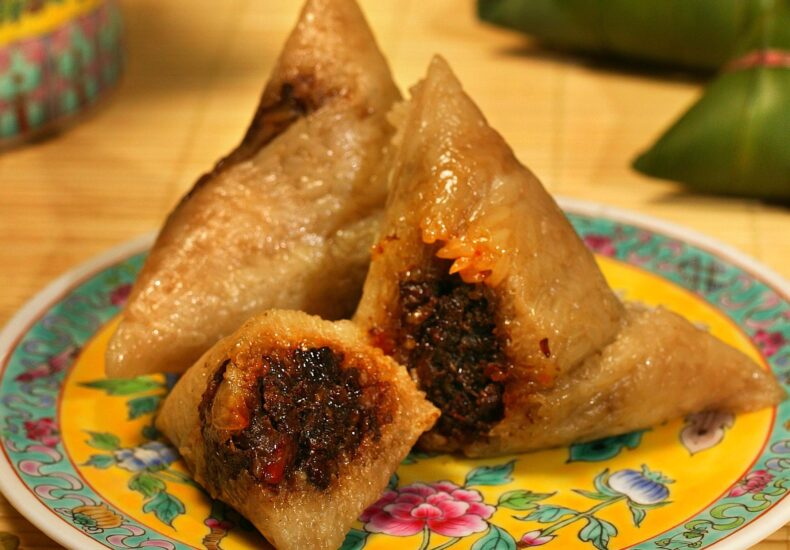
Kim Choo Dumpling Guide: Best Flavours & Buying Tips
If you’ve ever walked through Joo Chiat during the Dragon Boat Festival season, you’ve probably noticed long queues forming outside Kim Choo. And if you’re new to Singapore’s food scene, you might be wondering what makes a Kim Choo dumpling so special.
The short answer? It’s not just a rice dumpling. For many Singaporeans, Kim Choo represents decades of family traditions, Peranakan heritage, and flavours that have been passed down through generations.
But here’s where many first-time buyers get stuck. Which dumpling should you choose? Is it worth the price? What’s the difference between Nyonya chang and bak chang?
This guide answers those questions and more. By the end, you’ll know exactly which Kim Choo dumpling to try, what makes it unique, and how to get the best experience from one of Singapore’s most iconic food brands.
The Story Behind Kim Choo Dumpling
Before talking about flavours, it’s worth understanding why Kim Choo has become such a household name.
Kim Choo Kueh Chang began in 1945 as a small family business. What started as a humble operation gradually grew into one of Singapore’s most recognised Peranakan food brands.
Unlike many modern food businesses that focus on mass production, Kim Choo built its reputation through traditional recipes and handmade preparation methods. The company became especially famous for its Nyonya rice dumplings, which combine Chinese and Malay culinary influences.
Today, many Singaporeans associate Kim Choo dumpling products with festive gatherings, family celebrations, and Dragon Boat Festival traditions.
That’s a big reason why the brand continues to attract both older customers and younger food lovers looking to experience authentic local flavours.
What Makes a Kim Choo Dumpling Different?
Walk into any supermarket and you’ll find rice dumplings. So why do people specifically seek out Kim Choo?
The answer comes down to three things.
Traditional Nyonya Recipes
Kim Choo’s signature recipes reflect Peranakan cooking traditions. These recipes balance sweet, savoury, and aromatic flavours in a way that’s different from standard Chinese dumplings.
Quality Ingredients
A good rice dumpling depends on more than sticky rice.
The filling, seasoning, bamboo leaves, and cooking process all matter. Kim Choo is known for maintaining consistent quality across its products.
Heritage and Authenticity
Food isn’t just about taste.
Many customers buy Kim Choo dumplings because they remind them of childhood memories, family gatherings, and Singapore’s multicultural food heritage.
That emotional connection is difficult for competitors to replicate.
Most Popular Kim Choo Dumpling Flavours
One of the biggest questions people ask is:
“Which Kim Choo dumpling should I try first?”
Let’s break down the most popular choices.
Nyonya Chang
This is the signature Kim Choo dumpling.
It contains seasoned pork, candied winter melon, spices, and glutinous rice wrapped in bamboo leaves.
What makes it unique is the sweet-and-savoury combination.
If you’re trying Kim Choo for the first time, this is usually the safest choice.
Best for:
- First-time buyers
- People who enjoy balanced flavours
- Fans of Peranakan cuisine
Traditional Bak Chang
Bak chang is more savoury than Nyonya chang.
The filling typically focuses on marinated meat, mushrooms, and rich seasoning without the sweetness found in Nyonya versions.
Best for:
- Meat lovers
- People who prefer savoury foods
- Traditional Chinese dumpling fans
Salted Egg Dumpling
Salted egg yolk has become incredibly popular across Asia.
Kim Choo’s salted egg dumpling adds a creamy, rich texture that complements the sticky rice.
Best for:
- Fans of salted egg dishes
- Those looking for a richer flavour profile
Chicken Dumpling
Not everyone eats pork.
Chicken dumplings provide a lighter alternative while still delivering satisfying flavour.
Best for:
- Chicken lovers
- Families with mixed dietary preferences
Vegetarian Dumpling
Vegetarian options have become increasingly popular.
These dumplings usually contain mushrooms, vegetables, and plant-based ingredients while maintaining the traditional texture people expect.
Best for:
- Vegetarians
- Health-conscious diners
Nyonya Chang vs Bak Chang: What’s the Difference?
This is probably the most common question among newcomers.
Think of it like choosing between sweet barbecue sauce and a savoury steak rub.
Both are delicious, but they deliver completely different experiences.
Nyonya Chang
Characteristics:
- Slightly sweet
- Includes candied winter melon
- Influenced by Peranakan cooking
- More complex flavour profile
Bak Chang
Characteristics:
- Fully savoury
- Rich meat flavour
- Traditional Chinese style
- Less sweetness
If you’re unsure which to choose, start with Nyonya chang because it’s the flavour most closely associated with the Kim Choo dumpling brand.
Is Kim Choo Dumpling Worth the Price?
Let’s address the question many people quietly ask.
Yes, Kim Choo dumplings often cost more than supermarket alternatives.
However, price alone doesn’t tell the full story.
When customers buy a Kim Choo dumpling, they’re paying for:
- Traditional recipes
- Handmade preparation
- Heritage branding
- Consistent quality
- Premium ingredients
Think of it the same way people choose a famous hawker stall over a generic food court option.
The experience matters just as much as the food itself.
For occasional treats, festive celebrations, or gifts, most customers feel the extra cost is justified.
When Is the Best Time to Buy Kim Choo Dumplings?
You can find Kim Choo products throughout the year.
However, demand peaks during the Dragon Boat Festival.
During this period:
- More flavours become available
- Limited-edition products may be released
- Queues become significantly longer
- Pre-orders become common
If you’re planning to buy dumplings for family gatherings or corporate gifts, ordering early is a smart move.
Waiting until the last minute can mean limited availability.
How to Enjoy a Kim Choo Dumpling Properly
Many people simply heat and eat.
That works.
But there are ways to improve the experience.
Steam Instead of Microwave
Steaming helps preserve texture and moisture.
Microwaving is faster but may slightly affect consistency.
Pair With Tea
Traditional Chinese tea pairs surprisingly well with rice dumplings.
The tea helps balance the richness of the glutinous rice.
Serve Fresh
Freshly heated dumplings always taste better than those left sitting for long periods.
A few extra minutes of preparation can make a noticeable difference.
Why Singaporeans Keep Coming Back
Every famous food brand eventually faces competition.
Yet Kim Choo remains relevant decade after decade.
Here’s why.
Consistency
Customers know what to expect.
The dumpling they buy today tastes similar to the one they enjoyed years ago.
Cultural Connection
Singapore’s food culture values authenticity.
Kim Choo continues to represent an important part of Peranakan culinary heritage.
Family Traditions
Many people first experience Kim Choo dumpling products through parents or grandparents.
Those traditions often continue across generations.
Strong Brand Reputation
Trust matters in food.
When a brand has served customers for decades, people feel more confident making a purchase.
Tips for First-Time Buyers
If you’re buying Kim Choo dumplings for the first time, here’s a simple strategy.
Start With These Flavours
Try:
- Nyonya Chang
- Traditional Bak Chang
- Salted Egg Dumpling
This combination lets you compare sweet, savoury, and premium flavour profiles.
Buy a Small Variety
Don’t commit to a large box immediately.
Sample a few different options first.
Ask Staff for Recommendations
Popular flavours change seasonally.
Staff members often know which products customers are buying most frequently.
Consider Festive Collections
Gift boxes and seasonal collections can be great value if you’re purchasing for a family gathering.
The Future of Kim Choo Dumpling
Food trends come and go.
Bubble tea explodes in popularity. Viral snacks dominate social media for a few months. Then something new arrives.
Kim Choo has survived because it isn’t chasing trends.
Instead, it focuses on preserving recipes that people genuinely enjoy.
At the same time, the company has shown a willingness to introduce new flavours and limited-edition products that appeal to younger consumers.
That balance between tradition and innovation is likely why the brand continues to thrive.
Conclusion
A Kim Choo dumpling is more than a convenient meal. It’s a small piece of Singapore’s food heritage wrapped inside bamboo leaves.
Whether you choose the classic Nyonya chang, a savoury bak chang, or a modern salted egg version, you’re experiencing flavours that have been enjoyed by generations of Singaporeans.
If you’re new to Kim Choo, start with the signature Nyonya chang and compare it with a traditional bak chang. That simple tasting experience will help you understand why so many locals remain loyal to the brand.
Pick one flavour this week, share it with family or friends, and discover which Kim Choo dumpling becomes your personal favourite.
Frequently Asked Questions
1. What is the most popular Kim Choo dumpling?
The Nyonya Chang is generally considered the most popular Kim Choo dumpling. Its unique sweet-and-savoury filling reflects traditional Peranakan flavours and is often recommended to first-time buyers.
2. What is the difference between Kim Choo Nyonya Chang and Bak Chang?
Nyonya Chang includes sweet ingredients such as candied winter melon, while Bak Chang focuses on savoury meat and mushroom flavours. The taste profiles are quite different despite both being rice dumplings.
3. Can I buy Kim Choo dumplings all year round?
Yes. Many Kim Choo dumpling varieties are available throughout the year. However, the widest selection is usually offered around the Dragon Boat Festival season.
4. Are Kim Choo dumplings suitable for gifting?
Absolutely. Many Singaporeans purchase Kim Choo dumplings as gifts during festive periods because of the brand’s strong reputation and heritage value.
5. How should I store and reheat Kim Choo dumplings?
Store them according to the packaging instructions. For best results, steam the dumplings before serving. Steaming helps maintain texture and flavour better than microwaving.
You may also like

Leave a Reply