
Register Company Singapore: Complete 2026 Guide for Entrepreneurs
Singapore remains one of the world’s most attractive destinations for entrepreneurs and investors. Its stable economy, transparent regulations, strategic location, and business-friendly tax system make it an ideal place to start a company.
If you plan to Register Company Singapore, understanding the process before you begin can save time, reduce costs, and help you stay compliant. Whether you are a local entrepreneur, startup founder, or foreign investor, Singapore offers a straightforward incorporation process supported by modern digital systems.
This guide explains everything you need to know, including company structures, registration requirements, incorporation steps, costs, timelines, compliance obligations, and common mistakes to avoid. By the end, you will have a clear roadmap for setting up a successful business in Singapore.
Why Singapore Is a Preferred Business Destination
Singapore consistently attracts entrepreneurs from around the world because of its strong legal framework and pro-business environment.
Some major advantages include:
- Fast company incorporation process
- Political and economic stability
- Strong intellectual property protection
- Access to international markets
- Competitive corporate tax rates
- 100% foreign ownership allowed
- Excellent banking infrastructure
Many startups and multinational corporations choose Singapore as their regional headquarters due to its reputation as a trusted global business hub.
Furthermore, investors often view Singapore-registered companies as more credible and reliable compared to businesses operating in less regulated jurisdictions.
As a result, entrepreneurs looking to expand across Asia frequently choose to Register Company Singapore as their first step toward regional growth.
Business Structures Available in Singapore
Before starting the incorporation process, selecting the right business structure is essential.
Sole Proprietorship
A sole proprietorship is owned and managed by one individual.
Benefits include:
- Easy registration
- Lower setup costs
- Minimal administrative requirements
However, the owner remains personally liable for all debts and obligations.
Limited Liability Partnership (LLP)
An LLP combines partnership flexibility with limited liability protection.
This structure is often suitable for:
- Consultants
- Professional firms
- Service providers
Partners generally enjoy protection from liabilities arising from another partner’s actions.
Private Limited Company (Pte Ltd)
The Private Limited Company is the most popular structure in Singapore.
Key advantages include:
- Separate legal entity
- Limited liability protection
- Greater credibility
- Easier fundraising opportunities
- Tax benefits
Most entrepreneurs who Register Company Singapore choose the Pte Ltd structure because it supports long-term business growth and scalability.
Company Registration Requirements in Singapore
Before incorporation, certain requirements must be fulfilled.
Approved Company Name
Your proposed business name must:
- Be unique
- Not infringe trademarks
- Avoid prohibited or offensive terms
The name must receive approval before incorporation can proceed.
At Least One Resident Director
Singapore law requires companies to appoint at least one locally resident director.
This may include:
- Singapore Citizens
- Permanent Residents
- Certain work pass holders
Foreign founders often use nominee director services if necessary.
Shareholder Requirements
A company may have:
- One to fifty shareholders
- Individual or corporate shareholders
- Local or foreign ownership
Singapore allows 100% foreign ownership for many businesses.
Registered Office Address
Every company must maintain a registered Singapore address for official correspondence.
P.O. Boxes are generally not accepted.
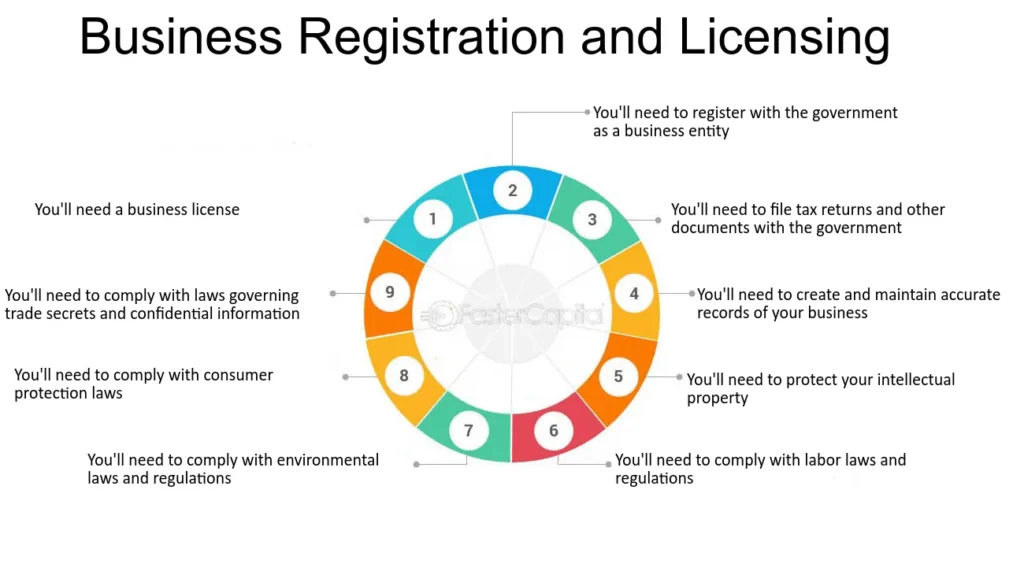
Company Secretary
A qualified company secretary must be appointed within six months after incorporation.
Step-by-Step Process to Register Company Singapore
Understanding the registration procedure helps ensure a smooth experience.
Step 1: Choose a Business Structure
Evaluate your business goals, risk exposure, and future expansion plans.
For most startups and growing businesses, a Private Limited Company is the preferred option.
Step 2: Reserve Your Company Name
Submit your proposed company name for approval.
If approved, the name is typically reserved for a specified period.
Step 3: Prepare Required Documents
Common documents include:
- Identification documents
- Residential address proof
- Shareholder information
- Director details
Foreign applicants may need additional verification documents.
Step 4: Submit Incorporation Application
The application is submitted through Singapore’s business registration system.
Information generally includes:
- Company activities
- Share capital
- Directors
- Shareholders
- Registered address
Step 5: Receive Incorporation Approval
Once approved, the company receives official registration documentation.
Many applications are processed within one to three business days.
Step 6: Complete Post-Incorporation Tasks
After you Register Company Singapore, important follow-up actions include:
- Opening a business bank account
- Appointing a company secretary
- Maintaining accounting records
- Understanding tax obligations
Costs and Timeline for Singapore Company Incorporation
One of the biggest questions entrepreneurs ask involves setup costs.
Government Fees
Typical official fees include:
- Company name reservation
- Company incorporation filing
Government charges are generally affordable compared to many international jurisdictions.
Service Provider Fees
Additional costs may apply for:
- Corporate secretarial services
- Registered address services
- Nominee directors
- Compliance support
Foreign founders usually incur higher first-year costs because professional filing assistance is often required.
Expected Timeline
Most straightforward incorporations are completed within:
- Name approval: Hours to one day
- Registration approval: One to three business days
Complex cases may require additional review time.
Tax Benefits and Business Advantages
Singapore’s tax environment remains one of its strongest attractions.
Corporate Tax Benefits
Businesses enjoy:
- Competitive corporate tax rates
- Startup tax exemptions
- Double taxation treaty network
- No capital gains tax in many situations
These incentives support both startups and established companies.
International Credibility
A Singapore-incorporated company often gains:
- Stronger investor confidence
- Improved banking access
- Better global reputation
- Enhanced partnership opportunities
Therefore, many international entrepreneurs choose to Register Company Singapore when expanding into Asia.
Compliance Requirements After Incorporation
Many business owners focus on registration but overlook ongoing obligations.
Annual Filing Requirements
Companies generally need to maintain:
- Annual returns
- Corporate records
- Financial statements
Compliance helps avoid penalties and regulatory issues.
Tax Filing Obligations
Businesses must understand:
- Corporate income tax requirements
- Tax deadlines
- Record-keeping obligations
Proper Accounting Practices
Maintaining organized financial records supports:
- Tax compliance
- Funding applications
- Business growth planning
Many new founders find compliance management more challenging than incorporation itself.
Common Mistakes to Avoid During Company Registration
Entrepreneurs can avoid costly delays by understanding common pitfalls.
Choosing the Wrong Structure
Selecting an unsuitable entity may create future legal or tax challenges.
Ignoring Compliance Requirements
Some founders assume obligations begin only after generating revenue.
In reality, compliance requirements often start immediately after incorporation.
Underestimating Setup Costs
Certain services may involve additional fees.
Review service packages carefully before making commitments.
Using Incomplete Documentation
Missing information can delay approval and create unnecessary complications.
Careful preparation helps streamline the incorporation process.
1. Can foreigners register a company in Singapore?
Yes. Foreigners can own 100% of a Singapore company, although specific local requirements must still be met.
2. How long does it take to register company Singapore?
Most applications are approved within one to three business days when documentation is complete.
3. What is the best business structure for startups?
A Private Limited Company (Pte Ltd) is generally the preferred structure for startups due to liability protection and growth potential.
4. Is a local director required?
Yes. Companies must appoint at least one resident director in Singapore.
5. What happens after incorporation?
You must manage compliance obligations, maintain records, file taxes, and meet annual reporting requirements.
Conclusion
Choosing to Register Company Singapore can be one of the smartest decisions for entrepreneurs seeking growth, credibility, and access to global markets. Singapore offers a streamlined incorporation process, strong legal protections, attractive tax incentives, and a highly supportive business ecosystem.
Before starting, it is important to select the right business structure, understand registration requirements, prepare the necessary documents, and plan for ongoing compliance obligations. Taking these steps early can help avoid delays and create a solid foundation for long-term success.
Whether you are launching a startup, expanding an existing company, or entering the Asian market for the first time, Singapore provides an excellent environment for business growth.
Start your company registration journey today and position your business for future success.
You may also like



Leave a Reply