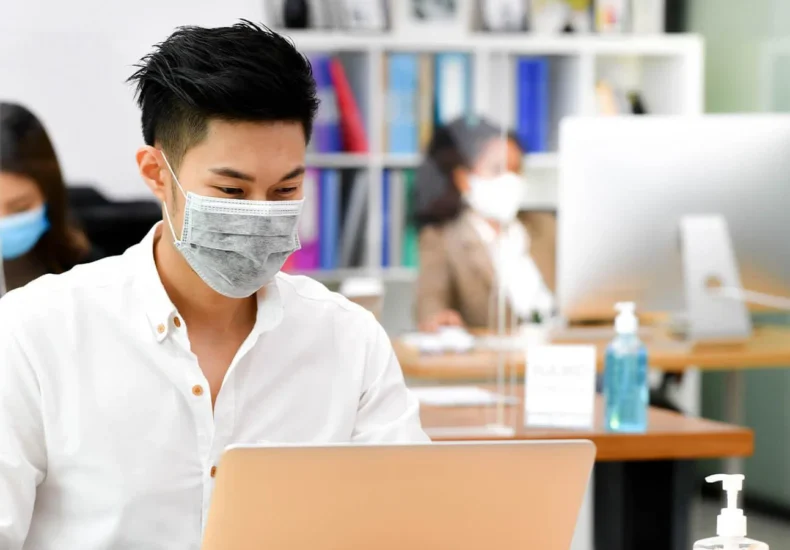
Safe Management Measures Explained: Inside Workplace Safety Rules Shaping Modern Public
Safe management measures refer to structured safety protocols designed to reduce health risks in workplaces, public environments, and high-density spaces. These measures became globally recognized during the COVID-19 pandemic, when governments needed fast, scalable systems to control infection spread without shutting down entire economies.
At their core, safe management measures combine public health science, workplace regulation, behavioral control, and compliance systems into one framework. They are not just temporary emergency rules; they evolved into long-term safety models used in offices, transport systems, education centers, and hospitality sectors.
In countries such as Singapore, structured frameworks were widely adopted under national public health authorities, often cited by global institutions like the World Health Organization. Similar frameworks were later analyzed in economic and policy discussions by organizations such as the World Bank.
Understanding safe management measures today means understanding how modern societies balance health protection, economic activity, and behavioral regulation in real time.
What Are Safe Management Measures?
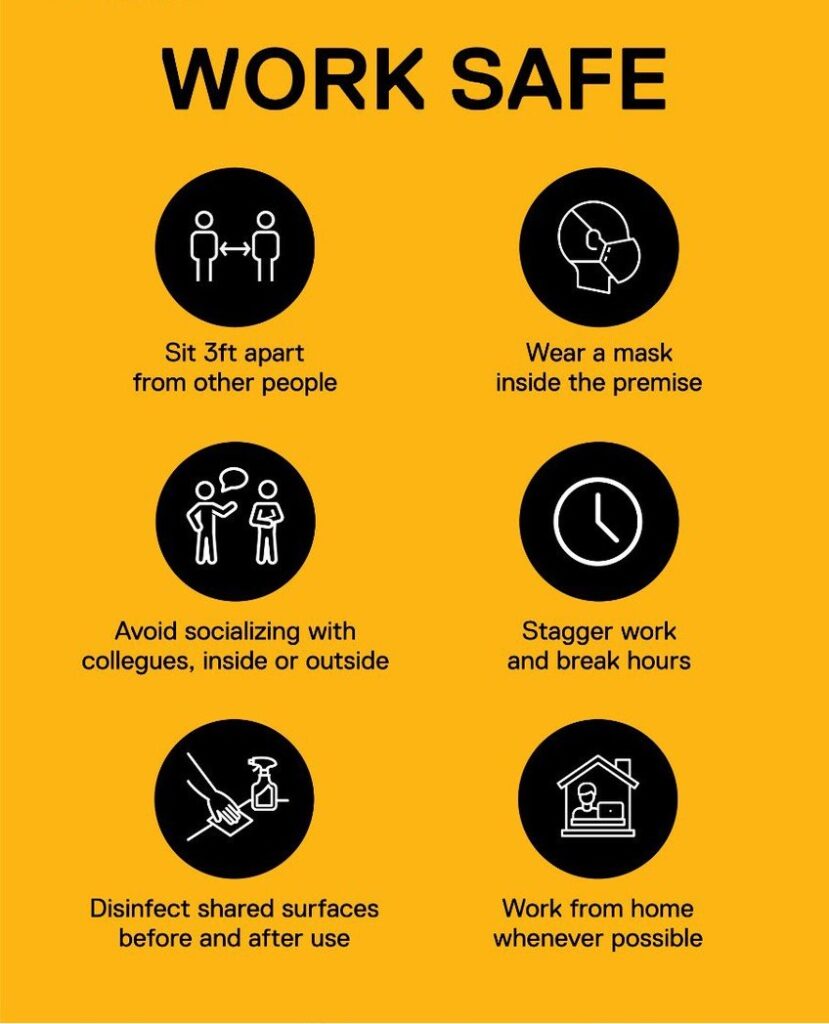
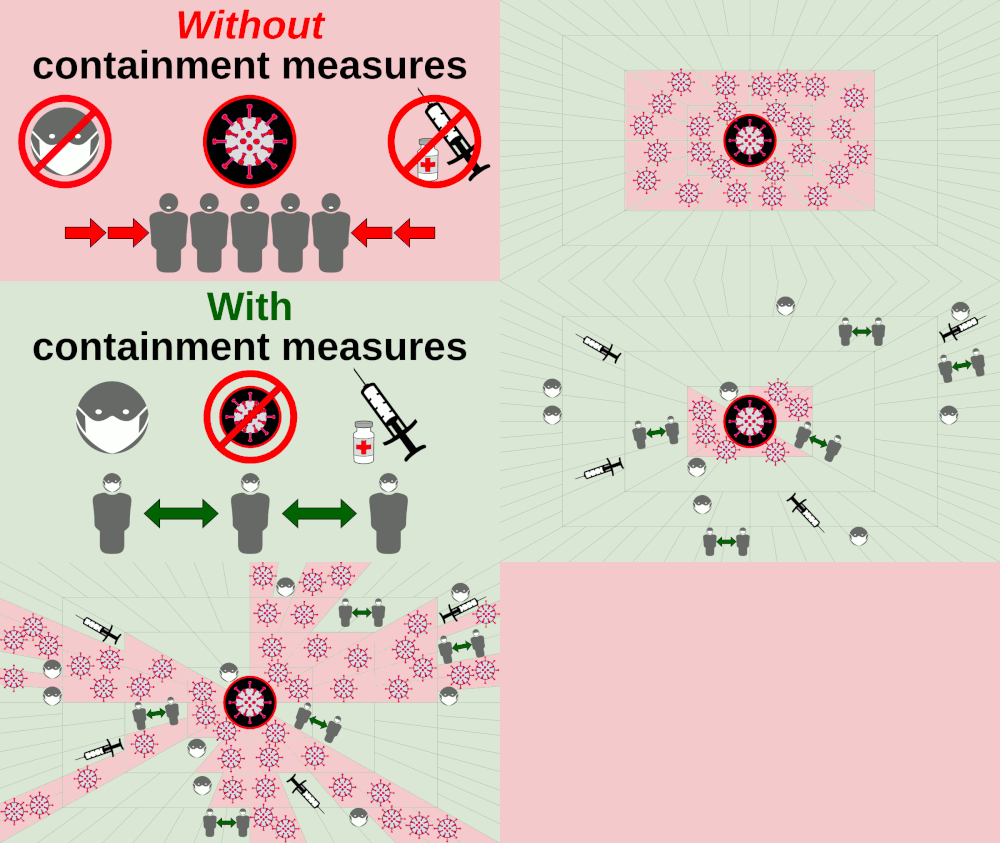
Safe management measures (SMMs) are coordinated guidelines that regulate how people interact in shared spaces to reduce transmission risks of infectious diseases. These measures typically include:
- Controlled workplace occupancy
- Mask usage policies
- Hygiene and sanitation systems
- Contact tracing and monitoring
- Social distancing rules
- Ventilation requirements
Unlike traditional safety regulations that focus on physical hazards, SMMs focus on biological risk control. They operate across multiple environments at once—offices, public transport, retail spaces, and events.
During the pandemic, governments used SMMs as a flexible alternative to full lockdowns, allowing economic activity to continue under controlled conditions.
Search Intent Behind Safe Management Measures
People searching for this topic typically fall into three intent groups:
1. Informational Intent
- What are safe management measures?
- Why were they introduced?
- How do they work?
2. Policy/Regulation Intent
- Workplace safety compliance rules
- Government health guidelines
- Legal obligations for businesses
3. Practical Implementation Intent
- Office safety protocols
- Event capacity rules
- Business reopening strategies
This article is structured to match all three intents in a single topical cluster.
Evolution of Safe Management Measures
Safe management measures did not remain static. They evolved through distinct phases shaped by infection waves, economic pressure, and scientific updates.
Phase 1: Emergency Response Systems
Early SMMs focused on immediate containment:
- Nationwide restrictions on movement
- Closure of non-essential businesses
- Strict gathering limits
- Mandatory face coverings
This phase prioritized speed over flexibility.
Phase 2: Controlled Reopening Frameworks
As economies reopened, governments introduced structured systems:
- Workforce segmentation (“team bubbles”)
- Rotational office attendance
- Staggered business hours
- Capacity-controlled public spaces
Phase 3: Adaptive Risk Management
SMMs became more data-driven:
- Real-time infection tracking
- Targeted restrictions by region
- Digital health declarations
- Workplace audit systems
Phase 4: Post-Pandemic Integration
Today, SMM principles influence:
- Workplace safety laws
- Building ventilation standards
- Emergency preparedness systems
- Public health infrastructure planning
Core Components of Safe Management Measures
Safe management measures function through interconnected systems rather than isolated rules.
Workplace Density Control
Offices regulate the number of people per space to reduce close-contact exposure risks.
Hygiene Infrastructure
Includes sanitizer stations, cleaning protocols, and shared surface disinfection.
Mask and Respiratory Protection
Widely implemented during peak outbreak periods and still used in healthcare environments.
Digital Monitoring Systems
Contact tracing apps and health declaration systems became essential tools.
Environmental Safety Controls
Ventilation improvements and air filtration systems gained long-term importance.
Comparison: Pre-SMM vs Post-SMM Workplaces
| Factor | Pre-SMM Workplace | Post-SMM Workplace |
|---|---|---|
| Office layout | Dense seating | Spaced configurations |
| Meetings | Fully in-person | Hybrid/virtual |
| Hygiene | Basic cleaning | Structured sanitization |
| Health tracking | None | Digital systems |
| Flexibility | Fixed attendance | Hybrid models |
This transformation permanently reshaped corporate environments.
Government Role in Safe Management Measures
Governments played a central role in designing and enforcing SMM frameworks. Enforcement typically included:
- Workplace inspections
- Compliance reporting systems
- Fines for violations
- Public health advisory updates
In Singapore, structured enforcement models became widely studied in global policy discussions and referenced by international institutions and media outlets such as the The New York Times and Forbes for their effectiveness in balancing safety and economic continuity.
Economic Impact of Safe Management Measures
Safe management measures had both stabilizing and disruptive effects on global economies.
Positive Economic Outcomes
- Rapid adoption of remote work systems
- Growth in digital communication tools
- Expansion of e-commerce and logistics
- Increased investment in health technology
Negative Economic Pressure
- Hospitality industry contraction
- Travel and tourism disruption
- Small business revenue decline
- Event cancellation losses
The shift forced companies to rethink operational models, particularly in service-based industries.
Safe Management Measures in Workplaces Today
Modern workplaces still reflect SMM principles, even without formal restrictions.
Hybrid Work Models
Companies continue balancing office and remote work structures.
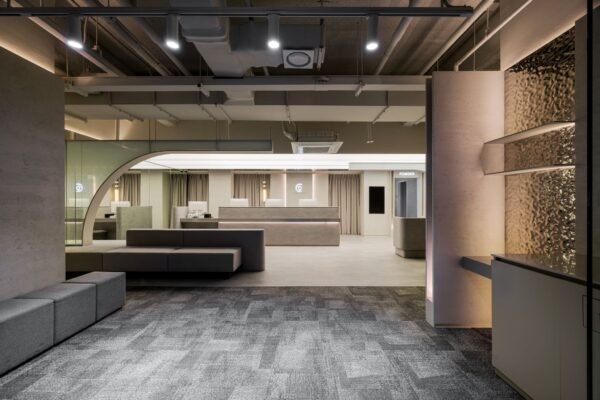
Health-Conscious Office Design
- Improved airflow systems
- Open-space flexibility
- Reduced overcrowding
Digital HR Systems
- Health monitoring dashboards
- Attendance tracking tools
- Remote collaboration platforms
These systems are now considered part of standard corporate infrastructure.
Sector-Wise Impact of Safe Management Measures
Healthcare
Strengthened infection control protocols and hospital preparedness.
Education
Shifted toward blended learning models and digital classrooms.
Retail
Introduced queue management and capacity control systems.
Transportation
Adopted controlled boarding systems and hygiene enforcement.
Safe Management Measures and Technology
Technology played a critical role in enabling SMM systems:
- Mobile contact tracing apps
- AI-driven crowd monitoring
- QR code entry systems
- Workplace compliance dashboards
These systems transformed public health enforcement into a data-driven ecosystem.
Challenges in Implementing Safe Management Measures
Despite effectiveness, SMMs faced real-world challenges:
- Public fatigue and compliance decline
- Business operational constraints
- Uneven enforcement across regions
- Rapid policy changes
Governments had to constantly balance strict control with public adaptability.
Future of Safe Management Measures
Safe management measures are no longer seen as temporary emergency tools. They now function as:
- Pandemic preparedness frameworks
- Workplace safety standards
- Public health infrastructure models
- Crisis response systems
Future versions are expected to integrate:
- AI-based outbreak prediction
- Smart building monitoring systems
- Automated health screening technologies
FAQ: Safe Management Measures
1. What are safe management measures?
They are structured health and safety guidelines designed to reduce disease spread in public and workplace settings.
2. Why were safe management measures introduced?
They were introduced to manage COVID-19 transmission while maintaining economic activity.
3. Are safe management measures still used?
Yes, many principles are now integrated into modern workplace and health systems.
4. What is included in SMM?
Mask rules, distancing, hygiene systems, and workplace capacity controls.
5. Which country is known for SMM implementation?
Singapore is widely referenced for structured implementation.
6. Do SMM affect businesses?
Yes, they influence workplace design, operations, and staffing models.
7. Are SMM legally required?
In some regions during emergencies, they were mandatory; today they are mostly guidelines.
8. How did SMM impact employees?
It changed work patterns, introducing hybrid and remote models.
9. What industries were most affected?
Hospitality, travel, retail, and events industries.
10. Will SMM return in future pandemics?
Yes, similar frameworks are expected in future health crises.
You may also like
Leave a Reply