Chinatown Street Market: A Local Guide to Singapore’s Hidden Gems
Have you ever walked past Chinatown in Singapore and wondered if the street market is actually worth stopping for, especially when we already have so many modern shopping malls around us?
The answer is yes — but maybe not for the reasons you expect.
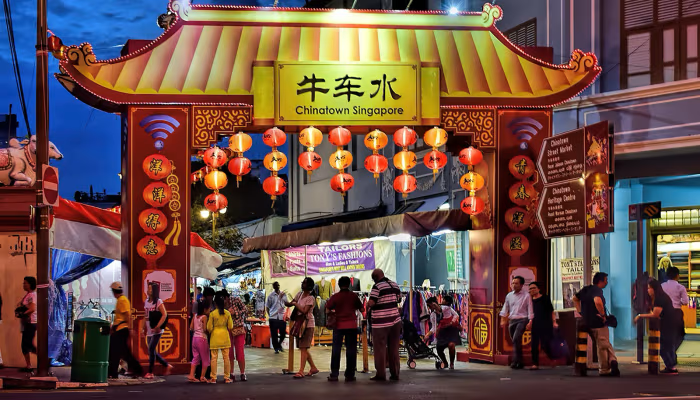
The Chinatown Street Market is more than a place to buy souvenirs. It is where old Singapore meets the present day, with traditional snacks, heritage buildings, Chinese crafts, street food aromas, and neighbourhood stories packed into a few lively streets.
Whether you are a Singapore local looking for a weekend outing, someone searching for affordable gifts, or simply curious about the culture behind one of Singapore’s most famous areas, this guide will help you explore Chinatown like someone who knows the place.
We’ll cover what to buy, what to eat, the best time to visit, hidden spots nearby, and how to avoid wasting your money.
What Makes Chinatown Street Market Special?
Many people imagine a street market as just rows of stalls selling cheap items. But Chinatown is different because it combines shopping, history, food, and culture in one walkable area.
Located around the historic Chinatown district, the market stretches through streets such as Pagoda Street, Trengganu Street, Temple Street, Sago Street, and parts of Smith Street.
The first thing you notice is the atmosphere.
Colourful lanterns hang above the streets. Traditional shophouses line both sides. Vendors display everything from Chinese handicrafts to snacks, while nearby restaurants serve dishes that have been part of Singapore’s food culture for decades.
For locals, the charm is not only about buying things. It is about slowing down and experiencing a side of Singapore that feels different from the usual city routine.
You might spend an afternoon exploring small shops, stop for a bowl of noodles, visit a temple, then end the evening with a drink at a nearby café.
That combination is what keeps people returning.
A Quick Look at Chinatown Street Market History
From Early Chinese Settlement to Modern Attraction
Chinatown has played an important role in Singapore’s history since the early days of the city.
During the 19th century, many Chinese immigrants settled in this area after arriving through the port. The neighbourhood became a centre for trade, family businesses, temples, and community life.
Over time, Singapore changed dramatically. Modern buildings replaced many older structures across the city, but Chinatown preserved much of its original character.
Today, the market area gives visitors a glimpse into that past while still feeling active and modern.
You can walk through restored shophouses, see traditional medicine shops operating beside cafés, and discover family businesses that have survived for generations.
That mix is rare.
Many cities preserve old areas as museums, but Chinatown remains a living neighbourhood.
Best Time to Visit Chinatown Street Market
Timing can completely change your experience.
A visit at noon feels very different from visiting after sunset.
Morning: Best for a Relaxed Walk
If you prefer fewer crowds, morning is a great choice.
The streets are quieter, temperatures are cooler, and you can explore shops without rushing.
Morning visits are ideal if you want to:
- Take photographs
- Explore heritage buildings
- Visit nearby temples
- Enjoy breakfast nearby
The downside is that some stalls may not be fully active yet.
Afternoon: Best for Food and Shopping
Afternoons are when the market starts becoming more energetic.
This is a good time if you want to browse stalls, compare prices, and enjoy nearby food options.
However, Singapore’s heat can make walking uncomfortable, especially during sunny days.
Bring water and wear comfortable shoes.
Evening: The Classic Chinatown Experience
For many visitors, evening is the best time.
The lights come on, the streets become livelier, and the entire area feels more atmospheric.
This is when Chinatown night market experiences become especially enjoyable.
You can:
- Browse illuminated stalls
- Try local snacks
- Take photos with lanterns
- Enjoy dinner nearby
If you only have one chance to visit, evening is usually the safest choice.
What Can You Buy at Chinatown Street Market?
One reason people love Chinatown shopping is the variety.
You can find traditional products, gifts, decorations, and small items that represent Singapore’s multicultural identity.
But remember: not every item is unique. Some products are widely available elsewhere.
The trick is knowing what is actually worth buying.
1. Traditional Chinese Souvenirs
The market is famous for souvenirs.
Popular items include:
- Chinese fans
- Decorative lanterns
- Calligraphy artwork
- Lucky charms
- Traditional ornaments
- Small cultural gifts
These items are especially popular with tourists, but locals also buy them during festivals or when decorating homes.
Chinese New Year is when the market becomes particularly colourful, with stalls selling decorations, snacks, and festive items.
2. Singapore-Themed Gifts
Looking for something to bring overseas?
Chinatown is one of the easiest places to find Singapore-themed gifts.
Common choices include:
- Merlion souvenirs
- Singapore postcards
- Local snack packages
- Small handicrafts
- Cultural decorations
These make convenient gifts because they are lightweight and easy to carry.
3. Chinese Tea and Traditional Products
Tea lovers may enjoy exploring shops selling different varieties of Chinese tea.
You can find:
- Green tea
- Oolong tea
- Pu-erh tea
- Tea sets
- Traditional tea accessories
Some shops allow customers to smell different teas before buying, which makes the experience more personal.
If you are buying tea, ask questions. The quality and pricing can vary a lot.
Chinatown Food Guide: What Should You Eat?
Shopping is only half the Chinatown experience.
The food is where many locals return again and again.
The area around Chinatown has become one of Singapore’s best food destinations, combining hawker classics with modern dining.
Try Local Hawker Favourites
Nearby hawker centres and food streets offer some of Singapore’s most iconic dishes.
Popular choices include:
- Chicken rice
- Char kway teow
- Hokkien mee
- Wanton noodles
- Dim sum
- Traditional desserts
A good strategy is to avoid choosing the first place you see.
Walk around.
Look for stalls with steady crowds, especially local customers. Singaporeans usually know where the good food is.
Chinatown Night Market Food Experience
The evening atmosphere makes eating here more enjoyable.
You can combine a casual food trip with shopping.
A simple evening plan could look like:
- Start with a walk around Pagoda Street
- Browse market stalls
- Visit nearby heritage sites
- Have dinner or snacks
- End with dessert or drinks nearby
It is an easy date idea, family outing, or weekend activity.
Chinatown Singapore Shopping Tips: Spend Smart
Not everything in the market is automatically a good deal.
Here are some simple tips that locals and experienced visitors follow.
Compare Prices Before Buying
Some stalls sell similar products.
Walk around first before purchasing.
A five-minute comparison can save you money.
Check Quality Carefully
For handmade items, look closely.
Check:
- Material quality
- Finishing
- Packaging
- Whether the item feels durable
Some cheaper products are fine for souvenirs, but others may not last long.
Bring Cash
While many places accept digital payments now, having some cash can still be useful.
Small stalls may have different payment preferences, especially during busy periods.
Chinatown Attractions Near the Street Market
One of the best things about Chinatown is that you do not need a car.
Most attractions are within walking distance.
Buddha Tooth Relic Temple
The beautiful architecture makes this one of Chinatown’s most recognisable landmarks.
Visitors can admire the design, learn about Buddhist culture, and enjoy the peaceful atmosphere away from the busy streets.
Sri Mariamman Temple
Singapore’s oldest Hindu temple is another important heritage site nearby.
Its colourful entrance tower and detailed decorations make it a favourite photography spot.
Chinatown Heritage Centre
For those interested in Singapore’s past, this area provides deeper insight into how early immigrant communities lived.
It helps you understand that Chinatown was not just a shopping district — it was once home to thousands of families building new lives.
You may also like
Leave a Reply