
Start Business Singapore: Complete Guide for Entrepreneurs
Singapore has earned a reputation as one of the world’s most business-friendly destinations. Its transparent regulations, strong economy, modern infrastructure, and startup-friendly policies make it attractive to entrepreneurs from around the globe. Whether you are a local founder or an international investor, learning how to Start Business Singapore can open doors to regional and global opportunities.
From company registration and business banking to tax compliance and government grants, there are several important steps involved. Understanding these requirements early can help you avoid delays and unnecessary expenses.
This guide explains everything you need to know about starting a company in Singapore, including legal structures, registration procedures, taxes, funding opportunities, and practical tips for long-term growth.
Why Entrepreneurs Choose Singapore for Business
Many founders choose Singapore because it combines economic stability with a highly supportive business environment.
Key advantages include:
- Fast company registration process
- Strong legal and intellectual property protection
- Competitive corporate tax rates
- Access to international markets
- Skilled workforce
- Government support for startups and SMEs
Singapore also serves as a gateway to Southeast Asia, allowing businesses to reach millions of consumers across the region. Additionally, foreign entrepreneurs can own 100% of a company in many industries, making expansion easier for international investors.
When planning to Start Business Singapore, these benefits often outweigh the initial setup costs and compliance requirements.
Choosing the Right Business Structure
Before you register a company, selecting the correct business structure is essential.
Sole Proprietorship
A sole proprietorship is suitable for freelancers and small business owners.
Benefits include:
- Easy setup
- Lower administrative requirements
- Full control of operations
However, the owner remains personally liable for business debts.
Partnership
A partnership allows two or more individuals to operate a business together.
Advantages include:
- Shared responsibilities
- Combined expertise
- Flexible management
The main drawback is shared liability among partners.
Private Limited Company (Pte Ltd)
Most entrepreneurs prefer a Private Limited Company.
Benefits include:
- Limited liability protection
- Better credibility
- Easier fundraising opportunities
- Potential tax advantages
For most founders planning to Start Business Singapore, the Pte Ltd structure offers the best balance of flexibility and protection.
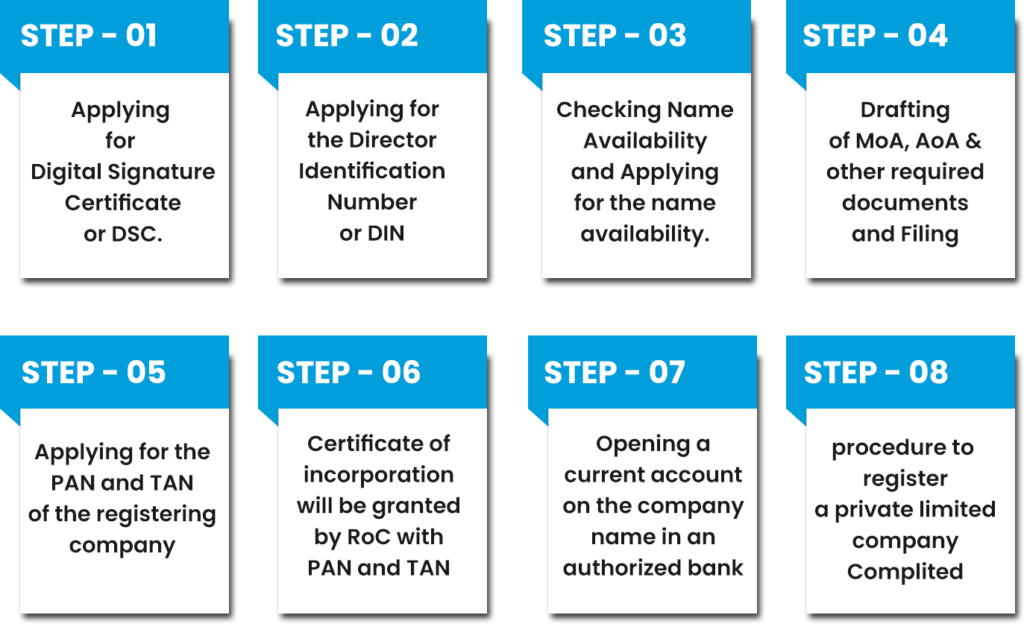
Company Registration Process in Singapore
Registering a company is relatively straightforward when you follow the correct steps.
Step 1: Reserve Your Company Name
Choose a unique business name and submit it for approval.
Ensure the name:
- Is not already registered
- Does not infringe trademarks
- Complies with government regulations
Step 2: Prepare Required Documents
Typical documents include:
- Identification documents
- Company constitution
- Shareholder information
- Director details
Step 3: Appoint Directors and Shareholders
Singapore companies must have:
- At least one shareholder
- At least one director
- A registered local address
Step 4: Register with ACRA
The company is officially incorporated through Singapore’s corporate regulatory authority.
Step 5: Obtain Necessary Licenses
Some industries require additional approvals before operations can begin.
Following these steps carefully can help you Start Business Singapore quickly and efficiently.
Business Licenses and Regulatory Requirements
Not every company requires special permits. However, regulated industries must obtain licenses before conducting business activities.
Examples include:
- Food and beverage businesses
- Financial services
- Healthcare providers
- Educational institutions
- Travel agencies
Before launching, verify whether your industry requires additional approvals.
Failure to secure the correct licenses can result in penalties or delays.
Entrepreneurs planning to Start Business Singapore should always review industry-specific requirements during the planning stage.
Understanding Taxes and Compliance
One reason many founders choose Singapore is its attractive tax system.
Corporate Tax
Singapore maintains a competitive corporate tax framework that encourages business growth. New companies may also qualify for startup tax incentives.
Goods and Services Tax (GST)
Businesses may need GST registration when revenue thresholds are met.
Annual Compliance Requirements
Companies must complete:
- Annual returns
- Financial reporting
- Corporate tax filings
- Corporate secretary obligations
Maintaining compliance helps avoid fines and protects your business reputation.
When you Start Business Singapore, setting up proper accounting systems from day one can simplify future reporting obligations.
Opening a Business Bank Account
A dedicated business bank account is crucial for financial management.
Benefits include:
- Better cash flow tracking
- Professional credibility
- Easier tax reporting
- Separation of personal and business finances
Banks typically request:
- Company registration documents
- Identification documents
- Business activity information
- Shareholder details
Choosing the right banking partner can significantly improve operational efficiency.
Many entrepreneurs who Start Business Singapore prioritize banking arrangements immediately after incorporation to avoid delays in receiving payments.
Government Grants and Startup Support
Singapore offers various support programs designed to help startups and SMEs grow.
Popular support initiatives include:
- Startup funding programs
- Innovation grants
- Digital transformation grants
- International expansion support
- Workforce development incentives
These initiatives can reduce operational costs while accelerating growth. Government agencies actively encourage innovation and entrepreneurship across multiple sectors.
Businesses that Start Business Singapore with a clear growth strategy often benefit significantly from these funding opportunities.
How to Improve Grant Approval Chances
Consider the following:
- Maintain accurate records
- Present realistic business plans
- Demonstrate market potential
- Show long-term sustainability
Preparation can greatly increase your chances of receiving support.
Requirements for Foreign Entrepreneurs
Foreign investors frequently choose Singapore as their regional headquarters.
Several factors contribute to this popularity:
- Strong international reputation
- Foreign ownership opportunities
- Stable political environment
- Access to Asian markets
However, foreign founders should understand additional requirements.
Local Director Requirement
Companies generally need at least one resident director.
Work Pass Considerations
Foreign entrepreneurs who plan to relocate may need appropriate work authorization.
Corporate Service Providers
Many overseas founders work with professional incorporation firms to simplify registration and compliance processes.
Understanding these requirements can make the process of Start Business Singapore much smoother for international entrepreneurs.
Common Mistakes New Business Owners Should Avoid
Many startups encounter preventable challenges during their first year.
Common mistakes include:
Inadequate Market Research
Launching without understanding customer demand can limit growth.
Ignoring Compliance Obligations
Missed filing deadlines may result in penalties.
Poor Financial Planning
Insufficient cash flow forecasting often creates operational difficulties.
Choosing the Wrong Structure
Selecting an unsuitable business entity can affect taxation and liability.
Delaying Professional Advice
Legal, accounting, and tax experts can help prevent costly errors.
Avoiding these mistakes will improve your chances of building a successful company after you Start Business Singapore.
Tips for Long-Term Business Success
Building a company involves more than registration.
Focus on:
- Customer satisfaction
- Consistent branding
- Financial discipline
- Digital marketing
- Innovation
- Employee development
In addition, monitor industry trends regularly and adapt your strategies accordingly.
Successful entrepreneurs continuously evaluate performance and seek opportunities for improvement.
Businesses that Start Business Singapore with a long-term vision are often better positioned for sustainable growth and expansion.
How long does it take to Start Business Singapore?
Most companies can complete registration within a few business days once documentation is prepared.
Can foreigners own 100% of a Singapore company?
Yes. Foreign entrepreneurs can generally own 100% of their company, subject to regulatory requirements.
What is the best structure to Start Business Singapore?
A Private Limited Company is usually the preferred structure because it offers limited liability and growth opportunities.
Do I need a business bank account?
Yes. A separate business account helps manage finances professionally and simplifies tax reporting.
Are startup grants available in Singapore?
Yes. Various government programs support startups, innovation, digital transformation, and business growth.
Conclusion
Choosing to Start Business Singapore can be one of the most strategic decisions for entrepreneurs seeking growth in Asia and beyond. The country offers a supportive business environment, efficient registration procedures, attractive tax policies, and extensive government support programs.
Success, however, requires more than simply registering a company. Entrepreneurs must select the right business structure, remain compliant with regulations, establish strong financial systems, and develop a clear growth strategy.
Whether you are a local founder or an international investor, understanding the process thoroughly will help you avoid common mistakes and build a stronger foundation for your venture. By taking the right steps from the beginning, you can confidently Start Business Singapore and position your company for long-term success.
Start planning today and take the first step toward building a thriving business in one of the world’s leading entrepreneurial hubs.
Leave a Reply