Singapore Primary School Ranking: 15 Powerful Insights Parents Must Know Before
Choosing a primary school can feel like one of the biggest decisions a parent makes.
Many parents spend months researching Singapore primary school rankings, comparing academic performance, checking locations, and speaking with other families. Some even move homes to increase their chances of getting into a preferred school.
But here’s an important question: Does a higher-ranked school automatically mean a better fit for your child?
The answer isn’t always yes.
While rankings provide useful information, they are only one piece of a much larger picture. The best school for one child may not be the best for another. Understanding how Singapore’s primary schools differ can help parents make a more informed and confident choice.
This guide covers everything you need to know about Singapore primary school rankings, how schools are evaluated, the top-performing schools, admission considerations, and practical tips that many parents overlook.

Understanding Singapore’s Primary School System
Singapore’s education system is widely respected around the world for its strong academic standards and structured learning approach.
Primary education typically lasts six years and is divided into:
Lower Primary
Lower primary includes:
- Primary 1
- Primary 2
- Primary 3
- Primary 4
During these years, students build foundational skills in:
- English
- Mathematics
- Mother Tongue Languages
- Science (introduced later)
- Social development
Upper Primary
Upper primary consists of:
- Primary 5
- Primary 6
Students prepare for more advanced learning and develop stronger analytical and problem-solving skills.
The goal is not simply academic excellence but also character development, leadership, and lifelong learning habits.
Why Parents Search for Singapore Primary School Rankings
Parents naturally want the best opportunities for their children.
School rankings often serve as a starting point because they provide insight into:
- Academic achievement
- Student performance
- School reputation
- Educational programs
- Historical outcomes
However, rankings should never be viewed as the only measure of quality.
A school’s culture, environment, teaching approach, and suitability for a child’s personality are equally important.
How Singapore Primary School Rankings Are Evaluated
Unlike some countries, Singapore does not officially publish a comprehensive government ranking list of all primary schools.
However, educational analysts, parents, and independent education platforms often evaluate schools based on several indicators.
Academic Performance
Strong academic outcomes remain one of the most commonly used benchmarks.
Schools with consistently high student achievement often gain greater recognition among parents.
School Reputation
Reputation develops over time through:
- Student success
- Alumni achievements
- Parent feedback
- Community standing
Co-Curricular Activities
Schools offering strong programs beyond academics often attract families seeking balanced development.
Examples include:
- Sports
- Music
- Performing arts
- Robotics
- Leadership programs
Special Programmes
Many leading schools offer:
- Gifted education support
- Bilingual enrichment
- STEM initiatives
- Character development programs
Alumni Networks
Some schools benefit from generations of successful alumni who contribute to the school’s prestige and resources.
Top Singapore Primary Schools Frequently Mentioned by Parents
Several schools consistently appear in discussions about top-performing primary schools.
The following schools are often regarded highly due to their academic results, reputation, and holistic development programs.
| Primary School | Key Strengths |
|---|---|
| Nanyang Primary School | Academic excellence, bilingual focus |
| Tao Nan School | Strong traditions, holistic education |
| Henry Park Primary School | Consistent academic performance |
| Catholic High School | Strong bilingual curriculum |
| Rosyth School | Gifted education preparation |
| Pei Hwa Presbyterian Primary School | Balanced academic environment |
| Ai Tong School | Strong Chinese language emphasis |
| Methodist Girls’ School | Character and academic development |
| Raffles Girls’ Primary School | Strong academic reputation |
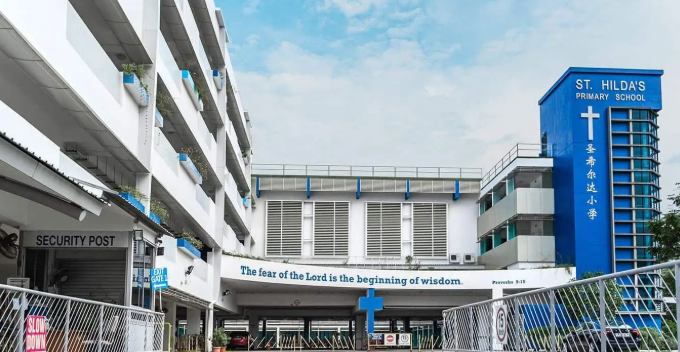
| St. Hilda’s Primary School | Well-rounded student development |
These schools frequently attract high demand during admission exercises.
What Makes a Primary School Truly Outstanding?
Many parents focus exclusively on rankings.
Yet experienced educators often suggest looking beyond academic results.
Strong School Culture
A positive school culture can influence a child’s confidence, motivation, and overall happiness.
Look for schools that promote:
- Respect
- Responsibility
- Kindness
- Collaboration
- Leadership
Dedicated Teachers
Excellent teachers often make a greater difference than rankings.
A supportive teacher can:
- Build confidence
- Encourage curiosity
- Improve academic performance
- Support emotional growth
Student Wellbeing
Modern education places increasing importance on wellbeing.
Schools that balance academic expectations with emotional support often create healthier learning environments.
A Real-Life Example: When Rankings Aren’t Everything
Consider two families.
Family A chooses a highly sought-after school because of its reputation.
Family B chooses a school closer to home with a nurturing environment and excellent teachers.
Five years later, both children perform well academically.
However, Family B’s child enjoys learning, participates actively in school activities, and experiences less daily stress from long travel times.
This example illustrates an important point: school fit can matter just as much as school ranking.
The Impact of Location on School Selection
Location remains one of the biggest factors in Singapore’s school admission process.
Parents often consider:
- Distance from home
- Daily travel time
- Transport convenience
- Family routines
A shorter commute can provide significant benefits.
Advantages of Living Near School
Students often:
- Get more sleep
- Experience less stress
- Have more family time
- Participate in after-school activities more easily
Sometimes a nearby good school may offer greater overall benefits than a distant top-ranked school.
Understanding the Primary One Registration Process
Admission is often one of the most stressful parts of the school journey.
Singapore’s Primary One registration system uses several phases.
Common Admission Factors
Priority may be given based on:
- Sibling enrollment
- Alumni membership
- Parent volunteer work
- Community affiliations
- Home-school distance
Understanding these criteria early can help parents prepare strategically.
Planning Ahead
Many families begin planning years before Primary One registration.
Some common preparations include:
- Researching schools early
- Understanding registration phases
- Considering housing options
- Joining alumni associations where eligible
Early preparation often reduces unnecessary stress later.
Academic Excellence vs Holistic Development
One major debate among parents involves balancing academic achievement with overall development.
Academic-Focused Schools
These schools often emphasize:
- Strong examination performance
- Advanced learning opportunities
- Competitive academic environments
Holistic Schools
These schools may place greater focus on:
- Character development
- Leadership
- Creativity
- Sports participation
- Social skills
The ideal balance depends on your child’s strengths and personality.
Why Singapore’s Education System Stands Out Globally
Singapore regularly performs strongly in international education assessments.
Several factors contribute to this success.
Highly Trained Teachers
Teachers receive extensive professional training and ongoing development.
Rigorous Curriculum
Students develop:
- Critical thinking
- Problem-solving abilities
- Mathematical reasoning
- Language proficiency
Continuous Improvement
Educational policies are regularly reviewed and updated to meet future needs.
This commitment helps maintain educational quality across the country.
Common Myths About Singapore Primary School Rankings
Myth 1: Only Top-Ranked Schools Produce Successful Students
Success depends on many factors, including:
- Family support
- Personal motivation
- Learning habits
- Individual strengths
Students from a wide range of schools achieve remarkable outcomes.
Myth 2: Every Child Thrives in Highly Competitive Schools
Not all children perform best under intense competition.
Some excel in supportive environments that encourage gradual growth.
Myth 3: School Reputation Guarantees Happiness
A prestigious school may not necessarily be the best emotional or social fit.
Student wellbeing remains important.
Factors Parents Should Consider Beyond Rankings
Learning Style Compatibility
Every child learns differently.
Ask yourself:
- Does my child enjoy structured learning?
- Are they independent learners?
- Do they need additional support?
School Values
Review the school’s mission and educational philosophy.
Values alignment can contribute significantly to long-term satisfaction.
Co-Curricular Opportunities
Many children find their passions through activities outside the classroom.
Consider opportunities in:
- Sports
- Arts
- Music
- Technology
- Leadership
Parent-School Partnership
Strong communication between schools and families often benefits students greatly.
Questions Every Parent Should Ask
Before making a final decision, consider these questions:
Will my child feel comfortable in this environment?
How much daily commuting will be required?
Does the school support both academic and personal growth?
Are there opportunities that match my child’s interests?
These questions often reveal more useful insights than rankings alone.
The Role of Character Education
Modern education extends beyond grades.
Many Singapore schools place significant emphasis on character education.
Students learn:
- Integrity
- Responsibility
- Respect
- Resilience
- Empathy
These qualities often contribute to future success in ways that examination scores alone cannot measure.
How Parents Can Support School Success
Even the best school cannot replace strong support at home.
Build Healthy Learning Habits
Encourage:
- Consistent reading
- Time management
- Curiosity
- Positive attitudes toward learning
Focus on Progress
Celebrate improvement rather than comparing children with others.
Encourage Balance
Children need:
- Rest
- Play
- Family time
- Social interaction
Balanced development supports long-term success.
Trends Shaping Singapore Primary Education
Education continues evolving to meet future demands.
Technology Integration
Many schools now incorporate:
- Digital learning platforms
- Coding programs
- Interactive lessons
Future-Ready Skills
Students increasingly develop:
- Communication skills
- Collaboration abilities
- Adaptability
- Creative thinking
Student-Centered Learning
Modern classrooms place greater emphasis on engagement and active participation.
These trends help prepare students for future educational and career pathways.
Frequently Asked Questions About Singapore Primary School Ranking
Which primary school is ranked number one in Singapore?
There is no official government ranking that names a single number one primary school. Schools such as Nanyang Primary School, Tao Nan School, Henry Park Primary School, and Raffles Girls’ Primary School are frequently regarded among the most prestigious.
Are elite primary schools worth the competition?
They can offer strong academic environments and resources. However, parents should also consider their child’s personality, learning style, and wellbeing.
Does living near a school improve admission chances?
Yes. Distance between home and school often plays a role in admission priority during certain registration phases.
Can children succeed in non-elite schools?
Absolutely. Many successful students come from a wide variety of schools across Singapore.
What matters more: rankings or school culture?
Both are important, but school culture often has a lasting impact on a child’s happiness, confidence, and overall development.
Should parents move house for school admission?
This depends on family circumstances. Parents should carefully evaluate long-term lifestyle, financial implications, and educational goals before making such a decision.

Conclusion
Singapore primary school rankings can be a useful starting point, but they should never be the only factor guiding your decision.
A truly good school is one where your child feels supported, challenged, inspired, and happy to learn. Academic performance matters, but so do school culture, teacher quality, location, co-curricular opportunities, and emotional wellbeing.
The most successful parents often look beyond reputation alone. They take time to understand their child’s personality, strengths, and learning needs before choosing a school.
As you begin your search, focus on finding the right fit rather than chasing rankings. Visit schools, ask questions, speak with other parents, and evaluate the complete experience each school offers.
The goal isn’t simply gaining entry into a famous school. The goal is helping your child build a strong foundation for lifelong learning, confidence, and future success.
You may also like

Leave a Reply