Gas Price Singapore: Latest Petrol Trends & Money-Saving Tips
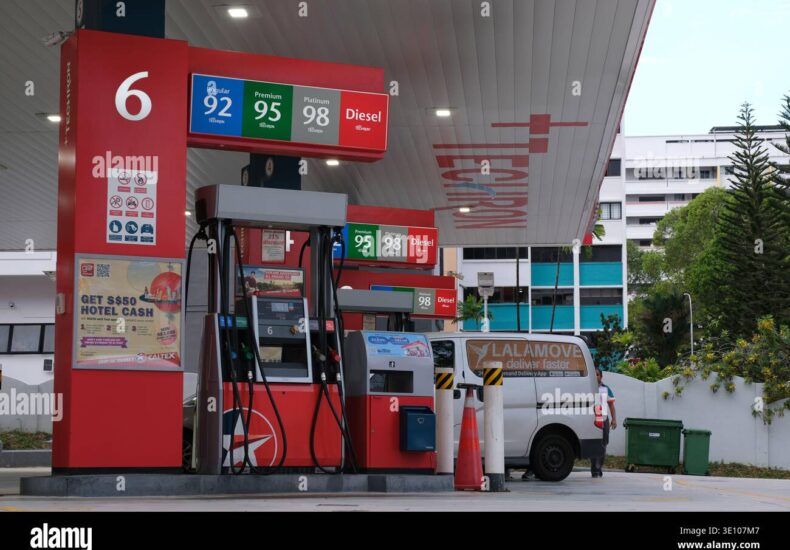
Gas Price Singapore remain one of the biggest recurring expenses for drivers in Singapore. From daily commuters to private-hire drivers and logistics businesses, everyone feels the impact when petrol prices rise. Over the past few years, Singapore motorists have seen significant fluctuations in fuel prices due to global crude oil movements, refining costs, geopolitical tensions, taxes, and supply disruptions.
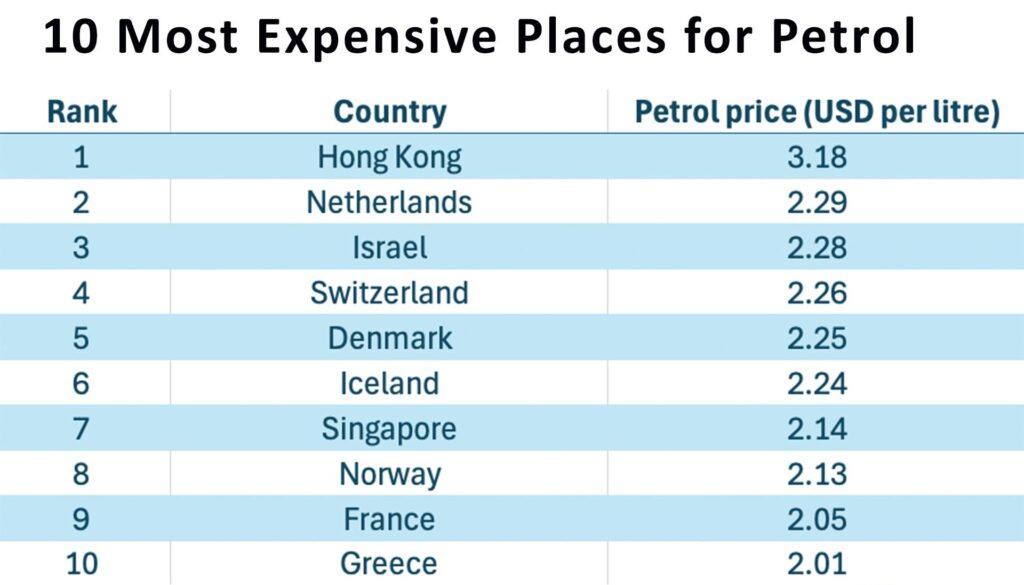
Singapore already ranks among the most expensive places in Asia for vehicle ownership. When rising pump prices are added to ERP charges, parking fees, road taxes, and COE costs, managing transport expenses becomes even more challenging. This is why many drivers actively compare petrol station prices before refueling.
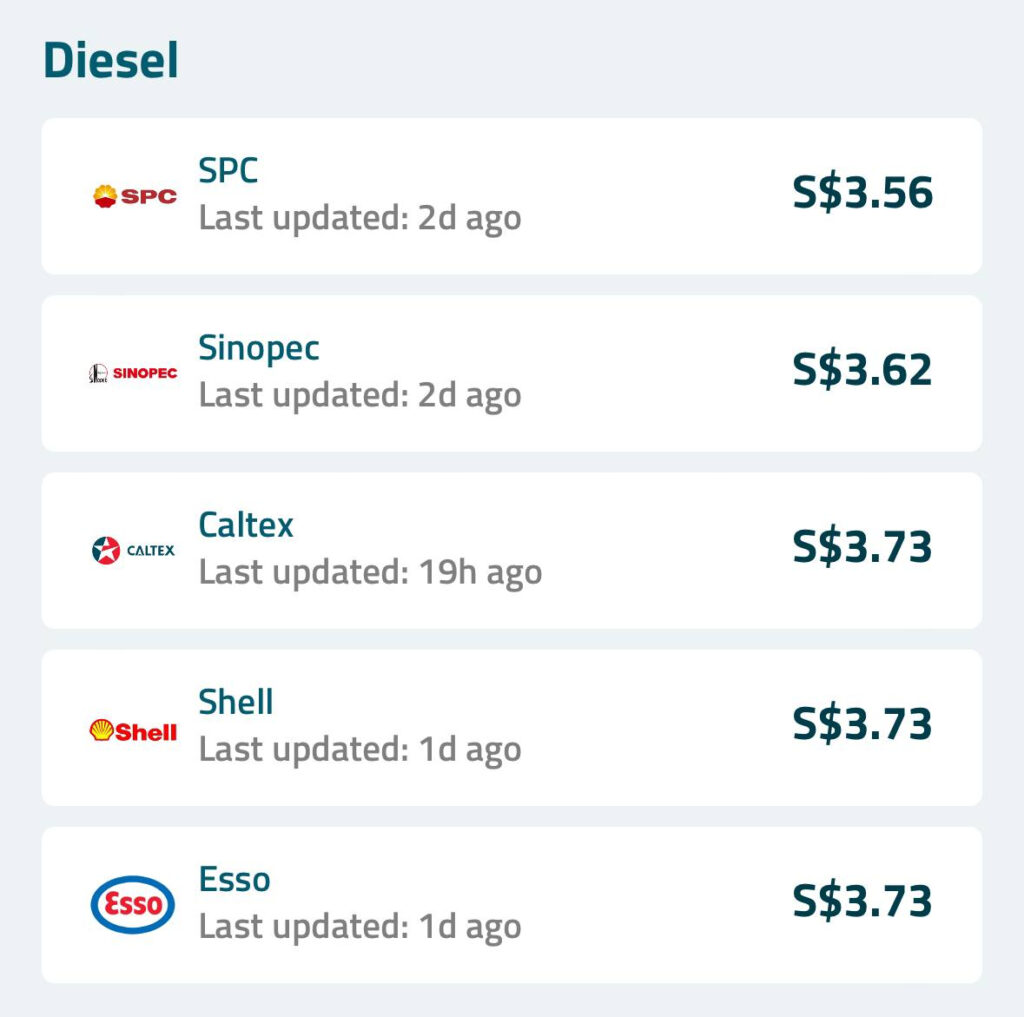
Current market data shows that petrol and diesel prices in Singapore continue to stay elevated in 2026, with several operators adjusting prices multiple times within short periods. Industry tracking platforms indicate that 95-octane petrol generally ranges above SGD 3.40 per litre, while diesel prices have also surged sharply.
Understanding how Singapore fuel pricing works can help drivers make smarter decisions, reduce unnecessary spending, and choose the right fuel grade for their vehicles. This guide covers petrol price trends, fuel comparisons, major fuel brands, discount strategies, and practical ways to save money at the pump.
Why Gas Prices in Singapore Are So High
Singapore imports almost all of its fuel supply, making local petrol prices highly sensitive to international crude oil markets. Unlike countries with domestic oil production, Singapore depends heavily on global refining and shipping networks.
Several factors contribute to higher fuel costs:
- Global crude oil prices
- Refinery operating costs
- Shipping and logistics expenses
- Currency exchange fluctuations
- Fuel excise duties
- Carbon emission policies
- Supply chain disruptions
- Regional geopolitical tensions
Recent developments in the Middle East have created additional pressure on global fuel markets. Reports in 2026 highlighted supply concerns and shrinking oil inventories in Singapore, contributing to price increases across petrol and diesel categories.
Singapore also imposes fuel taxes as part of broader transport and environmental policies. These measures aim to reduce excessive car usage and support long-term sustainability goals. While this helps manage congestion and emissions, it also raises the cost of driving.
Another important factor is land scarcity. Petrol stations in Singapore operate with high rental and operating costs compared to many neighboring countries. These expenses eventually influence retail fuel pricing.
Current Petrol Prices in Singapore
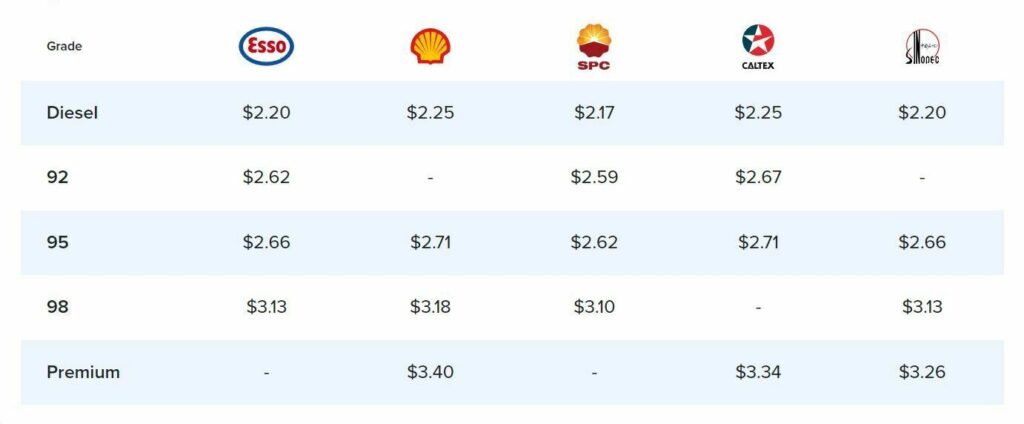
Fuel prices in Singapore vary between brands and fuel grades. Prices also change regularly depending on market conditions.
Here is a general comparison of current pump prices in Singapore based on recent market tracking data:
| Fuel Type | Estimated Price Range (SGD/L) |
|---|---|
| 92 Petrol | 3.39 – 3.43 |
| 95 Petrol | 3.42 – 3.47 |
| 98 Petrol | 3.93 – 3.98 |
| Premium Petrol | 4.10 – 4.20 |
| Diesel | 3.87 – 4.57 |
Among major operators, SPC frequently appears as one of the lower-priced fuel providers for regular petrol grades, while premium fuels can differ significantly across operators.
Drivers should remember that listed pump prices are usually before discounts. Credit card promotions, loyalty programs, and membership rewards can reduce actual costs substantially
Major Petrol Brands in Singapore
Singapore’s fuel market is dominated by several major brands. Each operator offers different pricing strategies, loyalty programs, additives, and station coverage.
Shell
Shell remains one of the most recognized fuel brands in Singapore. The company operates an extensive network of stations and promotes premium fuel formulations designed for engine cleanliness and efficiency.
Shell stations are popular because of:
- Wide station availability
- Loyalty rewards
- Strong brand reputation
- High-quality convenience stores
However, Shell’s premium positioning often means slightly higher pump prices.
Esso
Esso is another major operator with competitive promotions and fuel card partnerships. Many motorists prefer Esso due to cashback opportunities and fuel discounts tied to banking partners.
Esso is known for:
- Frequent promotions
- Synergy fuel technology
- Convenient station locations
- Loyalty rewards programs
SPC
Singapore Petroleum Company often attracts price-conscious drivers because its listed fuel prices are regularly among the lowest in the market.
SPC stations appeal to:
- Budget-conscious motorists
- Taxi drivers
- Delivery drivers
- Frequent commuters
Caltex
Caltex focuses heavily on premium fuel quality and Techron additive technology.
Many drivers choose Caltex for:
- Engine performance claims
- Premium fuel quality
- Loyalty discounts
- Card partnerships
Sinopec
Sinopec operates fewer stations but remains competitive in pricing, especially for premium fuels.
Smart Energy and Cnergy
Newer and smaller operators continue to compete through aggressive pricing strategies. Budget-focused drivers increasingly consider these alternatives when fuel savings matter more than brand loyalty.
Petrol Grades Explained: 92, 95, 98, and Premium
One of the most common questions among drivers involves choosing the correct fuel grade.
92-Octane Petrol
This is the most affordable petrol option available in Singapore. Most standard passenger vehicles can operate efficiently using 92-octane fuel if approved by the manufacturer.
Advantages:
- Lower cost
- Suitable for many everyday cars
- Better for reducing fuel expenses
95-Octane Petrol
95-octane remains the most commonly used fuel grade in Singapore. Many modern cars are optimized for this fuel level.
Benefits include:
- Balanced performance
- Good fuel efficiency
- Widely available
98-Octane Petrol
98-octane petrol is designed for higher-performance engines and luxury vehicles.
Drivers may choose it for:
- Turbocharged engines
- Sports cars
- Performance tuning
For standard cars, using 98-octane often provides minimal real-world benefit compared to 95-octane.
Premium Petrol
Premium fuels include advanced additives marketed for:
- Engine cleaning
- Reduced deposits
- Improved acceleration
- Enhanced engine protection
While some drivers report smoother performance, the cost difference can be significant over time.
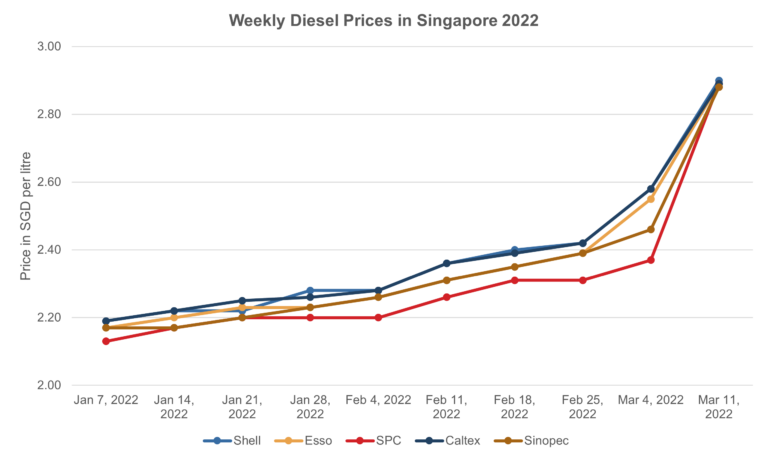
Why Diesel Prices Have Increased Sharply
Traditionally, diesel was cheaper than petrol in Singapore. However, recent market conditions have changed that pattern.
In 2026, diesel prices in Singapore surged beyond some petrol grades due to:
- Tight global diesel supply
- Increased freight demand
- Shipping disruptions
- Refinery constraints
- Higher industrial consumption
Reports showed diesel becoming more expensive than 95-octane petrol in Singapore, an unusual shift in the local fuel market.
This trend has heavily impacted:
- Logistics companies
- Commercial van operators
- Delivery businesses
- Fleet managers
Higher diesel costs also contribute to broader inflation because transportation expenses affect retail pricing across industries.
How Singapore Drivers Can Save Money on Petrol
Reducing fuel expenses requires more than simply choosing the cheapest station. Smart driving habits and strategic fuel purchases can create meaningful savings over time.
Use Fuel Discount Cards
Many banks offer petrol discounts through co-branded fuel cards.
Potential savings include:
- Instant pump discounts
- Cashback rewards
- Loyalty points
- Bonus rebates
Drivers who refuel frequently can save hundreds of dollars annually through optimized card usage.
Compare Fuel Prices Regularly
Petrol prices can vary noticeably between operators. Monitoring price comparison platforms helps drivers identify cheaper stations nearby.
Avoid Aggressive Driving
Rapid acceleration and hard braking increase fuel consumption significantly.
Efficient driving habits include:
- Smooth acceleration
- Maintaining steady speed
- Reducing idling time
- Proper tire pressure maintenance
Reduce Vehicle Weight
Extra cargo increases fuel usage. Removing unnecessary items from the vehicle can improve fuel efficiency slightly.
Plan Trips Efficiently
Combining errands into fewer journeys reduces unnecessary mileage and fuel consumption.
Electric Vehicles and the Future of Fuel Prices
Singapore continues pushing toward cleaner transportation through electric vehicle adoption and sustainability policies.
The government aims to phase out internal combustion engine vehicles gradually while expanding EV charging infrastructure.
This shift could influence future fuel demand by:
- Lowering petrol consumption
- Increasing EV adoption
- Changing station business models
- Reducing diesel vehicle registrations
Singapore has already stopped registering new diesel cars and taxis as part of long-term environmental targets.
Despite this transition, petrol vehicles will remain common for many years, meaning fuel pricing will continue affecting households and businesses.
How Global Events Affect Singapore Petrol Prices
Singapore sits at the center of regional oil trading and refining activity. As a result, international events can quickly impact local pump prices.
Major influences include:
- OPEC production decisions
- Geopolitical conflicts
- Shipping route disruptions
- Refinery outages
- Currency movements
- Global economic growth
In 2026, tensions affecting Middle Eastern oil exports created strong upward pressure on fuel costs globally. Reports highlighted shrinking oil inventories in Singapore alongside rising concerns about supply stability.
Because Singapore imports refined petroleum products and crude oil, global volatility often translates into local price adjustments within days or weeks.
Petrol Discounts and Loyalty Programs in Singapore
Fuel discounts can make a major difference in actual fuel costs. Some motorists focus only on listed pump prices and overlook additional savings opportunities.
Popular discount methods include:
| Savings Method | Typical Benefit |
|---|---|
| Credit Card Rebates | 10%–25% |
| Membership Programs | Reward points |
| Fleet Cards | Commercial discounts |
| Promotional Campaigns | Seasonal savings |
| Partner Retail Rewards | Cashback benefits |
Drivers should compare:
- Base pump price
- Final discounted price
- Reward conditions
- Minimum spending requirements
Sometimes a higher listed price combined with stronger discounts results in better overall savings.
Is Premium Petrol Worth the Extra Cost?
This remains one of the biggest debates among Singapore motorists.
Premium fuels are marketed as improving:
- Engine cleanliness
- Combustion efficiency
- Long-term engine performance
However, for many everyday vehicles, the real-world difference may be small.
Premium petrol may make sense for:
- Luxury vehicles
- High-performance engines
- Turbocharged cars
- Vehicles specifically requiring higher octane
For standard family cars, switching from premium fuel to regular 95-octane can reduce monthly fuel expenses substantially without noticeable performance changes.
Drivers should always follow manufacturer recommendations instead of assuming higher octane automatically improves performance.
Fuel Price Trends in Singapore Over the Years
Singapore fuel prices have experienced several major cycles tied to global oil markets.
Key Historical Trends
| Period | Market Trend |
|---|---|
| 2020 | Pandemic-driven fuel price collapse |
| 2021 | Gradual recovery |
| 2022 | Sharp increase due to energy crisis |
| 2023 | Moderate stabilization |
| 2024 | Continued volatility |
| 2025-2026 | Strong upward pressure |
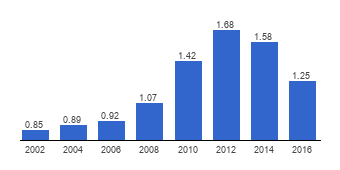
Historical market data shows gasoline prices in Singapore reaching record highs in recent years.
Fuel pricing volatility is likely to remain part of the long-term landscape due to:
- Geopolitical risks
- Energy transition policies
- Climate regulations
- Refining constraints
What Drivers Should Expect Next
Analysts expect continued volatility in fuel prices throughout 2026. Several factors suggest prices may remain elevated:
- Tight global supply
- Regional instability
- High shipping costs
- Strong Asian fuel demand
At the same time, Singapore’s transition toward electric mobility may gradually reduce long-term petrol demand.
Drivers should prepare for:
- More frequent price changes
- Higher diesel costs
- Expanded EV incentives
- Greater fuel efficiency awareness
Motorists who adapt early by improving driving efficiency and monitoring fuel discounts will likely manage rising transport costs more effectively.
Frequently Asked Questions
Why is gas so expensive in Singapore?
Singapore imports almost all its fuel supply and imposes fuel duties and environmental taxes. Global crude oil prices, refining costs, and geopolitical tensions also affect local pump prices.
Which petrol brand is cheapest in Singapore?
Pricing changes frequently, but SPC and some smaller operators often offer lower listed prices compared to larger premium brands. Actual savings depend on discounts and promotions.
Is 98 petrol better than 95?
98-octane fuel is mainly beneficial for high-performance or turbocharged engines. Most regular vehicles operate perfectly well on 95-octane petrol if approved by the manufacturer.
Why is diesel more expensive now?
Global diesel shortages, shipping disruptions, and strong industrial demand have pushed diesel prices above certain petrol grades in Singapore.
How can I reduce petrol costs in Singapore?
Drivers can save money by:
- Using fuel discount cards
- Comparing station prices
- Driving smoothly
- Maintaining proper tire pressure
- Reducing unnecessary trips
Will petrol prices decrease soon?
Fuel prices depend heavily on global oil markets and geopolitical developments. While temporary declines are possible, long-term volatility is expected to continue.
You may also like


Leave a Reply