Electricity Cost Singapore: Save More on Monthly Bills
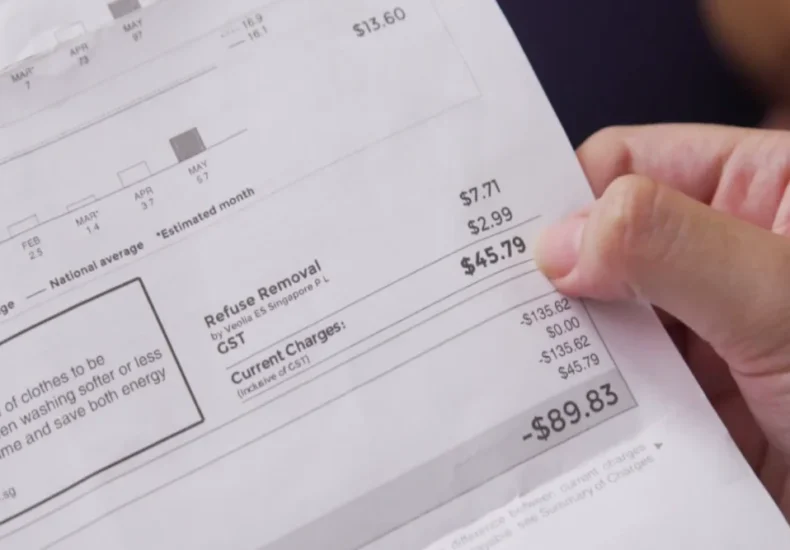
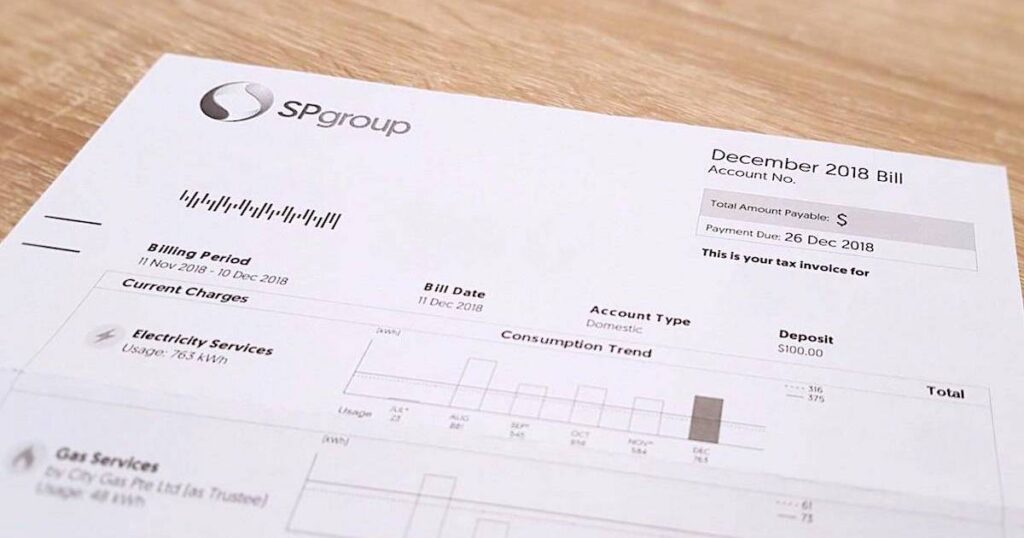
Electricity cost Singapore have become a growing concern for households, tenants, and business owners. Rising fuel prices, climate-related energy policies, and changes in the electricity market have pushed many residents to rethink how they use power at home. A family living in a standard HDB flat today can easily spend more than expected if they rely heavily on air-conditioning, dryers, gaming PCs, or older appliances.
Singapore’s electricity market is also different from many countries. Consumers are no longer limited to one provider. Since the launch of the Open Electricity Market, households can compare electricity retailers, fixed-rate plans, and wholesale pricing structures. That flexibility creates opportunities to save money, but it also makes the market harder to understand for first-time buyers and renters.
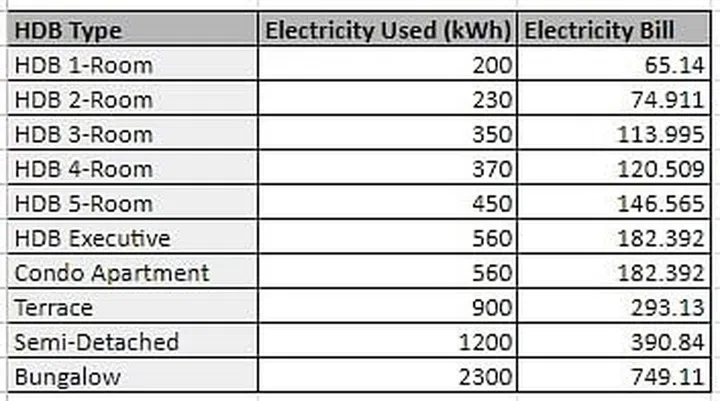
The average residential electricity tariff in Singapore during 2026 ranges between 27 and 33 cents per kWh depending on the provider and market conditions. Household electricity bills commonly fall between S$80 and S$250 per month based on property type, appliance usage, and cooling habits.
This guide explains how electricity pricing works in Singapore, what affects your monthly utility bill, how much different households typically pay, and the smartest ways to reduce electricity costs without sacrificing comfort.
How Electricity Pricing Works in Singapore
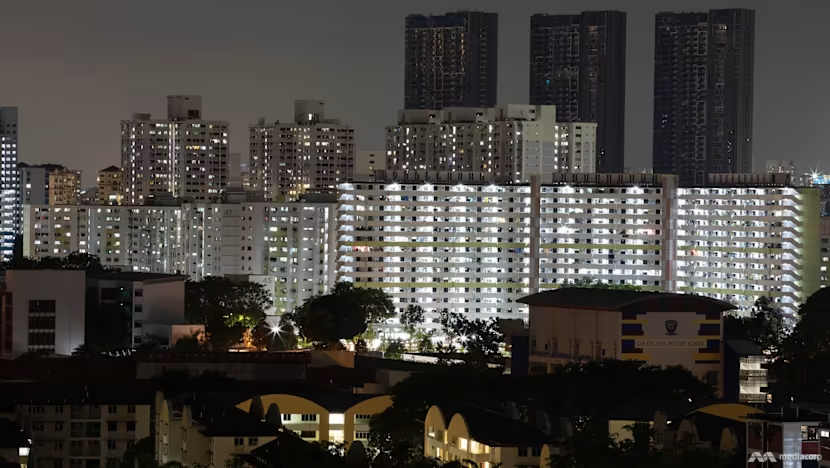
Singapore imports most of its energy resources and relies heavily on natural gas to generate electricity. Because of this, global fuel prices directly influence local electricity tariffs. When international gas prices rise, Singapore households usually see higher utility bills within the next quarter.
Electricity tariffs are reviewed every three months. The pricing framework includes several components such as energy costs, network charges, market administration fees, and support service fees. The largest component is fuel cost, which fluctuates depending on global energy markets.
The country’s electricity system operates under two major options:
| Electricity Option | Description | Suitable For |
|---|---|---|
| Regulated Tariff | Standard pricing tied to quarterly rates | Stable usage households |
| Open Electricity Market Plans | Retailer plans with fixed or discount pricing | Consumers seeking savings |
| Wholesale Electricity Pricing | Half-hour market rates | High-risk, price-sensitive users |
The regulated tariff is commonly used by households that prefer pricing simplicity. Meanwhile, electricity retailers under the Open Electricity Market compete by offering lower fixed-rate plans or discounts off regulated tariffs.
Consumers often assume switching retailers affects electricity reliability, but the power grid infrastructure remains the same regardless of provider. Electricity delivery still runs through Singapore’s national grid system.
Average Electricity Cost in Singapore by Housing Type
Electricity usage varies significantly across Singapore homes. Property size, occupancy, air-conditioning habits, and appliance efficiency all influence monthly costs.
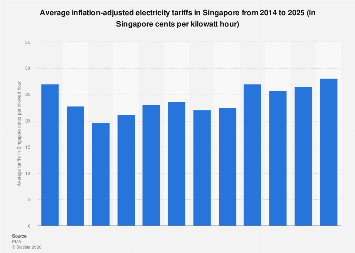
Here is a realistic estimate of average electricity consumption and monthly bills in Singapore for 2026:
| Housing Type | Monthly Usage | Estimated Monthly Bill |
|---|---|---|
| 2-Room HDB | 150–300 kWh | S$45–S$90 |
| 3-Room HDB | 300–450 kWh | S$90–S$145 |
| 4-Room HDB | 450–600 kWh | S$130–S$200 |
| 5-Room HDB | 550–750 kWh | S$165–S$250 |
| Condominium | 600–1,000 kWh | S$180–S$330 |
| Landed Property | 900–1,500+ kWh | S$280–S$500+ |
Air-conditioning remains the biggest contributor to household electricity consumption in Singapore’s tropical climate. Research and utility data suggest cooling systems can account for 30% to 40% of total household energy use. Homes running multiple air-conditioning units overnight tend to experience noticeably higher monthly bills.
Older refrigerators, storage water heaters, and dryers also contribute heavily to electricity usage. Families working from home may notice additional increases due to laptops, desktop PCs, routers, and longer cooling hours during the daytime.
Why Electricity Bills in Singapore Have Increased
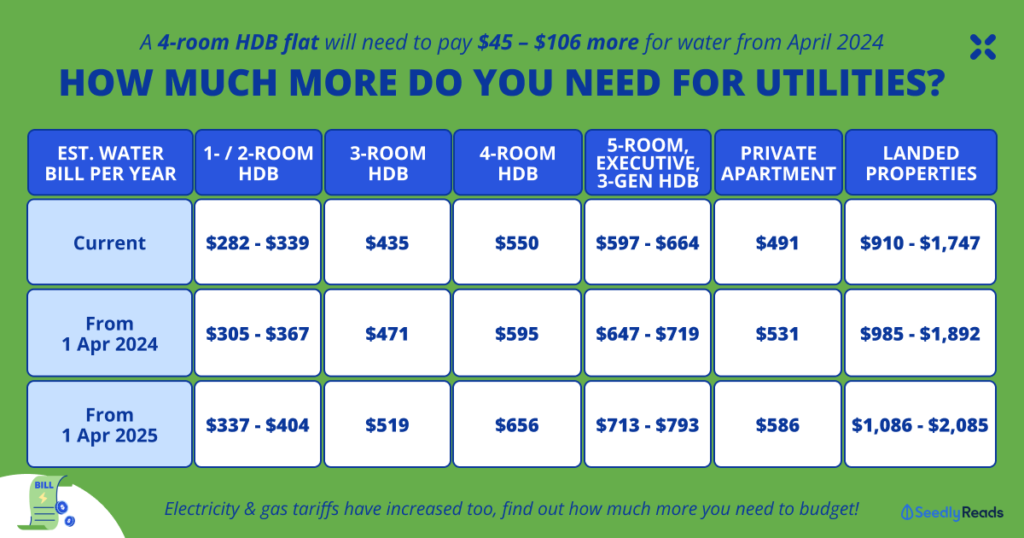
Singapore residents have experienced several rounds of electricity tariff increases over recent years. While tariffs occasionally decline during periods of lower fuel costs, long-term energy prices have generally trended upward.
Several major factors explain the increase:
Global Natural Gas Prices
Singapore generates most of its electricity using imported natural gas. Any geopolitical tension, supply disruption, or increase in international demand affects local energy prices quickly. Recent Middle East tensions and fuel market volatility pushed tariffs higher during 2026.
Carbon Tax Policies
Singapore’s climate goals include higher carbon taxes for major emitters. Power generation companies eventually pass some of these costs to consumers through electricity pricing. Analysts estimate that carbon tax adjustments could continue increasing household utility bills gradually through 2030.
Higher Cooling Demand
Singapore’s hotter climate patterns and rising temperatures have increased residential air-conditioning use. Longer cooling hours naturally result in higher energy consumption across households.
Energy Market Volatility
Electricity retailers operating under wholesale market conditions face unpredictable pricing swings. During periods of market stress, retailers may increase rates or withdraw promotional pricing.
Regulated Tariff vs Open Electricity Market Plans
One of the most common questions consumers ask is whether they should remain on the regulated tariff or switch to an electricity retailer.
The answer depends on risk tolerance, household usage patterns, and market timing.
Regulated Tariff
The regulated tariff is revised quarterly and reflects actual electricity production costs. It provides pricing transparency and predictable billing structures. Households that dislike monitoring market trends often prefer this option.
Benefits include:
- Simple billing
- No long-term contracts
- Stable administration
- Easy account management
Drawbacks include:
- Often more expensive than retailer plans
- Quarterly tariff increases can affect budgets
- Limited promotional savings
Retailer Fixed Plans
Electricity retailers offer fixed-price contracts ranging from 12 to 36 months. These plans can help households lock in lower electricity rates before market increases happen.
Benefits include:
- Potential cost savings
- Protection from tariff hikes
- Promotional cashback offers
- Predictable monthly rates
Drawbacks include:
- Early termination penalties
- Promotional rates may expire
- Less flexibility during falling market prices
Many Singapore households shifted toward retailer plans after noticing meaningful savings compared with regulated tariffs.
Hidden Factors That Increase Electricity Bills
Many consumers focus only on tariff rates while ignoring household behaviors that quietly increase monthly electricity costs.
Air-Conditioning Temperature Settings
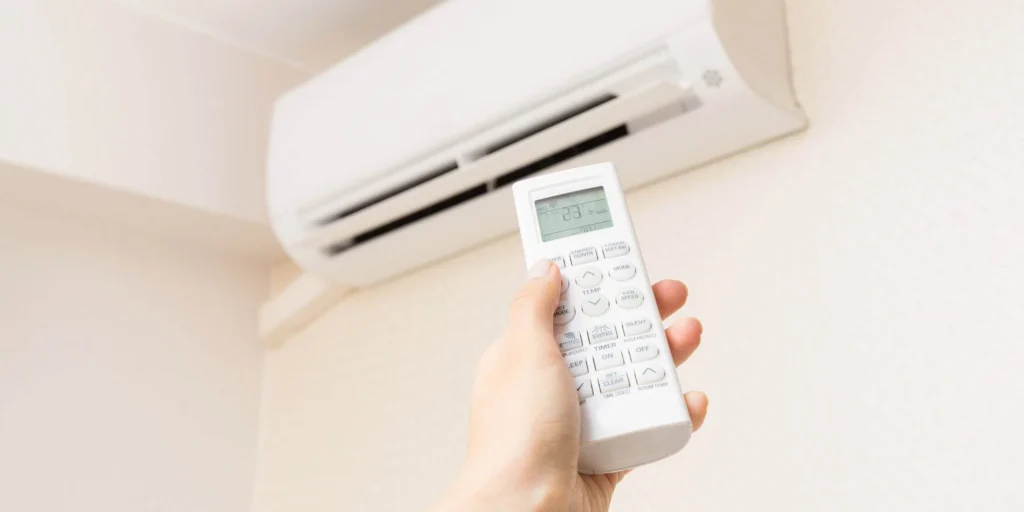
Setting the thermostat too low dramatically increases electricity usage. Running air-conditioning at 18°C consumes significantly more power than maintaining 24°C to 25°C.
Poor Aircon Maintenance
Dirty filters and neglected servicing reduce cooling efficiency. Units work harder and consume more electricity when airflow becomes restricted.
Old Appliances
Older refrigerators, washing machines, and televisions consume far more electricity than energy-efficient models.
Phantom Power Usage
Devices left on standby continue consuming electricity. Gaming consoles, chargers, smart TVs, and desktop monitors collectively contribute noticeable energy waste over time.
Water Heater Usage
Storage water heaters are among the most overlooked electricity drains in Singapore homes. Leaving them switched on continuously increases monthly consumption substantially.
Best Ways to Reduce Electricity Cost in Singapore
Reducing electricity bills does not require major lifestyle sacrifices. Small behavioral changes combined with smarter appliance choices can lower monthly costs noticeably.
Use Energy Efficient Appliances
Look for appliances with higher energy efficiency ratings. In Singapore, refrigerators and air-conditioners with strong efficiency labels often produce the biggest savings over time.
Raise Aircon Temperature Slightly
Increasing air-conditioning settings from 22°C to 25°C can reduce electricity consumption without sacrificing comfort.
Switch to LED Lighting
LED bulbs consume much less electricity and last significantly longer than traditional lighting.
Avoid Peak Heat Hours
Closing curtains and reducing direct sunlight exposure lowers indoor temperatures naturally and reduces cooling demand.
Wash Full Loads Only
Running washing machines and dryers only with full loads improves energy efficiency.
Compare Electricity Retailers Regularly
Electricity plans change frequently. Comparing rates every contract cycle can help households secure lower pricing.
Service Air-Conditioners Frequently
Professional servicing improves airflow efficiency and reduces energy wastage.
Singapore Electricity Cost for Renters and Expats
Renters in Singapore often underestimate electricity costs when budgeting for monthly living expenses. Utility bills are usually excluded from rental agreements unless specifically stated.
Shared apartments create another challenge because electricity usage differs between tenants. Air-conditioning preferences, gaming setups, and work-from-home arrangements can lead to disputes over shared utility bills.
Expats moving into condominiums frequently experience higher electricity bills due to larger living spaces and central cooling systems. Condos also tend to include more appliances, dryers, and water heaters compared with HDB flats.
Before signing a lease, tenants should ask:
- Is electricity included in rent?
- Which electricity provider is currently used?
- What was the average monthly utility bill previously?
- Are air-conditioners regularly serviced?
- Is the apartment energy efficient?
Understanding these details early helps avoid unexpected monthly costs.
Electricity Cost Comparison: Singapore vs Other Countries
Singapore’s electricity prices are relatively high compared with many Southeast Asian countries because of imported fuel dependence and infrastructure quality standards.
| Country | Average Residential Electricity Price |
|---|---|
| Singapore | High |
| Malaysia | Moderate |
| Thailand | Moderate |
| Indonesia | Lower |
| Vietnam | Lower |
| Japan | High |
| Australia | High |
Singapore’s electricity reliability and grid stability remain among the strongest globally, which partly explains higher infrastructure and operating costs.
Consumers benefit from:
- Very low outage rates
- Advanced grid management
- Transparent tariff structures
- Competitive retail market options
Future Outlook for Electricity Prices in Singapore
Energy analysts expect electricity costs in Singapore to remain sensitive to global fuel markets throughout the next decade.
Several long-term trends may shape future pricing:
Expansion of Renewable Energy
Singapore continues investing in solar energy projects and regional power imports. While renewable energy adoption may improve energy diversification, large-scale transitions take time.
Carbon Reduction Policies
Carbon taxes are expected to rise gradually through 2030, increasing operational costs for power generation companies.
Smarter Homes and Energy Monitoring
Smart meters and AI-driven home energy systems may help households optimize electricity usage more efficiently.
Regional Energy Integration
Singapore is exploring cross-border electricity imports from neighboring countries to strengthen supply diversification.
Consumers who prioritize energy-efficient appliances and smart electricity plans today will likely experience better long-term cost control.
Practical Example: Monthly Electricity Cost Breakdown
A typical 4-room HDB household with moderate air-conditioning use may experience electricity expenses like this:
| Appliance | Estimated Monthly Cost |
|---|---|
| Air-Conditioning | S$60–S$90 |
| Refrigerator | S$12–S$20 |
| Washing Machine | S$8–S$15 |
| Water Heater | S$10–S$18 |
| Television & Entertainment | S$8–S$20 |
| Lighting | S$5–S$12 |
| Miscellaneous Devices | S$10–S$25 |
Total estimated monthly bill: S$130–S$200 depending on tariff plans and household habits.
This breakdown highlights how cooling systems dominate residential electricity usage in Singapore.
Frequently Asked Questions
What is the average electricity bill in Singapore?
Most households in Singapore pay between S$80 and S$250 per month depending on property size, appliance usage, and air-conditioning habits. Larger landed homes may exceed S$500 monthly.
How much is electricity per kWh in Singapore?
Residential electricity tariffs in Singapore generally range between 27 and 33 cents per kWh in 2026 depending on the electricity provider and pricing plan.
Is electricity expensive in Singapore?
Electricity prices in Singapore are considered relatively high within Southeast Asia because the country imports natural gas and maintains advanced grid infrastructure.
Does using aircon increase electricity bills significantly?
Yes. Air-conditioning is typically the largest contributor to residential electricity costs in Singapore and may account for up to 40% of total household consumption.
Is it cheaper to use an electricity retailer?
In many cases, yes. Fixed-rate retailer plans can provide savings compared with regulated tariffs, especially during periods of rising fuel costs.
Why do electricity tariffs change every quarter?
Singapore’s electricity tariffs are reviewed quarterly because fuel costs fluctuate based on international natural gas prices.
Can smart appliances reduce electricity costs?
Yes. Energy-efficient refrigerators, air-conditioners, and smart home devices can lower electricity consumption over time.
You may also like
Leave a Reply