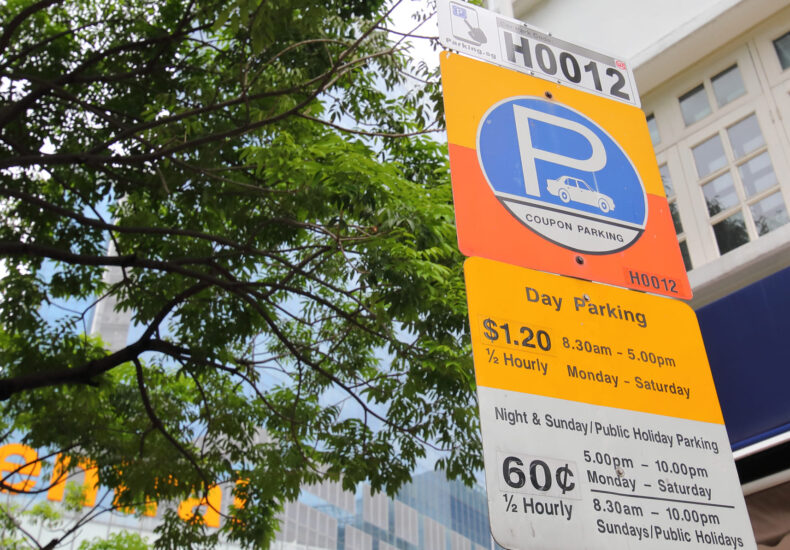
Parking Fees Singapore Guide: Real Costs, Hidden Charges & Smart Savings
Parking fees Singapore is not just a simple pay-and-go system. It is a layered structure shaped by land scarcity, urban planning policies, and demand-driven pricing. For drivers, this means parking fees can vary dramatically depending on where you are, what time you arrive, and even how long you stay.
From high-traffic districts like Orchard Road and Marina Bay to residential HDB estates and private condominiums, every parking zone follows its own logic. Understanding these differences is essential if you want to avoid unnecessary costs and plan daily travel efficiently.
This guide breaks down parking fees in Singapore in a practical way—covering real pricing patterns, hidden cost factors, and the decisions that actually affect how much you pay.
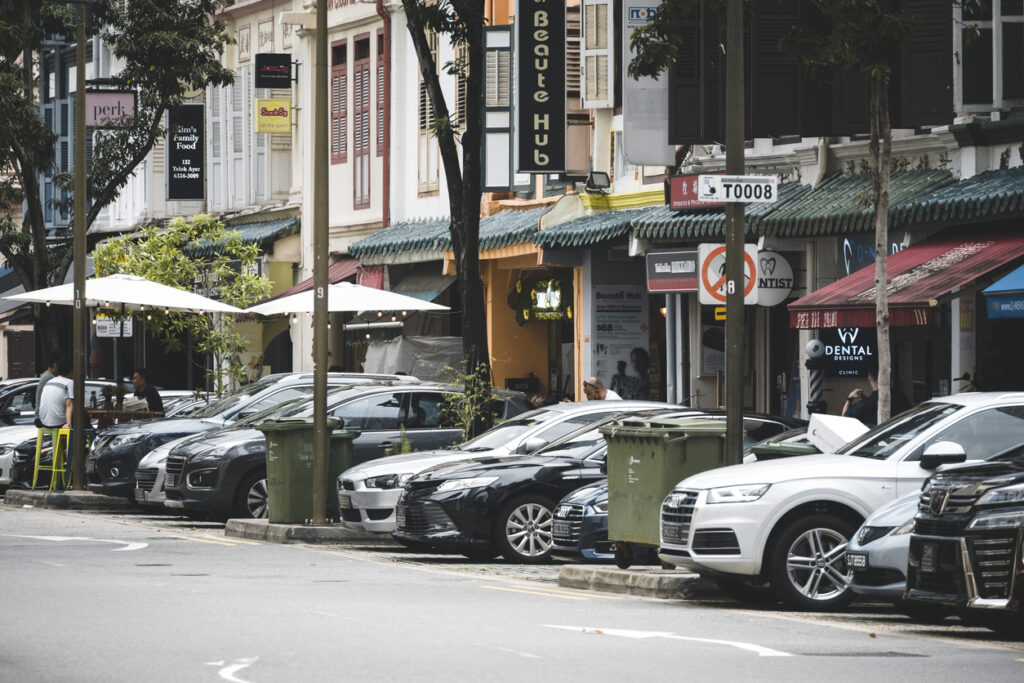
Understanding Parking Fees in Singapore (How the System Really Works)
Singapore’s parking system is designed around three main principles: demand control, land optimization, and traffic management. Because land is limited, parking is treated as a regulated resource rather than an open commodity.
Parking charges are influenced by:
- Location (CBD, suburban, residential)
- Time of day (peak vs off-peak)
- Vehicle type (car, motorcycle, commercial)
- Ownership type (HDB, private, government-managed)
- Duration of stay
Most public parking areas fall under systems managed or regulated by the government, particularly the Housing & Development Board and the Land Transport Authority.
Private developments, on the other hand, follow market-based pricing. This is why parking in Orchard Road or Marina Bay often feels significantly more expensive compared to suburban estates.
A key feature many drivers overlook is the “micro-pricing structure.” Instead of flat hourly rates, Singapore uses incremental billing—charging in 5, 10, or 30-minute blocks. This creates small cost differences that add up over time.
HDB Parking Fees in Singapore (Residential Cost Structure)
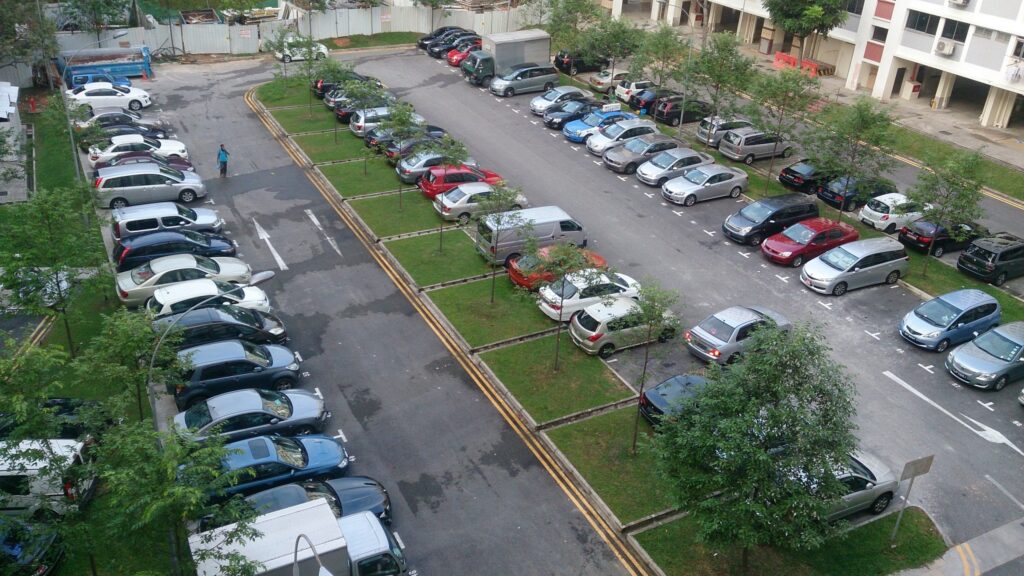
HDB parking is the most commonly used system in Singapore. It is designed for residents who need affordable long-term access near housing estates.
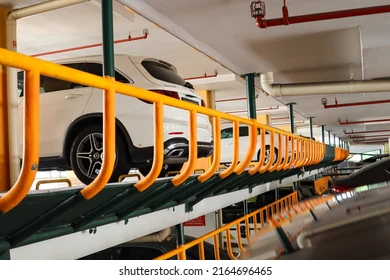
Most HDB car parks offer two types of parking:
1. Short-Term Parking
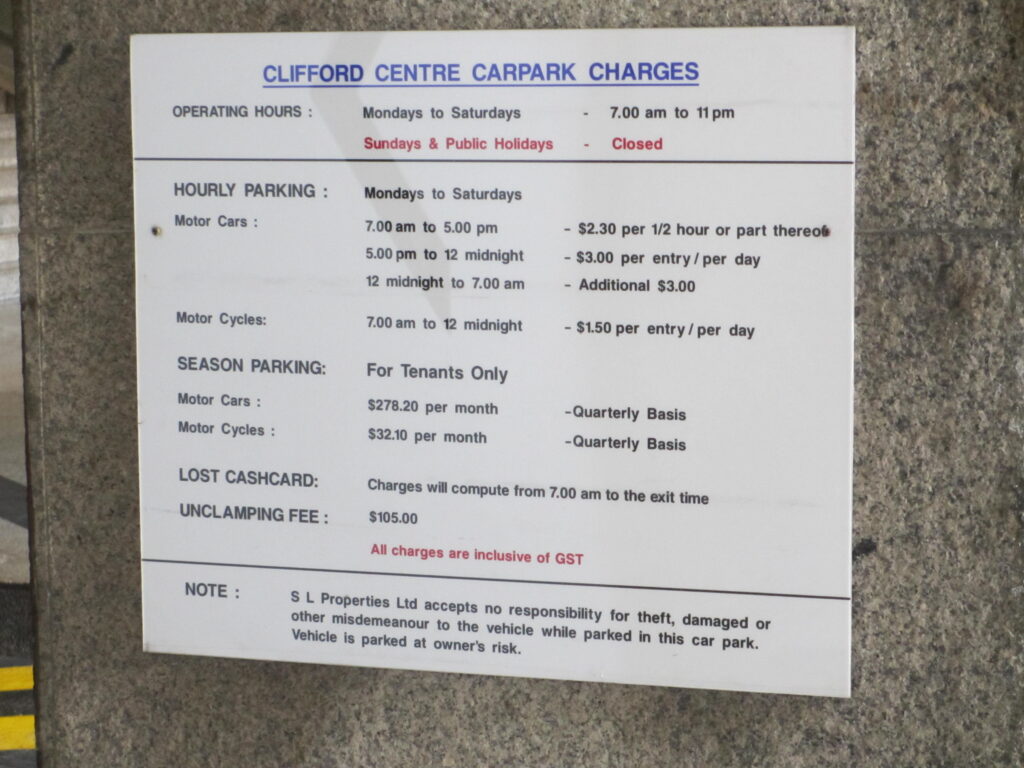
Short-term parking is charged in time blocks, usually 30 minutes. Rates are relatively stable across estates, though central regions may cost slightly more.
Typical structure:
- Lower-density estates: more affordable rates
- City-fringe estates: slightly higher charges
- High-demand estates near MRT stations: tighter availability
2. Season Parking
Season parking is a monthly subscription for residents who park regularly. It is widely used because it provides predictable costs.
Common characteristics:
- Fixed monthly fee
- Assigned or shared zone access
- Limited by vehicle registration
- Lower cost compared to daily short-term parking
Many households prefer season parking because it stabilizes monthly transport expenses, especially in dense estates where parking turnover is high.
HDB parking also uses digital enforcement systems, reducing the need for physical coupons. Drivers now rely heavily on automated entry systems and mobile payment integration.
CBD Parking Fees Singapore (Highest Cost Zone Explained)
The Central Business District is where parking costs peak. Areas like Raffles Place, Shenton Way, Marina Bay Financial Centre, and Tanjong Pagar are heavily commercialized and experience constant demand pressure.
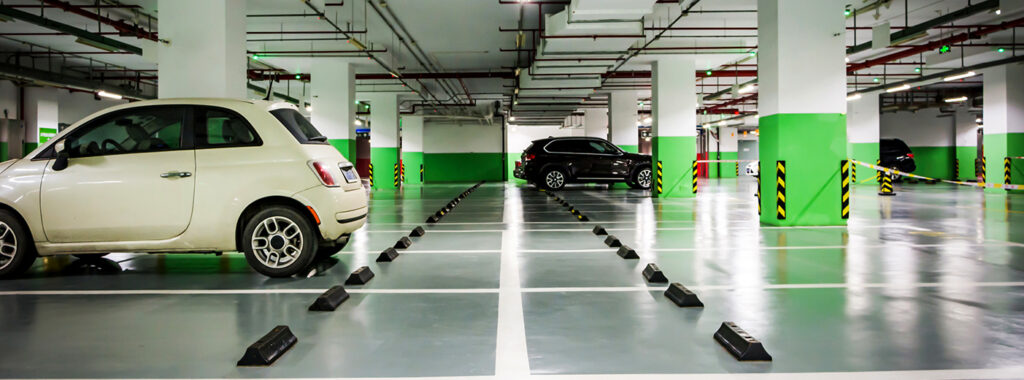
Parking in these zones is structured to discourage long-term occupancy.
Common CBD pricing pattern:
- First hour: high base rate
- Subsequent 15-minute blocks: incremental charges
- No guaranteed daily cap in many buildings
- Early-bird promotions in selected offices
Drivers working in the CBD often spend hundreds of dollars monthly on parking alone.
A major factor is dynamic pricing. Many buildings adjust rates based on occupancy levels, time of day, and event demand.
Example scenario:
A driver entering at 9:30 AM during peak hours may pay significantly more than someone entering at 7:30 AM under early-bird schemes.
This pricing model directly influences commuting behavior. Many professionals now park outside the CBD and use MRT connections to reduce costs.
Shopping Mall Parking Fees Singapore (What Really Affects Your Bill)
Mall parking in Singapore is one of the most varied systems. Unlike HDB or CBD parking, malls use customer-driven pricing strategies.
Key influencing factors:
- Shopper demand
- Location premium
- Retail promotions
- Weekend vs weekday traffic
Common mall parking patterns:
| Mall Type | Typical Rate Pattern |
|---|---|
| Orchard Road malls | High hourly rates + peak surcharges |
| Suburban malls | Lower base rates + free parking promos |
| Integrated developments | Mixed pricing with dynamic rates |
| Lifestyle malls | Discounted evening parking |
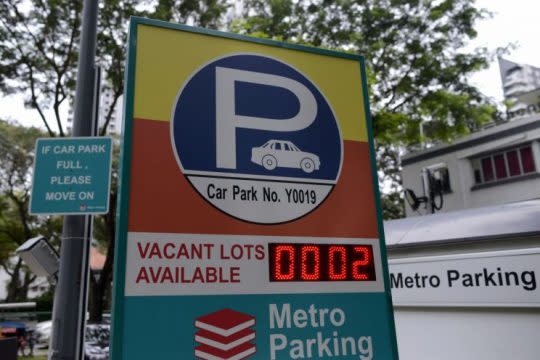
Most malls include a grace period, typically between 10 to 20 minutes. However, exceeding this window results in full billing cycles, which can quickly increase costs.
Many malls also offer free parking based on spending thresholds, encouraging retail consumption.
Private Condominium Parking Fees (Hidden Residential Costs)
Condominium parking is often overlooked when discussing parking fees in Singapore. Unlike HDB estates, private condos follow internal management rules set by developers and management corporations.
Parking structures typically include:
- Resident parking allocations
- Additional vehicle charges
- Visitor parking limitations
- Seasonal or monthly subscriptions
Luxury condos in areas like River Valley or Sentosa often include enhanced parking features such as valet services and EV charging stations.
A growing trend is EV-related charging fees. As electric vehicles increase, some condos introduce separate billing for charging duration or electricity usage.
ERP and Its Indirect Effect on Parking Costs
The Land Transport Authority also manages Electronic Road Pricing (ERP), which indirectly influences parking behavior.
When ERP charges increase in congested zones, drivers often adjust:
- Parking locations
- Travel timing
- Route planning
This creates a ripple effect. Parking demand shifts toward fringe areas, MRT-connected hubs, and suburban malls.
Drivers often combine ERP avoidance strategies with parking optimization, such as:
- Parking outside ERP zones
- Using park-and-ride systems
- Avoiding peak-hour CBD entry
ERP does not directly charge parking, but it heavily shapes where people choose to park.
Smart Parking Systems in Singapore
Singapore’s parking ecosystem is increasingly digital. Most modern car parks now use:
- Automated number plate recognition
- Mobile payment integration
- Real-time occupancy tracking
- Cashless entry systems
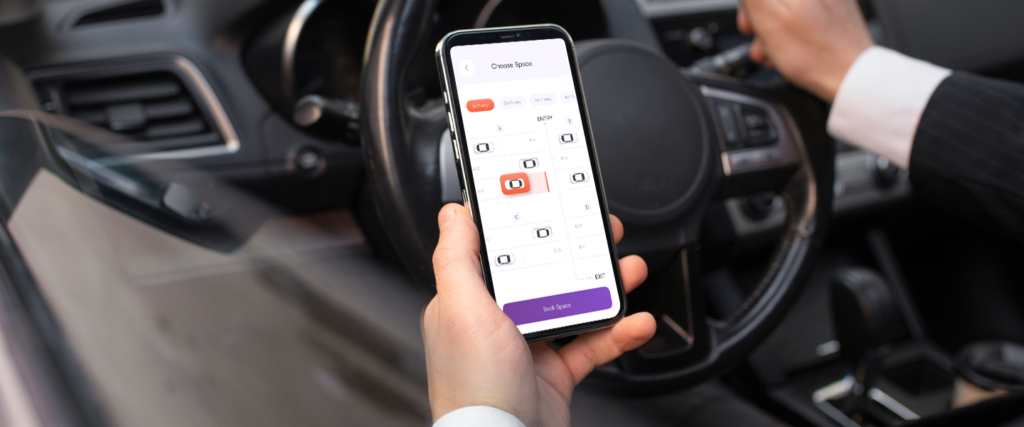
One widely used mobile tool is the Parking.sg, which allows drivers to start and stop parking sessions remotely.
Smart systems reduce human error, but they also increase transparency in pricing. Drivers can now compare costs before entering a car park.
Common features include:
- Session extensions via phone
- Digital receipts
- Parking reminders
- Location-based parking search
This shift has made parking more predictable but also more data-driven.
Parking Fee Comparison Across Singapore (Quick Overview)
| Location Type | Average Cost | Key Characteristics |
|---|---|---|
| HDB Estates | Low | Residential, stable pricing |
| Suburban Malls | Medium | Promotions available |
| CBD | High | Dynamic pricing, peak surcharges |
| Tourist Areas | High | Weekend spikes |
| Condos | Variable | Management-based pricing |
This comparison highlights how location remains the strongest factor influencing parking fees.
Real Cost Scenarios (How Drivers Actually Spend)
To understand parking fees practically, here are real-world scenarios:
Scenario 1: Daily CBD Worker
- Parking duration: 9 hours
- Estimated daily cost: high range
- Monthly impact: significant budget factor
Scenario 2: Weekend Shopper
- 3–4 hours parking
- Moderate mall rates
- Possible free parking with spending
Scenario 3: HDB Resident
- Monthly season parking
- Predictable fixed cost
- Low variability
These examples show that parking costs are not uniform—they depend heavily on behavior patterns.
Smart Ways to Reduce Parking Fees in Singapore
Reducing parking costs is less about avoiding driving and more about strategic timing and location awareness.
Practical methods:
- Use early-bird parking in CBD areas
- Park near MRT stations outside central zones
- Use mall promotions tied to spending
- Avoid peak-hour entry when possible
- Choose suburban malls over city-center malls
- Track grace periods carefully
Even small adjustments in timing can result in noticeable monthly savings.
Future of Parking Fees in Singapore
Parking in Singapore is evolving alongside smart city infrastructure. The next phase is expected to include:
- AI-based pricing models
- Real-time demand pricing
- Expansion of EV charging zones
- Integration with autonomous vehicles
- Greater reliance on mobility data
As vehicle ownership patterns shift, parking may become more flexible but also more dynamically priced.
Urban planning continues to prioritize public transport, meaning parking costs in high-density areas may remain elevated.
FAQ Section
What is the average parking fee in Singapore?
It ranges widely—from low-cost HDB parking to high CBD hourly rates depending on location and time.
Why is CBD parking so expensive?
Because of high demand, limited land availability, and dynamic pricing strategies.
Are there free parking areas in Singapore?
Some HDB estates and malls offer free parking during specific hours or promotions.
Is season parking worth it?
Yes, especially for residents who park daily in HDB estates.
How do parking apps help?
They allow cashless payments, real-time tracking, and parking session management.
Do malls in Singapore offer free parking?
Some do, usually tied to minimum spending requirements or promotional events.
What affects parking prices the most?
Location, demand, time of day, and type of property are the main factors.
You may also like
Leave a Reply