
Singapore Tech Startups: Inside Asia’s Fastest Growing Innovation Hub
Singapore has evolved into one of the most concentrated startup ecosystems in the world, especially within Southeast Asia. Its transformation didn’t happen by chance. Strong regulatory frameworks, political stability, global connectivity, and aggressive digital adoption have turned Singapore into a launchpad for founders targeting regional and global markets.
What makes the “Singapore tech startups” landscape especially interesting is its balance between corporate-backed innovation and scrappy early-stage founders. Companies like Grab, Sea Limited, and Razer all trace their growth back to this ecosystem, proving that Singapore is not just a funding hub but a real builder of global tech giants.
Searchers exploring this topic typically want more than a list of companies. They want to understand how the ecosystem works, why startups succeed here, how funding flows, and what opportunities exist today. This article breaks down the full ecosystem with a focus on real-world structure, investment pathways, and sector-level growth patterns shaping Singapore’s startup future.
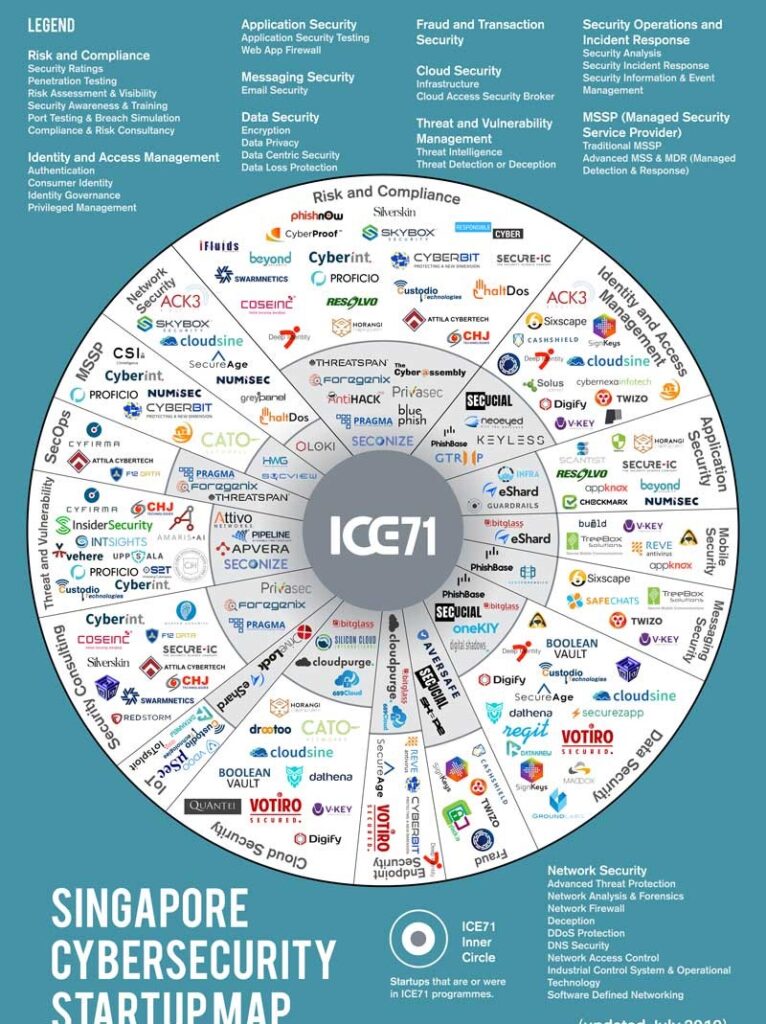
Singapore Tech Startup Ecosystem Overview
The Singapore startup ecosystem is structured, policy-driven, and globally connected. Unlike many emerging markets where startups grow in fragmented conditions, Singapore offers a tightly integrated system involving government agencies, venture capital firms, accelerators, and universities.
At the center of this structure is strong public-sector involvement. Organizations like Enterprise Singapore and SGInnovate actively fund deep-tech ventures, while research universities such as National University of Singapore feed talent and intellectual property into the ecosystem.
The startup landscape is broadly divided into three layers:
- Early-stage startups (seed and pre-seed innovation)
- Growth-stage startups scaling across Southeast Asia
- Unicorn-level companies expanding globally
Singapore also benefits from its position as a financial hub. Venture capital, private equity, and sovereign wealth capital—especially from Temasek Holdings—flow into startups at multiple stages. This structured capital pipeline reduces friction for founders and increases survival rates compared to many regional ecosystems.
Unicorn Builders: Key Singapore Tech Startups
Singapore has produced some of Southeast Asia’s most influential tech companies. These firms are not just successful locally—they dominate regional markets across mobility, fintech, gaming, and e-commerce.
Grab: Super App Dominance
Grab started as a ride-hailing platform but expanded into food delivery, financial services, and logistics. It represents the “super app” model that is widely studied across emerging markets.
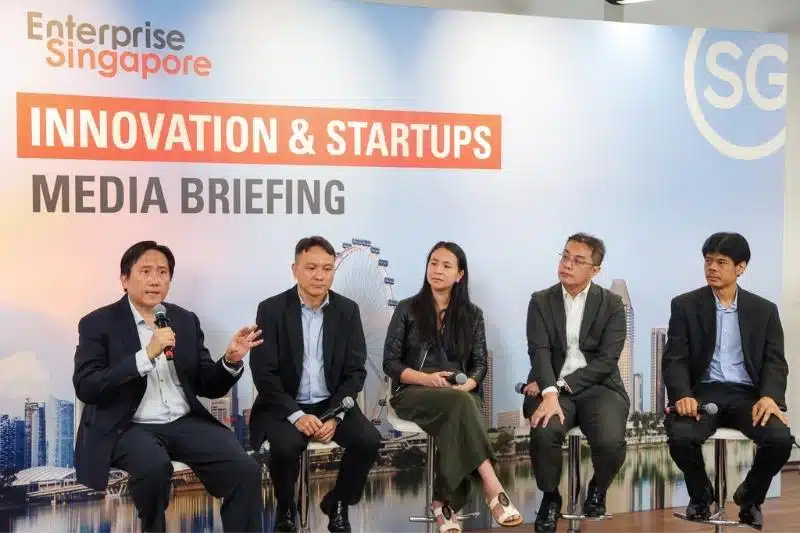
Sea Limited: Digital Entertainment & Commerce
Sea Limited operates Shopee and Garena, blending e-commerce and gaming into a high-growth ecosystem. Its expansion shows how Singapore startups can scale beyond regional boundaries.
Razer: Gaming Hardware Powerhouse
Razer emerged as a global gaming lifestyle brand, proving that Singapore can also produce hardware-focused tech companies, not just software platforms.
These companies share common traits:
- Regional-first expansion strategy
- Strong digital infrastructure foundation
- Heavy reliance on Southeast Asian consumer markets
- Early access to institutional capital
Together, they form the backbone of Singapore’s startup credibility on the global stage.
Government Support and Startup Funding Ecosystem
One of the defining characteristics of Singapore’s startup environment is its strong government-backed support system. Unlike loosely regulated ecosystems, Singapore actively designs policies to attract founders and investors.
Key institutions include:
- Enterprise Singapore – grants, market expansion support
- SGInnovate – deep-tech investments and talent programs
- Economic Development Board – foreign investment attraction
Funding programs are designed to reduce early-stage risk. Startups often receive:
- Proof-of-concept grants
- Co-investment schemes
- R&D subsidies
- Market entry support into ASEAN
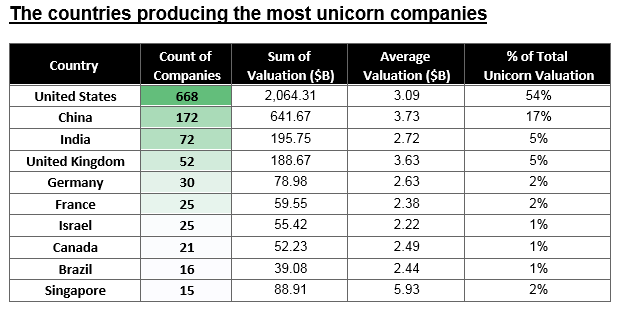
This structure creates a lower failure barrier for technical founders working in AI, biotech, fintech, and robotics. The result is a startup pipeline that favors innovation over pure market speculation.
Why Singapore Attracts Global Founders
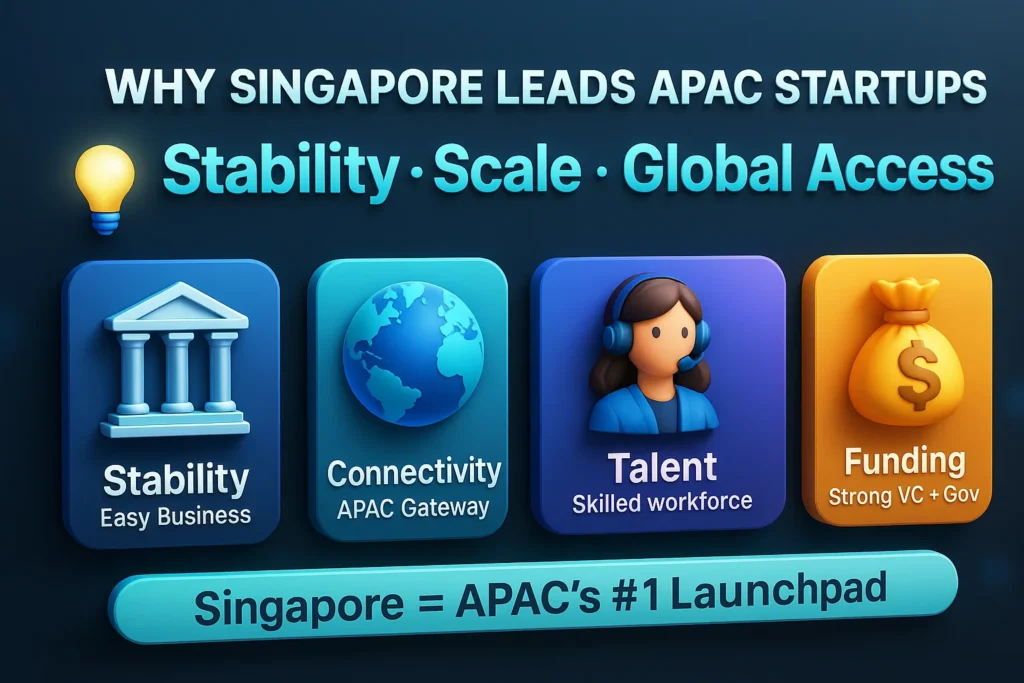
Singapore consistently ranks among the top startup destinations due to several structural advantages that directly affect business outcomes.
Key advantages include:
- Strong intellectual property protection laws
- Ease of doing business and company incorporation
- Access to ASEAN’s 600+ million population market
- English-based business environment
- Stable banking and financial systems
- High-quality digital infrastructure
Another important factor is global capital access. Venture firms like Sequoia Capital, Vertex Ventures, and regional funds actively maintain offices in Singapore, making it a natural fundraising hub for startups targeting Asia.
Unlike many ecosystems that struggle with regulatory uncertainty, Singapore offers predictable policy frameworks. This predictability reduces operational risk, which is a major factor for both founders and investors when choosing where to build.
Venture Capital Landscape in Singapore Tech Startups
The venture capital environment in Singapore is deeply integrated with global capital flows. Unlike isolated startup ecosystems, Singapore acts as a bridge between Western investors and Asian markets.
Major capital sources include:
- Sovereign wealth funds like Temasek Holdings
- Corporate venture arms (banks, telecom, and tech firms)
- Global VC firms with regional headquarters
- Government co-investment schemes
Funding Stage Distribution
| Stage | Typical Investors | Focus Areas |
|---|---|---|
| Seed | Angel investors, SGInnovate | MVP, deep tech validation |
| Series A–B | Regional VCs, corporate funds | Market expansion |
| Growth | Global VCs, sovereign funds | Regional scaling |
This structured funding pipeline ensures startups rarely face “dead zones” between funding stages, which is a common issue in less mature ecosystems.
Emerging Tech Sectors Driving Singapore Startups
Singapore’s startup growth is increasingly concentrated in high-value, innovation-heavy sectors rather than traditional consumer apps.
Key sectors include:
Artificial Intelligence & Data Infrastructure
AI startups are heavily supported through government grants and research partnerships with universities.
Fintech and Digital Banking
Singapore is one of Asia’s leading fintech hubs, with strong regulatory frameworks supporting digital banks and payment platforms.
Climate Tech and Sustainability
Driven by national sustainability goals, startups in carbon tracking, energy optimization, and green logistics are expanding rapidly.
Biomedical and Deep Tech Innovation
Research institutions and SGInnovate-backed ventures are pushing biotech and robotics innovation.
These sectors reflect Singapore’s shift from a regional startup hub to a deep-tech innovation center.
Challenges in the Singapore Startup Ecosystem
Despite its strengths, Singapore’s startup environment is not without constraints. One of the main challenges is high operational cost. Office space, talent acquisition, and salaries are significantly higher compared to neighboring countries like Vietnam or Indonesia.
Another challenge is market size limitation. While Singapore is a strong base, startups often need to expand quickly into ASEAN markets to scale revenue. This increases execution complexity early in the lifecycle.
Talent competition is also intense. Global companies and regional unicorns compete for the same engineering and product talent pool, making hiring expensive and competitive.
These constraints push startups toward regional expansion earlier than in other ecosystems.
Future Outlook of Singapore Tech Startups
The future of Singapore’s startup ecosystem is increasingly tied to deep-tech innovation and regional platform dominance. The next wave of growth is expected to come from AI infrastructure, climate technology, and financial technology integration across ASEAN markets.
Singapore’s ability to combine policy support, global capital access, and strong institutional research makes it uniquely positioned for high-impact innovation. As Southeast Asia’s digital economy expands, Singapore will likely remain the primary headquarters for startups scaling across the region.
FAQ: Singapore Tech Startups
What are the biggest startups in Singapore?
Major companies include Grab, Sea Limited, and Razer.
Is Singapore good for tech founders?
Yes, especially for fintech, AI, and deep-tech startups due to strong government and VC support.
How is startup funding in Singapore?
Funding is strong across all stages, supported by VCs, sovereign wealth funds, and government co-investment programs.
What industries dominate Singapore startups?
Fintech, AI, climate tech, biotech, and e-commerce are the leading sectors.
You may also like


Leave a Reply