
Singapore Entrepreneurship Guide: 9 Powerful Success Tips
Starting a business sounds exciting… until you actually sit down and try to figure everything out. The paperwork, legal structure, taxes, licenses, banking, hiring — it can feel like a maze. And if you’re planning to launch in Singapore, you probably already know the country has one of the strongest startup ecosystems in Asia. But still, many people struggle because they don’t know where to begin.
That’s exactly why this singapore entrepreneurship guide exists.
Singapore has become a magnet for entrepreneurs, digital founders, ecommerce startups, tech innovators, consultants, and international investors. The country offers low corporate taxes, strong banking systems, government grants, business-friendly laws, and fast company registration. But success doesn’t happen automatically. You still need a smart roadmap.
Some people jump into business registration without understanding compliance. Others spend too much money too early. And many foreign entrepreneurs assume the process is complicated when, honestly, it’s often easier than expected if you follow the right steps.

This guide breaks everything down in simple language. No confusing jargon. No robotic explanations. Just practical advice you can actually use.
Whether you want to launch a tech startup, online store, consulting agency, restaurant, SaaS company, or freelance business, this singapore entrepreneurship guide will help you understand how the system works, what costs to expect, and how to avoid common mistakes that hurt new businesses.
And yes… Singapore really can be one of the best places in the world to build a business if you approach it correctly.
What Is a Singapore Entrepreneurship Guide?
A singapore entrepreneurship guide is basically a roadmap that helps entrepreneurs understand how to legally start, operate, and grow a business in Singapore. It covers everything from business registration and startup costs to taxation, banking, hiring, and scaling strategies.
And honestly, that guidance matters more than people think.
Singapore is incredibly business-friendly, but there are still rules and systems you need to follow. You’ll need to decide on a company structure, register your business name, maintain accounting records, understand tax obligations, and sometimes apply for licenses depending on your industry. Missing even one step can create delays or unexpected costs later.
Most new founders choose between a sole proprietorship, partnership, or private limited company. In many cases, a private limited company is preferred because it offers limited liability protection and stronger credibility with investors and banks. That’s why you’ll often hear startup advisors recommending it for serious entrepreneurs.
Another important part of this singapore entrepreneurship guide is understanding the local startup ecosystem. Singapore isn’t just a place to register a company. It’s a major innovation hub. There are startup accelerators, networking communities, coworking spaces, investor events, government support programs, and mentorship opportunities almost everywhere.
And the environment supports international founders too.
Foreign entrepreneurs can register companies in Singapore and even apply for entrepreneur visa programs under certain conditions. That flexibility is one reason global startups continue moving operations there.
The country also ranks highly for ease of doing business. Company registration can often be completed quickly, banking systems are modern, and digital infrastructure is excellent. For online businesses, ecommerce brands, fintech startups, AI companies, consultants, and remote-first agencies, Singapore creates a very efficient operating environment.
But a guide like this isn’t only about setup. It’s also about strategy.
A lot of businesses fail not because the idea was bad, but because founders lacked planning. They underestimated costs, ignored compliance, skipped market research, or scaled too aggressively. A solid singapore entrepreneurship guide helps entrepreneurs avoid those traps before they become expensive problems.

So if you’re serious about launching a startup, freelancing professionally, building a digital business, or expanding internationally, understanding the Singapore business ecosystem can give you a huge advantage.
Why Singapore Is a Global Startup Hub
There’s a reason entrepreneurs from around the world keep choosing Singapore. Actually… there are several reasons.
First, Singapore offers political and economic stability. That may sound boring, but for business owners, stability matters. Investors feel safer. Banks operate reliably. Regulations are clear. Contracts are respected. Those things reduce risk — and businesses love lower risk.
Another major reason is taxation.
Singapore has relatively low corporate tax rates compared to many countries. Startups can also access tax exemptions and incentives during their early years. For founders trying to preserve cash flow, that’s a big deal. Every dollar saved in taxes can go back into marketing, hiring, product development, or operations.
The startup ecosystem itself is also incredibly strong. You’ll find accelerators, venture capital firms, angel investors, networking groups, startup incubators, and innovation hubs spread across the country. That creates opportunities for partnerships and funding that many smaller markets simply can’t offer.
And then there’s location.
Singapore sits in the heart of Asia, making it an ideal launchpad for businesses targeting regional markets like Indonesia, Malaysia, Thailand, Vietnam, and the Philippines. Many companies use Singapore as their headquarters while expanding into neighboring countries.
Technology infrastructure is another advantage. Internet speeds are fast, digital adoption is high, and online business operations are smooth. If you’re launching an ecommerce store, SaaS platform, consulting business, digital agency, or fintech startup, Singapore gives you the infrastructure needed to grow efficiently.
Government support also deserves attention.
The Singapore government actively encourages entrepreneurship through startup grants, innovation programs, funding initiatives, and business mentorship schemes. There are programs specifically designed for tech startups, sustainability businesses, and innovation-driven founders.
One thing people often underestimate is trust.
A Singapore-registered company can instantly improve business credibility. International clients, suppliers, and investors often feel more comfortable working with companies based in Singapore because of the country’s reputation for professionalism and regulatory transparency.
And let’s be honest… perception matters in business.
That said, Singapore isn’t perfect for every entrepreneur. Operating costs can be higher than some neighboring countries. Office rent, salaries, and living expenses may feel expensive if you’re bootstrapping aggressively. But many founders still accept those costs because the business advantages outweigh them over time.
For entrepreneurs looking for long-term scalability, legal stability, and international credibility, Singapore continues to stand out as one of the best startup destinations globally.
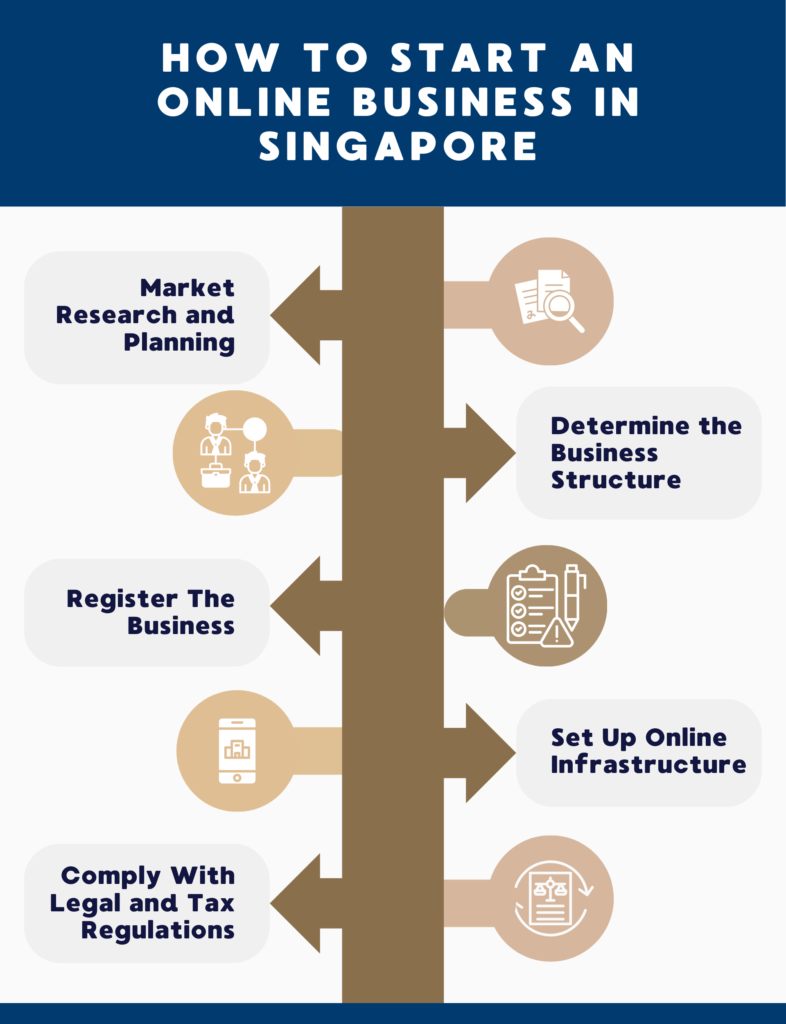
Types of Businesses You Can Start in Singapore
One of the best things about Singapore is flexibility. You’re not limited to one industry or business model. The country supports everything from solo freelancers to venture-backed startups.
Digital businesses are especially popular right now.
Many entrepreneurs launch ecommerce brands, dropshipping stores, online coaching businesses, digital marketing agencies, software companies, and subscription platforms. Since Singapore has strong digital infrastructure, these businesses can operate smoothly without massive upfront investments.
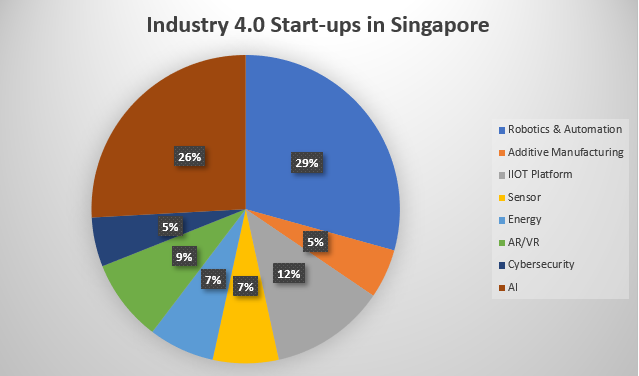
Tech startups are another huge category. AI companies, fintech startups, SaaS products, blockchain projects, cybersecurity firms, and app-based businesses continue growing rapidly within Singapore’s innovation ecosystem. Investors actively search for scalable technology businesses, which creates opportunities for ambitious founders.
Food and beverage businesses also perform well, though competition is intense. Cafes, cloud kitchens, specialty restaurants, and beverage brands often target both locals and tourists. But startup costs can rise quickly in this sector because of rent, staffing, licensing, and operational requirements.
Consulting businesses remain one of the easiest entry points for new entrepreneurs. If you have skills in finance, marketing, HR, branding, legal advisory, business development, or technology, you can often start lean and scale gradually. Many consultants begin remotely before expanding into agencies.
Import-export businesses are another interesting option because Singapore functions as a major international trade hub. Entrepreneurs involved in logistics, wholesale trading, sourcing, and distribution often use Singapore as a strategic base for regional operations.
Franchise businesses are also growing. Some entrepreneurs prefer buying proven systems instead of building brands from scratch. While franchise investments can require higher capital, they may reduce certain operational risks.
For foreign founders, online businesses and service-based companies are often the simplest starting points. They usually involve lower compliance complexity and smaller startup costs compared to highly regulated industries.
Choosing the right structure matters too.
Sole proprietorships are simpler but provide less liability protection. Partnerships work for multiple founders, though responsibilities and liabilities should be clearly defined. Private limited companies remain the most common structure for startups aiming for growth, funding, or scalability.
This singapore entrepreneurship guide recommends thinking carefully about long-term goals before registering your company. Don’t choose a structure just because it seems cheaper upfront. A slightly more advanced setup today can save major complications later.
And one more thing…
Don’t chase trends blindly. Just because everyone talks about AI startups or ecommerce doesn’t mean it’s right for you. The best businesses usually combine market demand with the founder’s actual strengths and interests.
Step-by-Step Singapore Startup Registration Process
Starting a company in Singapore is surprisingly efficient when you understand the process. Still, many founders get overwhelmed because they try to figure everything out at once.
Here’s a simplified breakdown.
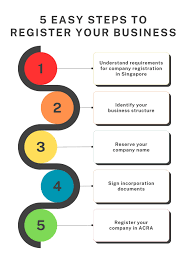
The first step is choosing your business structure. Most entrepreneurs select a private limited company because it offers liability protection and stronger credibility. Once you decide that, you’ll need a company name.
Your business name must be approved before registration. Usually, names are rejected only if they’re offensive, already taken, or too similar to existing companies.
After name approval, you’ll prepare company details including shareholder information, director details, business activities, and registered office address. Singapore requires at least one local resident director for private limited companies, which is something foreign entrepreneurs should understand early.
Next comes incorporation.
The registration process itself is often fast when documentation is complete. Many entrepreneurs work with incorporation service providers because they simplify paperwork, compliance, and filing requirements.
After incorporation, you’ll usually need:
- A corporate bank account
- Accounting systems
- Business licenses if applicable
- Tax registration setup
- Employment documentation if hiring staff
Some industries require additional approvals. Financial services, education, food businesses, healthcare, and import-export operations may involve industry-specific licenses.
Opening a business bank account can take time depending on the bank and business activity. Banks may request business plans, proof of operations, identity verification, and source-of-funds documentation.
Then comes compliance.
Singapore companies must maintain accounting records, file annual returns, and comply with tax obligations. This sounds intimidating, but most startups use accountants or accounting software to stay organized.
And honestly, that’s smart.
Trying to handle every compliance task manually while building a startup often leads to mistakes. Outsourcing accounting early can save stress later.
This singapore entrepreneurship guide strongly recommends planning your setup budget before registration begins. Many founders underestimate post-incorporation expenses like software subscriptions, legal contracts, payroll systems, insurance, and marketing.
Business registration is only the beginning. The real challenge is building sustainable operations after launch.
Costs of Starting a Business in Singapore
One of the most searched questions online is simple: “How much does it cost to start a business in Singapore?”
The answer depends heavily on your business type.
A lean online consulting business may start with relatively low costs. A restaurant or retail business could require significantly higher investment. But there are common expenses almost every startup should expect.
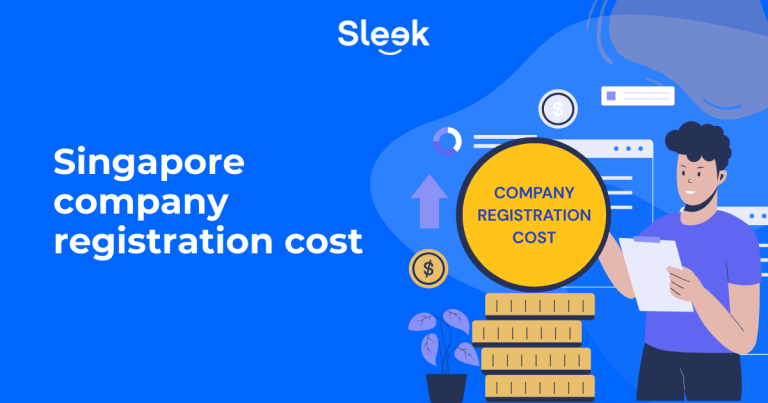
First, there are company registration fees and incorporation service costs. These are usually manageable compared to many global business hubs.
Then you have banking, accounting, software, legal documentation, branding, domain registration, website development, and possible licensing costs.
Office rent can become expensive quickly, especially in prime locations. That’s why many startups begin remotely or use coworking spaces instead of committing to long-term office leases immediately.
Marketing costs are another major factor.
Even great businesses struggle if nobody knows they exist. Entrepreneurs should budget for SEO, social media, paid advertising, content marketing, email tools, and branding activities from the beginning.
Hiring employees also changes the financial equation dramatically. Salaries in Singapore can be relatively high depending on industry and expertise level. Many startups initially rely on freelancers or small remote teams to reduce operational pressure.
Technology businesses often spend heavily on product development, app creation, cloud infrastructure, cybersecurity, and software engineering resources. Ecommerce businesses may require inventory investments, warehousing, and logistics management.
The good news?
Singapore offers startup grants and funding support for eligible businesses. Some programs help offset innovation costs, international expansion, productivity improvements, or technology adoption.
Still, entrepreneurs should avoid unrealistic budgeting.
Too many founders assume they’ll become profitable instantly. In reality, most businesses need time to build customers, optimize operations, and generate stable revenue. Having financial runway matters.
This singapore entrepreneurship guide recommends creating at least a 12-month financial projection before launching. Include fixed costs, variable expenses, marketing budgets, taxes, emergency reserves, and realistic revenue expectations.
And keep personal finances separate from business finances from day one. That small habit prevents huge accounting headaches later.
Business Banking, Taxes, and Compliance
Banking and taxes may not sound exciting… but they can absolutely determine whether your business runs smoothly or becomes a stressful mess.
Singapore’s banking system is one of the strongest globally. Businesses usually have access to multi-currency accounts, international payment systems, digital banking tools, and strong financial infrastructure. This is especially useful for online businesses serving international customers.
Opening a corporate bank account typically requires incorporation documents, identity verification, business descriptions, and proof of operations. Some industries may face additional scrutiny due to compliance regulations.
Taxes are another reason entrepreneurs love Singapore.
Corporate tax rates remain competitive, and startups may qualify for tax exemptions during early operational years. Singapore also avoids capital gains tax in many situations, which can benefit investors and founders significantly.
But compliance still matters.
You’ll need accurate bookkeeping, financial statements, annual filings, and tax submissions. Missing deadlines or filing inaccurate information can create penalties and unnecessary complications.
Goods and Services Tax registration may also apply depending on revenue thresholds and business activities.
This singapore entrepreneurship guide recommends using cloud accounting software from the start. Even if your business is small, organized financial tracking helps with forecasting, tax preparation, investor discussions, and operational clarity.
And don’t ignore contracts.
Entrepreneurs often focus heavily on branding and marketing while neglecting legal agreements. Client contracts, employee agreements, partnership terms, and intellectual property protection should be handled professionally.
One disagreement without proper documentation can become expensive very quickly.
Startup Funding Options and Grants
Funding can accelerate growth — but not every startup needs investors immediately.
Some entrepreneurs bootstrap successfully using personal savings and early customer revenue. Others pursue grants, venture capital, angel investment, or startup accelerators.
Singapore offers multiple funding opportunities for eligible startups, especially in technology and innovation sectors. Government-backed grants often support product development, digital transformation, international expansion, and research initiatives.
Startup accelerators also play an important role. These programs provide mentorship, networking opportunities, investor access, and operational guidance. For first-time founders, accelerators can shorten the learning curve dramatically.
Angel investors are common within Singapore’s startup ecosystem too. Many experienced entrepreneurs actively invest in promising early-stage businesses.
But funding isn’t free money.
Investors usually expect equity, growth potential, scalability, and long-term returns. Founders should carefully evaluate whether external funding aligns with their business goals.
Sometimes staying lean and independent actually creates healthier businesses.
This singapore entrepreneurship guide recommends focusing on product-market fit before aggressively chasing investors. A startup with real customer traction becomes far more attractive than a business with only ideas and pitch decks.
Revenue solves many problems.
Singapore vs Other Startup Destinations
Entrepreneurs often compare Singapore with places like Dubai, Hong Kong, the United States, or the United Kingdom.
Each location has strengths.
Dubai offers tax advantages and strong Middle Eastern market access. Hong Kong has financial connections. The United States provides massive investor networks and consumer markets.
But Singapore combines several advantages unusually well.
It offers political stability, international credibility, strong legal systems, efficient infrastructure, startup-friendly policies, and strategic Asian market access simultaneously.
That balance matters.
For founders targeting Southeast Asia, Singapore often becomes the preferred operational base because of its business efficiency and global reputation.
Still, entrepreneurs should consider industry fit, operational costs, target customers, and long-term expansion plans before deciding where to incorporate.
No location is perfect for everyone.
Expert Strategies for Long-Term Growth
Building a startup is one thing. Sustaining growth is something completely different.
One of the smartest strategies is focusing on systems early. Many startups grow chaotically because founders handle everything manually. Automating operations, documenting processes, and organizing workflows creates scalability.
Networking also matters more than people admit.
Singapore’s startup community is highly connected. Attending founder meetups, industry conferences, and networking events can lead to partnerships, investors, clients, and mentorship opportunities.
Another important strategy is localization.
Businesses entering Singapore shouldn’t assume global marketing automatically works locally. Understanding customer behavior, pricing expectations, and regional culture improves conversion rates significantly.
Content marketing is another long-term advantage. SEO-focused blogs, educational videos, newsletters, and authority-building content help startups generate organic traffic consistently over time.
And customer experience matters a lot.
In competitive markets, businesses that respond quickly, communicate clearly, and deliver reliable service often outperform competitors with larger budgets.
This singapore entrepreneurship guide also recommends maintaining financial discipline even during growth phases. Some startups scale too fast, hire excessively, or overspend on branding before establishing stable revenue.
Growth without profitability can become dangerous.
Common Mistakes Entrepreneurs Make
A lot of startup mistakes are surprisingly predictable.
The first major mistake is skipping market validation. Founders sometimes build products nobody actually wants. Before investing heavily, test demand through surveys, landing pages, pre-orders, or small pilot launches.
Another common issue is poor financial management. Entrepreneurs underestimate operating expenses, ignore cash flow tracking, or rely too heavily on optimistic revenue projections.
And then there’s compliance negligence.
Some founders delay accounting, ignore tax deadlines, or misunderstand licensing obligations. Small compliance mistakes can eventually create major legal and financial complications.

Hiring too quickly is another trap.
Early-stage startups don’t always need large teams immediately. Lean operations often provide greater flexibility and lower financial pressure during uncertain growth stages.
Many entrepreneurs also try copying competitors instead of developing clear positioning. Standing out matters. Businesses need unique value propositions instead of becoming generic alternatives.
This singapore entrepreneurship guide encourages founders to stay adaptable. Markets change. Consumer behavior changes. Technology changes. Businesses that evolve usually survive longer than businesses stuck in rigid strategies.
Frequently Asked Questions
Is Singapore good for foreign entrepreneurs?
Yes. Singapore is considered one of the best countries for foreign founders because of its business-friendly regulations, strong banking system, and startup ecosystem.
How long does company registration take in Singapore?
In many cases, registration can be completed relatively quickly if all documents are prepared properly and approvals are straightforward.
What is the best business structure for startups?
Private limited companies are commonly preferred because they provide liability protection and stronger investor credibility.
Do startups pay taxes in Singapore?
Yes, but Singapore offers competitive tax rates and startup tax incentives that can reduce financial pressure during early growth stages.
Can I start an online business in Singapore?
Absolutely. Ecommerce stores, digital agencies, SaaS startups, consulting businesses, and remote service companies are increasingly common.
Do I need a local director?
Private limited companies generally require at least one local resident director, which foreign entrepreneurs should plan for during incorporation.
What industries are growing fastest in Singapore?
Technology, fintech, AI, ecommerce, sustainability, digital services, cybersecurity, and health-related sectors continue showing strong growth.
Final Thoughts
Building a business isn’t easy. Some days feel exciting. Other days feel overwhelming. That’s normal.
But if you’re looking for a country that supports innovation, entrepreneurship, digital growth, and international expansion, Singapore remains one of the strongest options available today.
This singapore entrepreneurship guide covered the essentials — business structures, startup costs, banking, taxes, funding, growth strategies, and common mistakes. And while no guide can guarantee success, understanding the system gives you a much stronger starting point.
The entrepreneurs who succeed in Singapore usually share a few habits. They plan carefully. They stay financially disciplined. They build strong networks. And they adapt quickly when markets shift.
You don’t need a perfect idea before starting.
You need clarity, execution, consistency, and willingness to learn as you grow.
If you’re serious about launching your startup, now is a good time to start researching your niche, validating your business idea, and building a practical roadmap. And if you need professional support for company registration, branding, SEO, digital growth, or startup strategy, don’t hesitate to explore expert services that can simplify the process.
You may also like


Leave a Reply